Michigan Politics in 2026: What to Expect
As we step into the new year, the political landscape in Michigan is gearing up for significant changes and challenges. Here are the top five political stories to keep an eye on in 2026:
1. 2026 Elections
The upcoming elections in Michigan are poised to be a defining moment for the state, with key positions up for grabs. From the gubernatorial and U.S. Senate races to the state House and Senate, as well as all U.S. House seats, Michigan voters will play a crucial role in shaping the future of their state and country. With open races for attorney general and secretary of state, 2026 is set to be an eventful year on the political front.
2. Con-Con Decision
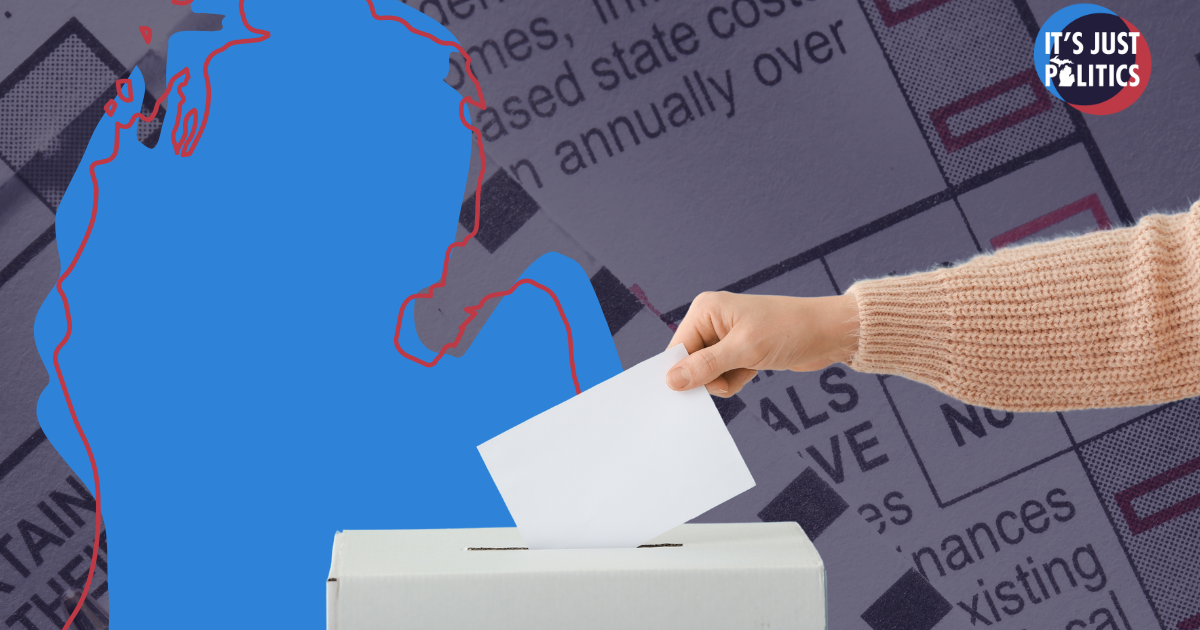
In addition to the elections, Michigan voters will also decide whether to convene a constitutional convention to rewrite the state constitution. This once-in-a-decade opportunity raises questions about potential changes to existing amendments and the impact on Michigan’s governance structure.
3. Governor Whitmer’s Future
Governor Gretchen Whitmer’s next steps are under scrutiny, with speculations about her potential presidential run in 2028. As she navigates her final year in office, Governor Whitmer faces the challenge of solidifying her legacy through key initiatives like infrastructure improvements and educational reforms.
4. Economic Outlook
The state’s economy remains a focal point, with projections indicating a sluggish growth trajectory in 2026. Despite challenges, experts anticipate a rebound in 2027 as new economic strategies take effect under a new administration.
5. Legal Battles
Legal disputes, including challenges to a new marijuana tax and legislative conflicts, are expected to unfold in the courts this year. The outcomes of these cases could have far-reaching implications for Michigan’s governance and political landscape.
Amidst these developments, two seats on the Michigan Supreme Court are also up for election, adding another layer of complexity to the state’s judicial system. Stay tuned as Michigan’s political arena undergoes significant transformations in 2026.
Original News Article:
Title: Study Shows Rise in Online Shopping During Pandemic
The COVID-19 pandemic has significantly impacted consumer behavior, leading to a surge in online shopping over the past year. According to a recent study conducted by e-commerce analytics firm, Online Retail Insights, online retail sales have increased by 45% compared to pre-pandemic levels.
The study found that the shift towards online shopping was driven by multiple factors, including safety concerns, convenience, and the closure of brick-and-mortar stores during lockdowns. Additionally, the rise in remote work and stay-at-home orders contributed to the increased demand for online shopping.
Online Retail Insights also identified that certain product categories experienced a more significant increase in sales than others. Health and wellness products, home office supplies, and groceries saw the highest growth rates, while fashion and travel-related items declined due to limited travel opportunities.
Overall, the study underscores the lasting impact of the pandemic on shopping habits and emphasizes the need for businesses to adapt to the changing consumer landscape.
New Article:
Title: Pandemic Boosts Online Shopping Trends, Study Reveals
In the wake of the COVID-19 pandemic, a new study sheds light on the dramatic surge in online shopping activities. Recently conducted by e-commerce analytics firm Online Retail Insights, the study reveals a substantial 45% increase in online retail sales compared to pre-pandemic levels.
Various factors have fueled this shift towards online shopping, with safety concerns, convenience, and the closure of physical stores during lockdowns being key drivers. The rise of remote work and stay-at-home directives have also played a significant role in the uptick of online shopping activities.
The study further highlights that specific product categories have seen a more pronounced boost in sales. Health and wellness products, home office supplies, and groceries emerged as the top performers, while sectors like fashion and travel-related items experienced a decline due to restricted travel opportunities.
This study underscores the enduring impact of the pandemic on consumer behavior and emphasizes the imperative for businesses to adapt to evolving shopping preferences.