A surprising development unfolded in the House of Representatives this week as a coalition of lawmakers from both parties united to challenge House Speaker Mike Johnson. This coalition successfully advanced a measure aimed at reinstating a pandemic-era subsidy that had previously reduced health insurance costs for approximately 22 million people.
The House voted 221-205 in favor of progressing the bill, with four centrist Republicans joining Democrats via a discharge petition to bring it to the floor. This move comes after a previous government shutdown failed to address the issue, leaving many facing increased premiums.
Republicans Forge Their Own Path
The House’s decision indicates bipartisan support for extending tax credits under the Affordable Care Act for another three years. This development has upset some GOP leadership, as members broke ranks to support the initiative. However, the Senate is not obligated to consider the bill.
In the Senate, a bipartisan group is exploring alternatives, including potentially shortening the subsidy extension to two years. Senate Majority Leader John Thune stressed the importance of implementing income limits and requiring beneficiaries to contribute to their coverage to prevent misuse of the system.

Democratic Pressure Intensifies
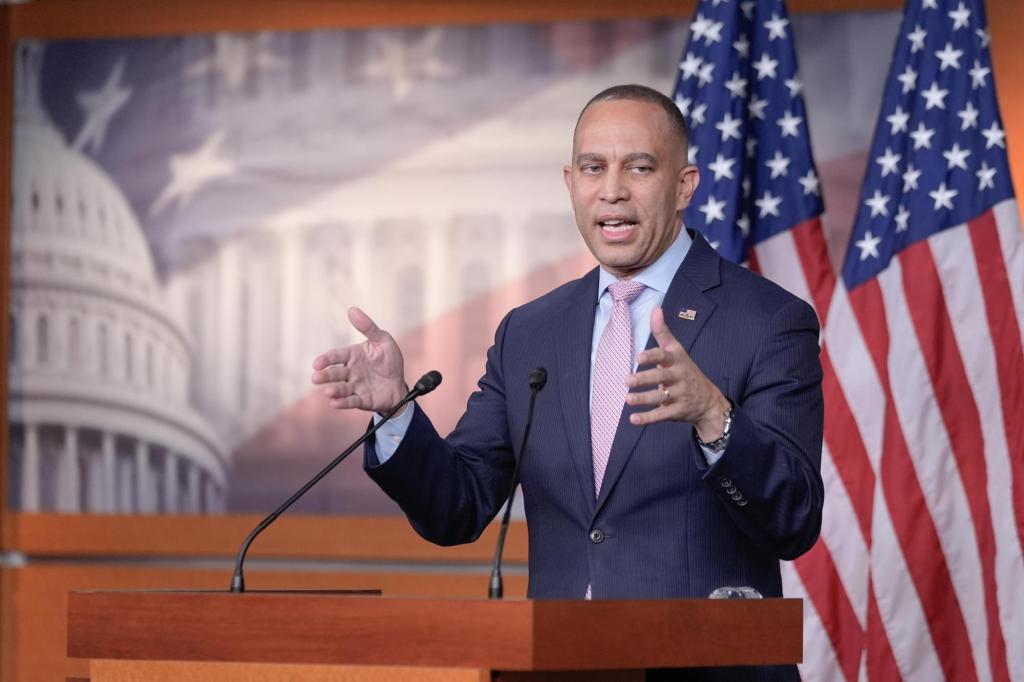
While the outcome in the Senate remains uncertain, Democrats are leveraging the issue of rising health insurance costs as a pivotal element in their campaign strategy for upcoming elections. Democratic Leader Hakeem Jeffries has been vocal in urging bipartisan cooperation to prevent significant premium hikes.
Notably, Republican Representatives Brian Fitzpatrick, Robert Bresnahan, Ryan Mackenzie, and Mike Lawler joined Democrats in signing the petition, highlighting the political pressures in their swing districts. Speaker Johnson had previously contemplated a compromise, but ultimately aligned with the party’s conservative faction, which opposes the subsidies.
The use of discharge petitions to force votes, while uncommon, has been effective in this Congress. An example includes the recent push by Reps. Ro Khanna and Thomas Massie to release the Jeffrey Epstein files, supported by the full House Democratic caucus and four Republicans.