In a landmark legal move, the families of those affected by the Hamas attack on Israel on October 7, 2023, have launched a lawsuit against Binance, a prominent cryptocurrency exchange. This legal action comes as Binance faces scrutiny over its alleged role in facilitating financial activities for groups labeled as terrorist organizations by the U.S.
On November 24, 2025, a collective of over 300 victims and their families initiated legal proceedings against Binance and its former CEO, Changpeng Zhao. The lawsuit accuses them of neglecting crucial anti-money-laundering measures and customer verification protocols, which are essential for tracking financial transactions. The plaintiffs claim that such oversight enabled entities like Hamas and Hezbollah to launder approximately $1 billion. Although Binance has refrained from commenting directly on the lawsuit, they issued a statement asserting their adherence to international sanction laws.
The implications of the lawsuit against Binance extend beyond the immediate accusations. Experts suggest this situation is indicative of a broader issue where cryptocurrencies are potentially being used to compromise global and U.S. national security. This concern is echoed by experts in the field, who warn that the misuse of cryptocurrencies could be more widespread than currently perceived.
Cryptocurrencies have been identified as a financial tool aiding nations like North Korea, Iran, and Russia, among others, in bypassing sanctions and funding illicit activities, including weapons development. These nations exploit the anonymity and lack of regulation in the crypto space to raise and launder funds.
A Tool to Evade Sanctions
For over a decade, research from the Project on International Security, Commerce, and Economic Statecraft has highlighted the increasing role of cryptocurrencies in circumventing sanctions and financing weaponry. Countries under heavy international sanctions have turned to digital currencies to maneuver around financial restrictions and procure materials for weapons programs.
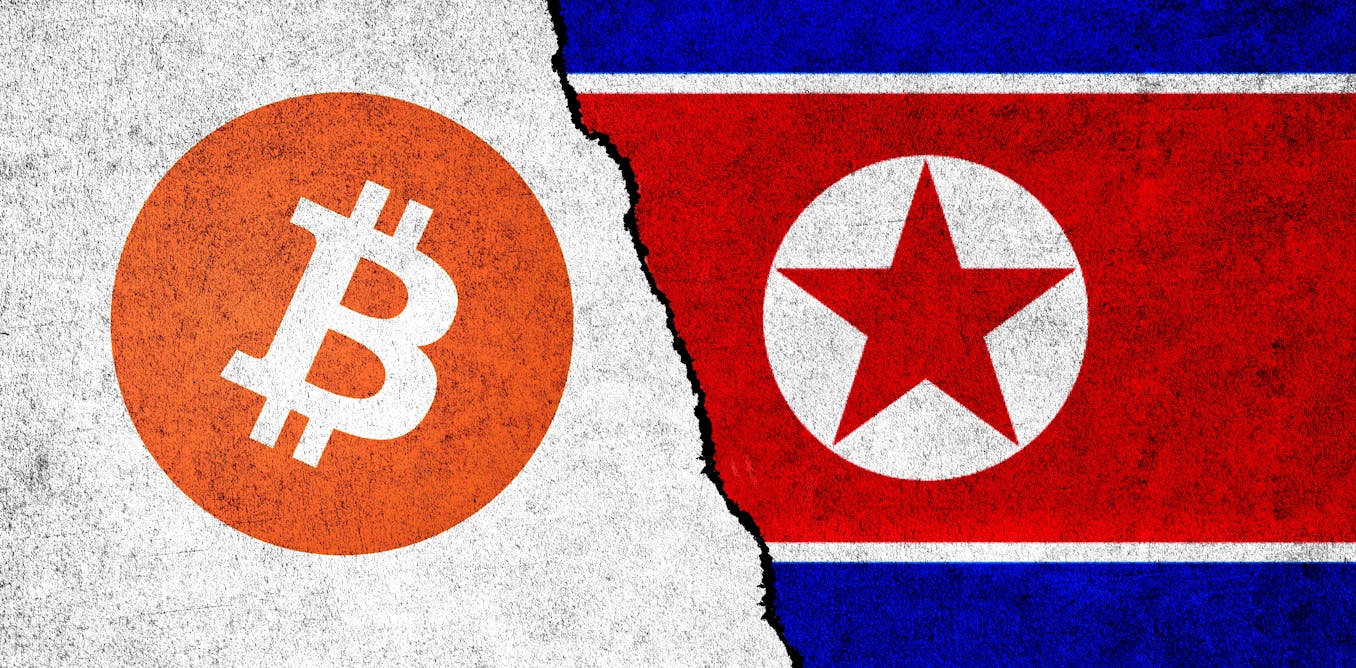
North Korea, for instance, has been implicated in cyber attacks that have funneled significant amounts of cryptocurrency into state-controlled coffers. In 2025, North Korea allegedly stole over $1.5 billion in cryptocurrency from Bybit, a UAE-based exchange, through sophisticated cyber tactics.
A Digital Bank Heist
The Bybit incident is illustrative of the vulnerabilities in the crypto industry. North Korean operatives reportedly circumvented security protocols by tricking a developer into installing malware, allowing them access to sensitive systems and enabling the redirection of funds into North Korean wallets. The stolen funds were subsequently laundered through various cryptocurrencies and wallets to obscure their origins.
Despite some recovery efforts, a significant portion of the funds remains untraceable, underscoring the challenges faced by enforcement agencies in dealing with such digital heists.
Lagging Behind on Security
One of the critical issues with cryptocurrencies is the ease of transferring funds without revealing the identities of those involved. This anonymity is exploited by rogue states and organizations to bypass traditional financial scrutiny. Even stablecoins, often touted as secure digital assets pegged to stable currencies, have been misused in illegal financing activities.
While traditional financial systems have established anti-money-laundering measures, the crypto industry often lacks such safeguards or fails to implement them effectively. This regulatory gap makes cryptocurrencies an attractive option for illicit financing.
Digital Funds, Real Risk
For nations like North Korea, the use of cryptocurrency represents a significant advantage in evading sanctions. The country has pioneered the use of crypto for funding its weapons programs, with estimates suggesting it has raised billions through digital currencies.
Similar patterns are observed in Iran and Russia, where cryptocurrencies support various sanctioned activities, including arms purchases and oil sales linked to military programs.
A Threat to National Security
Amid these concerns, U.S. regulatory efforts to curb illicit cryptocurrency use have seen setbacks. The recent pardon of Binance’s founder and regulatory rollbacks have raised questions about the U.S.’s commitment to tackling crypto-related sanctions violations.
Critics argue that reducing enforcement only emboldens entities exploiting cryptocurrencies for illegal activities. Without stringent safeguards, the crypto industry remains vulnerable to misuse, threatening both American and global security interests.