In the complex world of multinational corporations, deciding where to invest is far from straightforward. Companies must weigh the profitability of potential ventures against a backdrop of evolving risks, such as infrastructure resilience, worker safety in extreme heat, and water availability, especially as climate change escalates the frequency of severe weather events.
These climate risks are particularly pronounced in poorer nations, which often lack sufficient resources to prepare for or recover from natural disasters. As a result, many multinational firms are re-evaluating their investment strategies in these vulnerable regions.
Research into how political and environmental risks influence international business reveals a trend of multinationals systematically avoiding investments in climate-vulnerable countries. My analysis of 159 countries, discussed in the book “Multinational Corporations and Climate Change: Risks, Responsibilities, and Resilience,” shows that nations with higher climate vulnerability tend to attract less foreign investment.
Impact of Climate Risks on Investment Decisions
Studies indicate a clear trend: countries with greater climate vulnerability receive less foreign investment. This is evidenced by a 12% decrease in foreign direct investment for each point increase in climate vulnerability on a 100-point scale, as per vulnerability data that assesses exposure to climate hazards and adaptive capacity.
Occasionally, companies’ climate-related apprehensions surface publicly. For instance, Google halted a $200 million data center project in Chile due to environmental concerns affecting water supplies. Similarly, a $1 billion data center initiative in Kenya by Microsoft and G42 was suspended over water stress issues.
The financial implications of climate risks are tangible. An analysis found that companies experiencing significant flood losses saw a 5% decline in shareholder value over a year. In Vietnam, typhoons and floods inflicted $475 million in damage to infrastructure, with unreliable infrastructure costing businesses about $280 million.

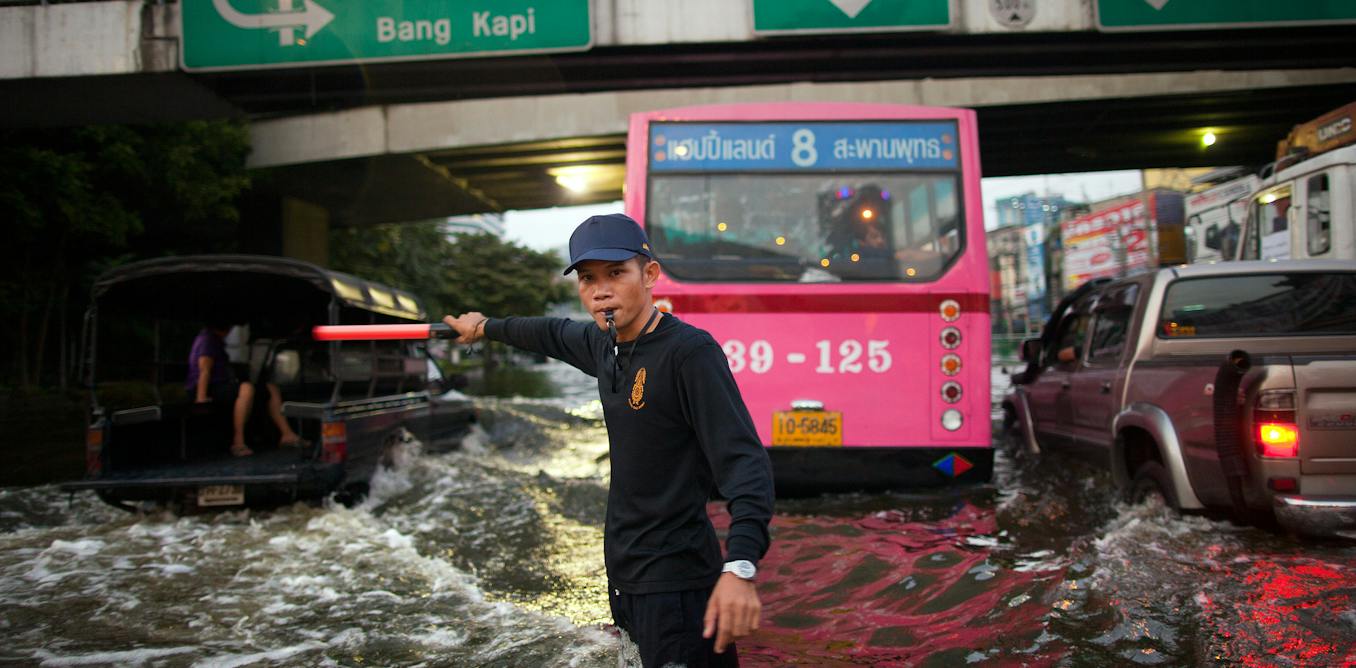
Paula Bronstein /Getty Images
In 2011, severe flooding in Thailand forced companies like Toyota, Nissan, and Honda to halt production, highlighting the impact of climate events on business operations.
Consequences of Investor Hesitance
Developing countries, often bypassed by foreign investors due to climate risks, miss out on job creation and the technological advancements that multinationals typically bring. This dynamic exacerbates global inequality by stifling economic growth potential in regions already suffering the most from climate change impacts.
Notably, these countries contribute minimally to global emissions yet bear the brunt of climate change. African nations, for example, account for less than 4% of global greenhouse gas emissions, but they are among the most affected by climate impacts.
Opportunities Missed by Multinationals
Avoiding climate-vulnerable regions may shield companies from immediate risks but also means forgoing access to burgeoning markets and essential resources. The Democratic Republic of Congo and Indonesia, rich in minerals like cobalt and nickel, present lucrative opportunities for those willing to navigate the risks.
Encouraging Investment in Vulnerable Markets
-
Foreign aid can bolster infrastructure resilience in developing nations. Studies indicate that climate adaptation aid correlates with increased foreign investment.
-
Development banks could offer climate risk insurance to multinationals, similar to existing political risk coverage, to provide a safety net for investments in high-risk areas.
-
Improved data on local climate risks can guide companies to invest more precisely, avoiding blanket avoidance of entire nations.
Combining better risk assessment, insurance solutions, and infrastructure support can foster investment that benefits both companies and climate-vulnerable economies.