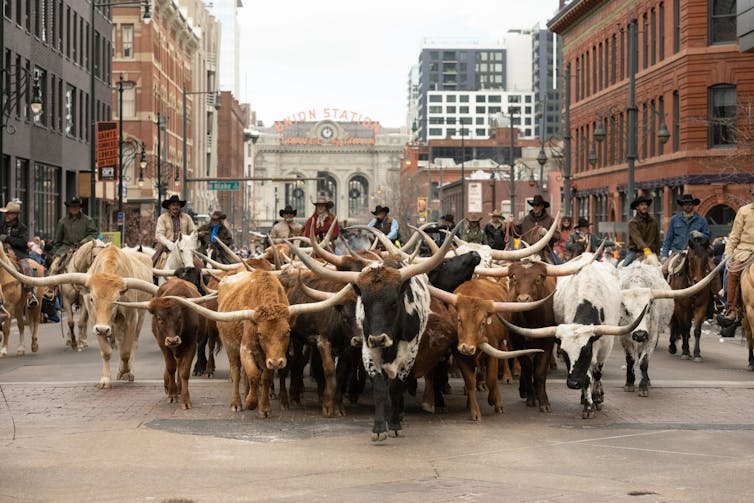
Denver’s streets came alive with the sight of longhorn cattle parading through on January 8, 2026, marking the start of the annual National Western Stock Show. As ranchers showcase their prime cattle throughout the month, questions arise about the role beef production could play in a circular economy.
John Eisele, CSU Photography, CC BY
The concept of a circular economy, as described in recent studies, focuses on sourcing raw materials sustainably, optimizing waste usage, and enhancing ecosystem and human well-being. Beef production, while beneficial for nutrition, also impacts the environment, often posing challenges.
Researchers from Colorado are exploring how to enhance the sustainability of the beef supply chain. Experts like Kim Stackhouse-Lawson and Sara Place focus on reducing methane emissions from cattle, while Jennifer Martin and Jordan Kraft Lambert explore meat processing and environmental stewardship technologies.
Beef offers a complete protein source, containing all essential amino acids and vitamin B12, which are critical for muscle building and nervous system health. Annually, U.S. beef production can satisfy the protein needs of 40 million and the B12 needs of 137 million people, according to research.
Despite contributing to only about 3.7% of the U.S.’s greenhouse gas emissions, beef production is a significant user of resources, accounting for 5% of water withdrawals and 0.7% of fossil fuel energy consumption.
Matthew Staver, CC BY
New tech to reduce environmental impact
Uniquely, cows can digest fibrous plant materials that other animals cannot, positioning them as a key component of the circular economy. By consuming byproducts like spent grain and almond hulls, cattle help reduce landfill waste and enhance protein production efficiency.
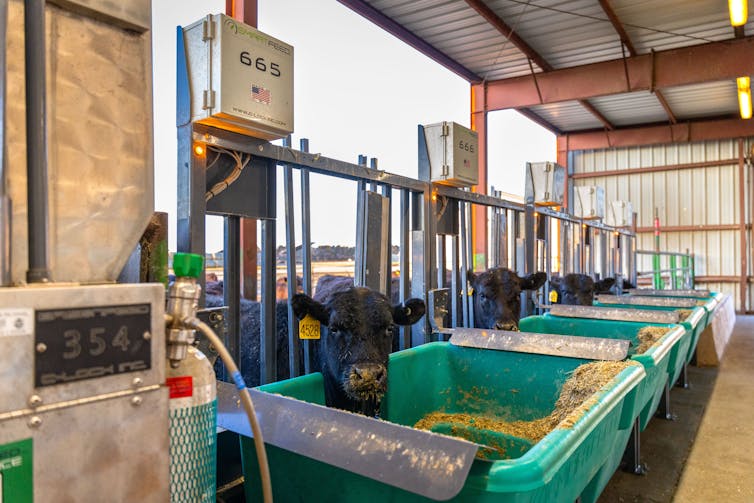
Feedlots can incorporate additives into cattle diets to lower methane emissions, altering microbial digestion processes in their stomachs. This method shows promise for reducing the environmental footprint of beef production.
CSU AgNext, CC BY
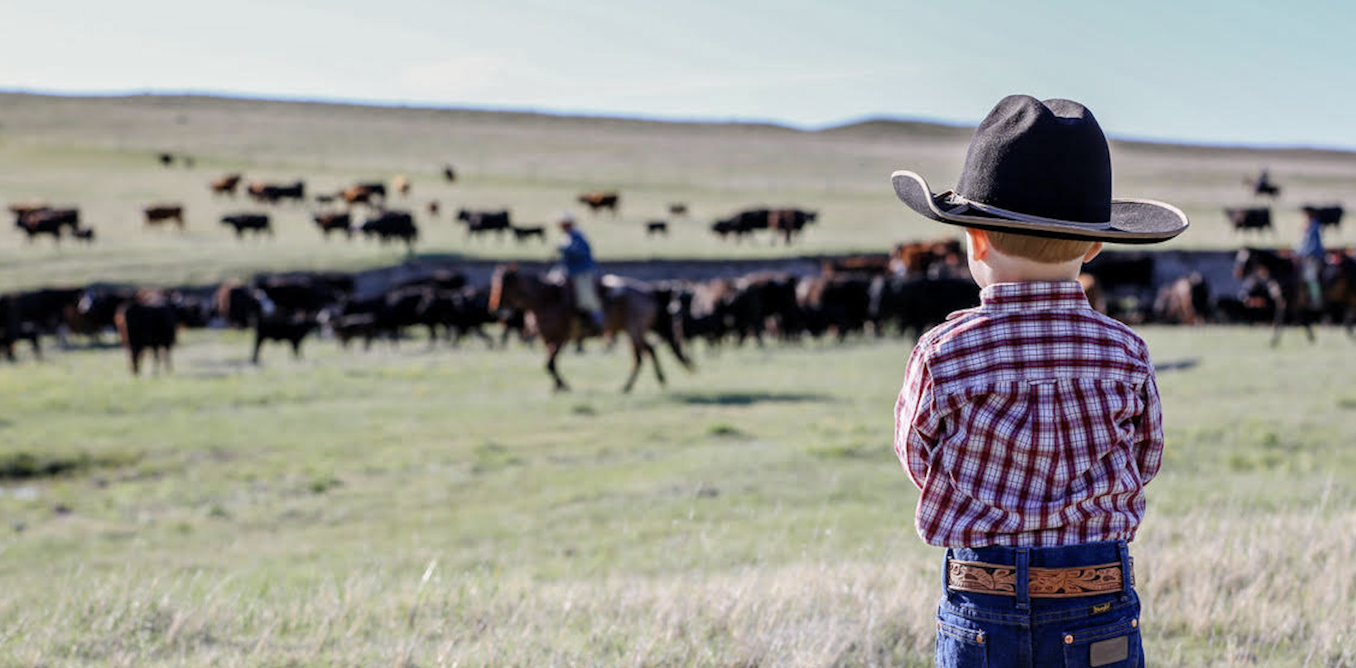
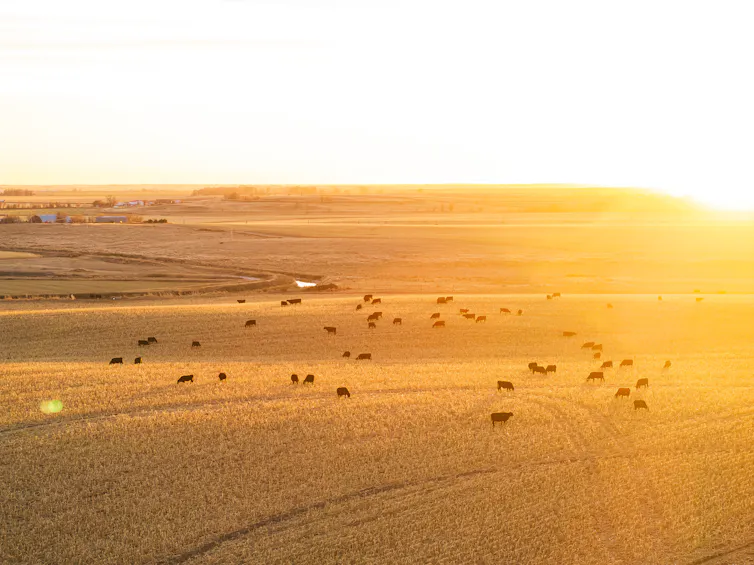
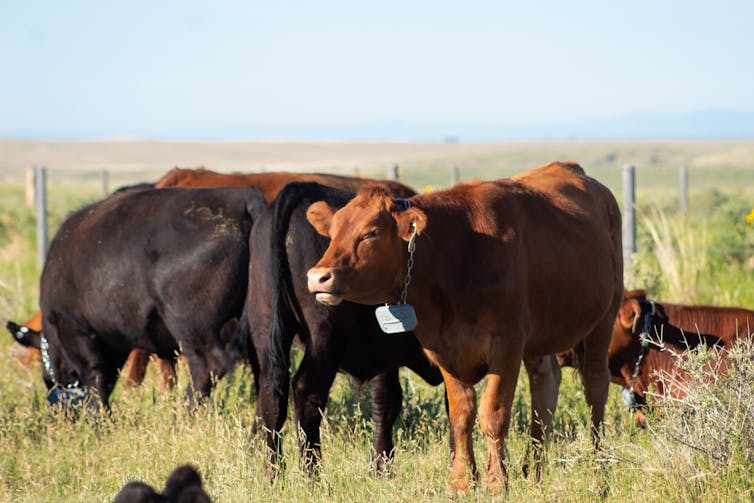
Moreover, cattle can graze on grass in regions unsuitable for crops, such as the dry plains of Colorado. Grazing not only prevents wildfires by reducing dry grass but also utilizes land that would otherwise be barren.
Technological advancements like virtual fencing offer ranchers innovative ways to manage grazing without physical barriers, promoting wildlife movement and fostering sustainable practices. Although further refinement is needed, this tool holds potential for integrating beef production into a sustainable economic model.
CSU AgNext, CC BY
Beyond steak: Organ meats, pet treats and leather
While steaks and ground beef are popular, organ meats often go unappreciated due to unfamiliarity or past negative experiences. Yet, these cuts are nutrient-rich, providing essential vitamins and minerals.
Unused cuts can end up in landfills, wasting resources and contributing to emissions. However, as culinary tastes evolve, dishes like lengua tacos are gaining popularity, and techniques such as sous vide can enhance the texture of organ meats.
Organ meats also find use in pet food, offering nutritional benefits for animals. Fashion choices contribute as well; leather, a byproduct of cattle, is a sustainable material option, reducing waste when used in consumer products.
Promoting these alternative uses aligns with circular economy principles. Colorado State University will host Future Cowboy on January 25, 2026, at the National Western Stock Show. This event will bring together diverse stakeholders to explore and celebrate the circularity of beef production through fashion shows, technology showcases, and culinary experiences.