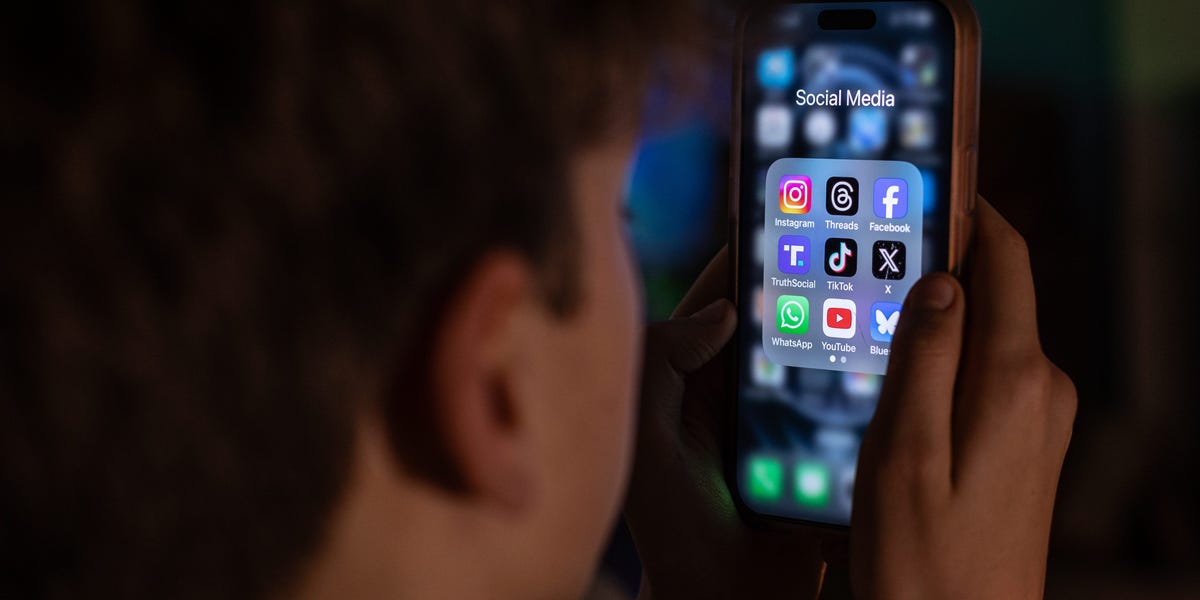
As the calendar turns to 2026, a significant shift looms in the digital landscape for young people worldwide. Governments are poised to take decisive action aimed at controlling children’s use of social media platforms.
Countries like Australia, France, Denmark, and Norway are leading the charge with proposed or enacted restrictions targeting young users. In the United States, however, efforts remain fragmented and face considerable challenges.
This movement gains urgency amid growing concerns about the impact platforms such as TikTok, YouTube, and Snapchat may have on the mental health of the youth.
In a New Year’s Eve address, French President Emmanuel Macron reinforced his advocacy for banning social media for minors, signaling a shift towards more concrete global efforts. “We will protect our children and teenagers from social media and screens,” he stated.
Global Moves Toward Social Media Restrictions
The conversation around restricting social media access for children has been ongoing for years. Recently, these discussions have begun to translate into action. Australia has set a precedent by banning social media for those under 16, a law that became effective last December.
Following Australia’s lead, France is working on legislation to restrict access for children under 15, aligning with the academic calendar’s new year start. Malaysia, Denmark, and Norway are also contemplating similar measures. Denmark’s Prime Minister Mette Frederiksen highlighted the growing issue of youth anxiety and depression, while Norway acknowledges the enforcement challenges.
India’s high court has also suggested exploring similar legislation inspired by Australia’s approach.
Industry Pushback on Proposed Legislation
While governments push for restrictions, social media companies are voicing strong opposition. They argue that such measures are impractical and could lead to unintended consequences, citing their own safeguards as sufficient.
Google and Meta, in response to Australia’s new law, advocated for a delay, suggesting the need for an age-verification system. A Meta spokesperson emphasized the company’s commitment to safe online experiences for young users, highlighting over 50 tools developed for protection.
Elon Musk criticized the law as a potential means to control internet access for all Australians, while TikTok shared concerns about the legislation.
Complexities in the United States
In the United States, efforts to impose national restrictions face significant hurdles. Legislative proposals have stalled in Congress, shifting focus to state-level initiatives characterized by varied age-verification and parental-consent laws.
Virginia plans to introduce a law limiting children under 16 to one hour of social media daily, but it is already facing legal challenges. Nebraska requires parental consent for minors’ social media accounts, while other states like Utah and Florida have proposed similar measures that are delayed or blocked in court.
Some states are targeting smartphone use in educational settings, implementing “bell-to-bell” bans on cellphones in public schools.
In October, attorneys general from 14 states sued TikTok, accusing it of harming children’s mental health while the company defends its safeguards.
As these initiatives gain momentum, some analysts warn against viewing them as simple solutions. UNICEF expressed concerns that bans might not work as intended, citing the reliance of marginalized children on social media and potential for alternative, less safe online spaces.