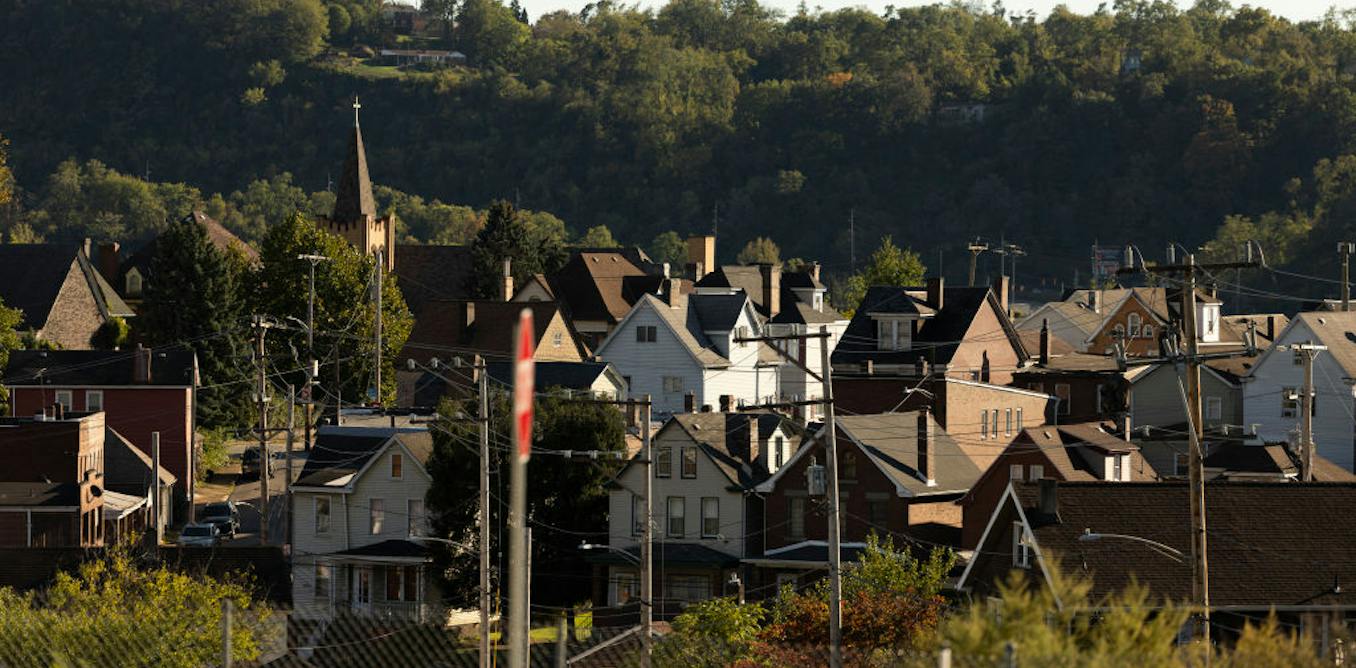
As urban development projects unfold, they often bring concerns about gentrification and displacement to the forefront. This dynamic is evident in Pittsburgh’s Hazelwood neighborhood, where the Second Avenue housing project has stalled close to the expansive 178-acre Hazelwood Green riverfront development. This situation raises pressing questions about the nature of development and its impact on existing communities.
The case of Hazelwood serves as a unique opportunity to explore whether it is possible to achieve development without displacing current residents.
Amidst fears that the redevelopment of Hazelwood Green would lead to displacement, due to new businesses and increased land speculation, efforts have been made to address these concerns. The Heinz Endowments took proactive steps by investing in the existing community prior to redevelopment.
A research team, which included urban policy consultants and educators like those from the University of Pennsylvania, employed tools such as the Market Value Analysis and Displacement Risk Ratio to study Hazelwood’s transformation.
Transforming Hazelwood
The Hazelwood Green site, once home to the LTV Steel plant, was acquired in 2002 by foundations including the Heinz Endowments. It has since attracted technology, robotics, and manufacturing firms, with additional developments planned.
Recognizing the potential for displacement, the Heinz Endowments allocated over $24 million through more than 120 grants since 2012. These funds were directed towards housing repairs, rental rehabs, and tenant relocation to renovated units.
Local nonprofits received support to acquire run-down properties and help homeowners maintain their homes. This initiative also included forming a community development corporation, enabling residents to voice their vision for Hazelwood, and supporting cultural and educational programs.
Measuring Displacement
Researchers examined how Hazelwood Green’s development influenced the surrounding area through multiple lenses, including economic and demographic shifts.
In a typical gentrification scenario, one would expect new residents, rising incomes, and increased housing costs, often accompanied by demographic shifts towards a more predominantly white population.
In Hazelwood, however, these changes were not observed. According to census data, the neighborhood’s population decreased from 5,395 in 2010 to 4,474 in 2022. The stability of residency rates and commuting patterns further indicated that displacement was minimal.
Notably, the proportion of nonwhite residents increased from 48% in 2010 to 55% in 2022, defying typical gentrification trends.
Despite rises in home values, Hazelwood’s median home price remained accessible for households earning around $40,000. Additionally, while housing affordability issues persist, particularly for lower-income renters, Hazelwood fares better than the broader Pittsburgh area.
Efforts to provide upgraded housing and new affordable units, backed by the Low-Income Housing Tax Credit, may further support residents’ ability to remain in the neighborhood.
Comparative Insights
The Market Value Analysis and Displacement Risk Ratio tools provided insights into Hazelwood’s resilience compared to other neighborhoods facing similar investment pressures. Hazelwood showed greater stability and lower displacement risks than comparable areas in Philadelphia, Baltimore, and St. Louis.
Ongoing Concerns
Despite these positive indicators, fears of displacement persist among Hazelwood residents. Nonprofit leaders attribute this anxiety to gentrification experiences in other Pittsburgh neighborhoods, such as East Liberty, and the enduring presence of poverty and blighted housing.
Local initiatives continue to combat these challenges, with nonprofits actively working to rehabilitate properties and advocate for residents’ interests. While it’s challenging to pinpoint the exact impact of specific grants, Hazelwood’s experience suggests that thoughtful development planning can mitigate displacement pressures.
The Richard King Mellon Foundation supports The Conversation Pittsburgh.
Read more of our stories about Pittsburgh and Pennsylvania.