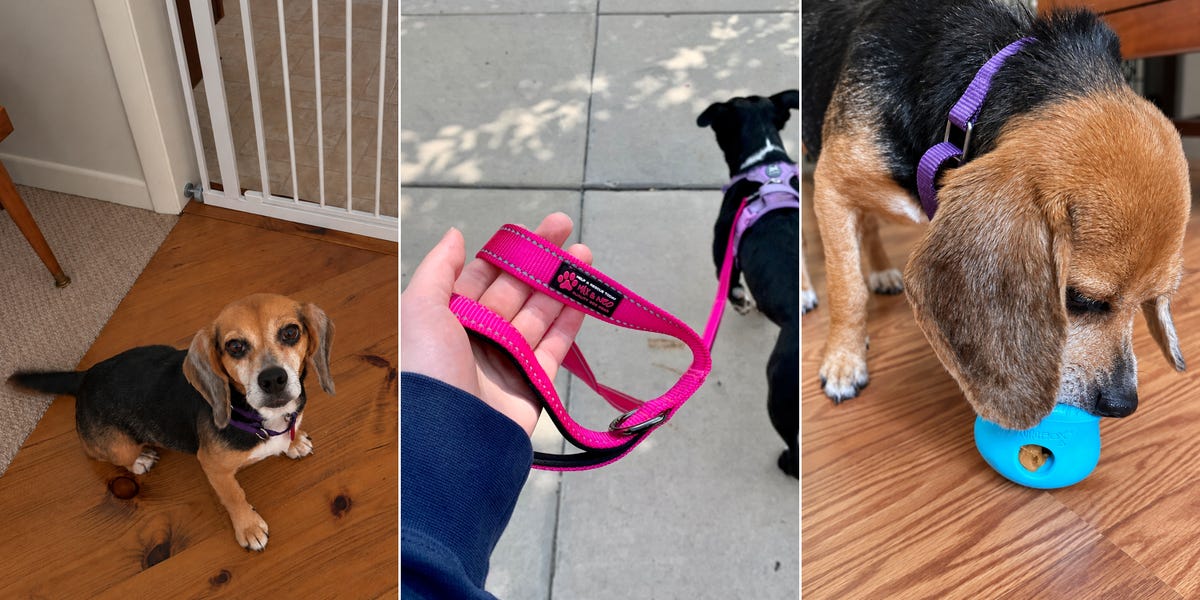
Bringing a dog into your home, whether it’s a young puppy or an adult rescue, involves a number of preparations and choices. This has been particularly relevant to me recently as I welcomed my own new dog, Penny, just last weekend.
Even with my background as a pets editor and an experienced dog owner, the vast array of options for essentials like food, bowls, and training tools can be overwhelming. Thankfully, I consulted with several experts on creating a checklist for a new dog before completing my adoption. I also drew from my past experiences of adopting two rescue dogs to recall the indispensable items and those I wished I’d had.
Essential Items When Bringing Your Dog Home
Experts, including veterinarians, animal behaviorists, and professional dog trainers, emphasize the importance of setting a calm, stable environment for a new dog. The following items can aid in creating such an environment, particularly during the initial days, weeks, and months.
Specific product recommendations in this article are based on thorough research and testing by BI Reviews editors and reporters. Alongside these items, an initial visit to the veterinarian is crucial for ongoing health advice, including flea, tick, and heartworm prevention. Additionally, registering your dog’s microchip is essential.
A Collar and Leash
Amy Graves; Sophia Carlisle/Business Insider
Invest in a simple budget-friendly collar and a high-quality leash to keep your new dog close and guide them safely. While some shelters may provide these, it’s not guaranteed. A collar should include an ID tag with your contact information, rabies vaccination, and license tags. Initially, you can connect the leash to their collar for walks, but measuring them for a harness should be a priority once they’re home.
A Car Seat or Crash-Tested Harness
Liz Coleman/Business Insider
Ensure your dog is safely restrained in the backseat for the drive home. “Make sure to keep the windows up to avoid escape and injury, and keep your new friend in the back seat, which is the safest area of the car for a pet to travel,” states Dr. Reagan Bugg, regional doctor mentor for Thrive Pet Healthcare. For puppies, a carrier is recommended to limit exposure to diseases, while crash-tested harnesses are suggested for larger adult dogs.
Dog Treats
Tasty treats can help your dog form positive associations with new surroundings. “Treats can help make the whole experience better for everyone,” says Amanda Farah, professional dog trainer for Best Friends Animal Society. Small, soft training treats are easy to carry and chew. Check with the adoption coordinator if your dog has a favorite.
Creating a Safe Space for Your New Dog
Lisa Sabatini; Alex Rennie/Business Insider
Transitioning to a new home is significant for any dog. It might take time for their personality to emerge, and some may be initially fearful. “When your dog is new to the home, a ‘safe space’ can help them relax, decompress, and feel secure,” suggests Farah. Choose a low-noise area away from high-traffic spots. Ensure it provides a place to rest and observe without becoming overwhelmed.
Use a Crate, Exercise Pen, or Gate
The safe space might be a suitably sized crate, an exercise pen, a gated room section, or a small room with a closing door. It should also have sleeping and eating areas without competition from other pets. If introducing existing pets, keep all dogs leashed, advises Dr. Jen Quammen, president of the American Veterinary Medical Association.
Get Ready for Feeding
A predictable routine includes reliable access to fresh water and food.
Use a Regular Bowl for Water, and Consider a Slow Feeder for Food
Lisa Sabatini; Elizabeth Holbrook/Business Insider
Your dog should have their own food and water bowls. If you have other pets, feed them separately from your new dog. Jacobs also suggests puzzle and slow-feeder bowls for mental enrichment during mealtime.
Consult Your Vet Before Changing Food
It’s best not to change your dog’s food immediately unless necessary, says Jacobs, as many dogs have sensitive stomachs. Shelters may provide a small supply of the current food, or you can purchase it locally. Once your dog is settled, your vet can help select appropriate food if you decide to switch. Transition gradually over 7 to 10 days, advises Quammen.
Prepare for House Training and Accidents
Jacobs recommends a clear plan for house training. You might start with potty pads or immediately introduce your dog to an outdoor spot. For training, Farah emphasizes the importance of good guidance and rewarding treats. Find a trainer or resources to communicate effectively with your dog.
Use Potty Pads as Needed
Lisa Sabatini/Business Insider
Potty pads are useful for containing messes and providing a portable potty option. Farah suggests creating a safe, contained area for supervision and using an exercise pen to prevent unwanted behaviors.
Neutralize Urine with an Enzymatic Cleaner
Accidents happen, and it’s important to clean them appropriately. Bugg recommends an enzymatic cleaner to prevent repeat incidents at the same spot.
Get Walking with Essentials
Jackie Brown; Lisa Sabatini/Business Insider
Start by letting your dog explore their immediate area. Puppies not fully vaccinated should avoid dog-heavy areas. Once familiar with your dog’s walking style, choose a suitable harness.
Always Carry Poop Bags
Single-use plastics are not ideal, but Earth Rated bags contain 65% post-consumer recycled plastic. It’s important to carry these daily, so purchasing in bulk is recommended to avoid running out.
Start with a Few Safe Toys
Lisa Sabatini; Rachael Schultz/Business Insider
While it’s tempting to buy many toys, start simply to understand your dog’s preferences. Toys should be sized for your dog and suited to their chewing strength. Supervise them with new toys to ensure safe interaction.
Tough Chew and Tug Toys
Dogs often have preferences for chew items, so offer a variety. Reid suggests providing choices to meet their chewing needs.
Food and Puzzle Toys
Keep a rotation of puzzle toys on hand for food-motivated dogs. Insider Reviews reporters and I have tested many options across difficulty levels.
Plush Toys
“Ripping and tearing are built into their DNA, so when they’re unstuffing their stuffies, know that you’re providing great enrichment,” Farah says.