In a startling resurgence, the flesh-eating New World screwworm fly (Cochliomyia hominivorax) has reappeared on the U.S. mainland after more than half a century, posing a significant threat to livestock and other warm-blooded animals. This pest, which feeds on living tissue, is not limited to cattle; it threatens a wide range of animals including deer and elk, as well as smaller game and waterfowl.
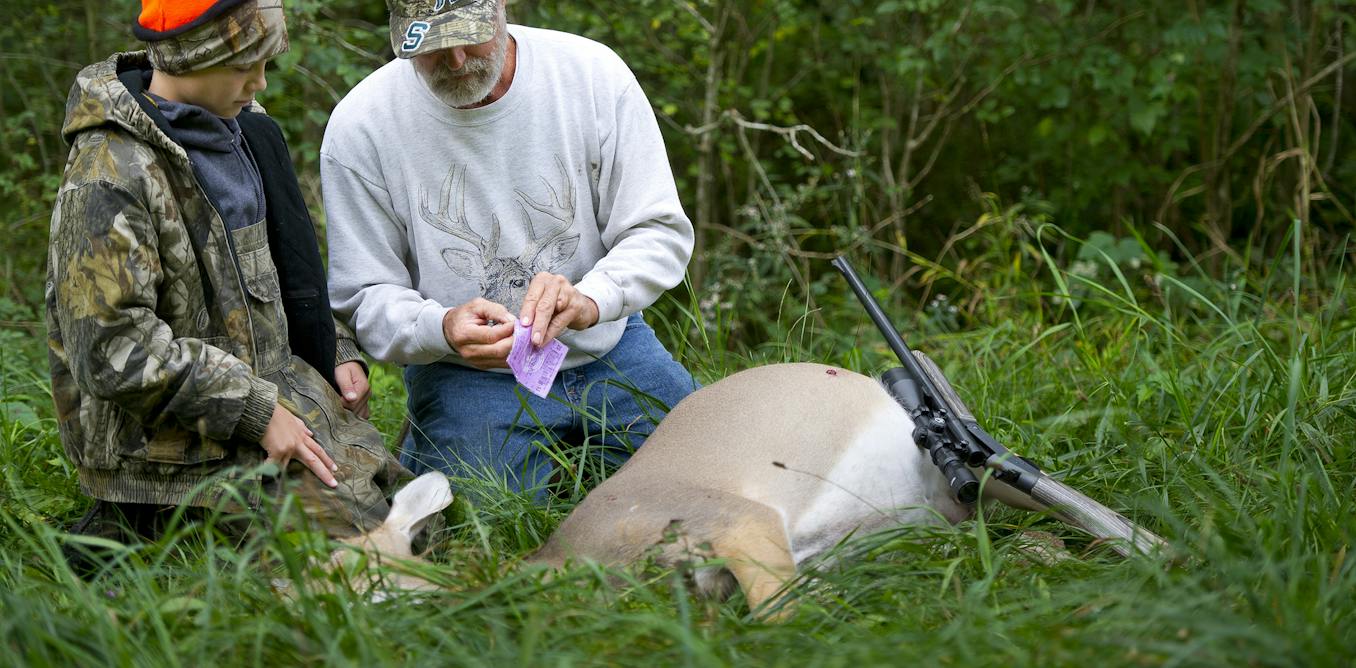
This fall, hunters may play a pivotal role in identifying and curbing the spread of this dangerous parasite. They are encouraged to be vigilant and report any signs of infestation, as they are uniquely positioned to observe the health of wildlife.
According to researchers at the Mississippi State University deer lab, hunters can act as an early warning system by monitoring wildlife for signs of screwworm. Wildlife agencies are urging hunters to stay alert and report any infestations.
The Threat of Screwworm
New World screwworm larvae distinguish themselves from other blowflies by consuming live tissue. They lay eggs in open wounds or natural body openings, such as the nose and eyes, leading to severe infections and often death.

USDA
Even minor wounds like tick bites or antler growth sites can attract these pests. Once hatched, the larvae burrow into the flesh, exacerbating the wound and attracting more flies, which can lead to fatal infections.
Historical Eradication Efforts
In the past, screwworms severely impacted U.S. livestock, resulting in losses of up to $100 million annually in the 1950s, which would be over $1 billion today.

Judy Gallagher/Wikimedia Commons, CC BY
The U.S. eradicated screwworm from the mainland in 1966 through treating infected animals and releasing sterilized male flies, taking advantage of the screwworm’s short life cycle and unique breeding habits to disrupt reproduction.
Sterile insect techniques were so effective that the pest was pushed south, contained south of the Darién Gap in Panama. However, recent movements of livestock and wildlife have reintroduced the screwworm, allowing it to proliferate and move northward again.
Florida’s Key Deer Outbreak
While livestock typically garner more attention during screwworm outbreaks, wildlife can be severely affected too. In 2016, the parasite was discovered in the Florida Keys within an endangered population of Florida Key deer.

USDA
With an estimated population of only about 800 to 1,000 individuals, the Florida Key deer were closely monitored. Despite losing 9% to 20% of the deer population, the screwworm was eradicated within a year due to rigorous monitoring and the release of sterile flies.
Resurgence of Screwworm in 2026
In June 2026, a rancher in La Pryor, Texas, identified the first case of New World screwworm in a calf. Since then, cases have been confirmed in Texas and New Mexico, reaching 116 detections, including two elk shot by hunters in Texas.

Joel Angel Juarez/Getty Images
The U.S. government has responded by increasing the production of sterile flies to control the parasite’s spread. Although wildlife cases are few, they pose a significant challenge due to the difficulty in treating wild populations individually.
The Role of Hunters in Monitoring
Hunters, often referred to as conservationists, are pivotal in the early detection of screwworm infestations. The U.S. Fish and Wildlife Service estimates nearly 11.5 million hunters are active in the field, particularly during big game seasons, making them critical observers of wildlife health.

Lovz2hike via Wikimedia Commons, CC BY-SA
White-tailed deer hunters alone are expected to harvest millions of deer, providing unparalleled surveillance of wildlife populations. New Mexico has already enlisted hunters to report any signs of screwworm, particularly in affected regions.
Guidance for Hunters
Hunters should watch for animals exhibiting symptoms of infection, such as visible maggots or unusual behavior. If signs of screwworm are detected, hunters are advised not to move the animals to prevent further spread and should immediately contact local wildlife authorities.