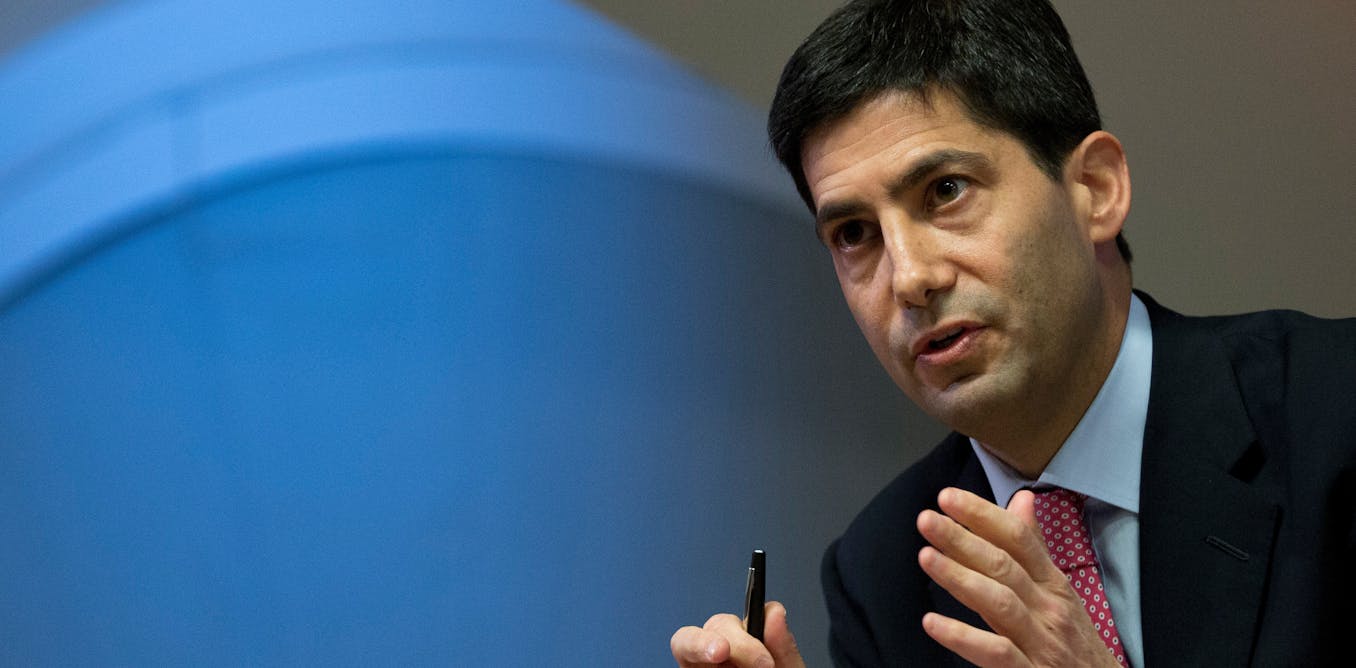
In a move that could redefine the direction of U.S. monetary policy, President Donald Trump has put forward Kevin Warsh as his choice for the next chair of the Federal Reserve. This decision, announced on January 30, 2026, comes amidst ongoing debates over the central bank’s independence and its economic strategies.
Should Warsh secure Congressional approval, he will assume control of the Fed at a pivotal moment. His predecessor, Jerome Powell, has been the target of criticism from Trump for resisting demands to lower interest rates, a conflict that underscores the tension over the Fed’s autonomy in economic governance. Powell’s term concludes in mid-May, leaving his successor to contend with an economy that shows signs of recovery but faces persistent uncertainties.
What lies ahead for the Federal Reserve under Warsh’s leadership? Here are three critical aspects to consider regarding Trump’s nominee.
Warsh’s Extensive Experience
Kevin Warsh is no stranger to the intricacies of monetary policy. With a background from Stanford University and Harvard Law School, Warsh has previously served as special assistant to the president for economic policy and as executive secretary of the White House National Economic Council during George W. Bush’s presidency. He became one of the youngest members of the Federal Reserve Board of Governors.
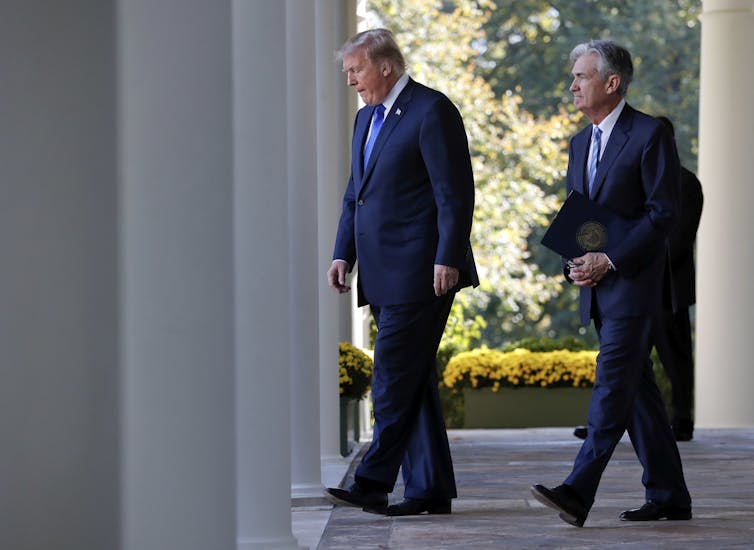
Warsh was a contender for the Fed chair position in 2017, a role that ultimately went to Powell. Trump later expressed regret for not selecting Warsh, a sentiment likely fueled by his disagreements with Powell’s policies.
AP Photo/Pablo Martinez Monsivais
Warsh’s tenure from 2006 to 2011 involved significant engagement with Wall Street during the 2008 global financial crisis. Following his departure from the Fed, he became a visiting fellow at Stanford’s Hoover Institution and a lecturer at its Graduate School of Business. His financial sector experience includes a stint at Morgan Stanley and a partnership at Duquesne Family Office.
His nomination has attracted scrutiny over potential political influences, given his familial ties to Ronald Lauder, a known ally and donor to Trump.
Shifting Monetary Perspectives
Warsh’s approach to monetary policy has traditionally been described as hawkish, favoring tighter control and higher interest rates to manage inflation. His past criticisms of expansive monetary policies, like quantitative easing, suggest a preference for a leaner Fed balance sheet.
However, recent public statements indicate some alignment with Trump’s preference for lower interest rates, echoing the call for a renewed Treasury-Fed Accord reminiscent of 1951, which solidified the Fed’s independence from fiscal authorities.
Debate Over Fed’s Autonomy
The nomination of Warsh raises concerns about the potential politicization of the Federal Reserve. The institution’s independence is crucial in making decisions that prioritize long-term economic stability over short-term political gains.
Given Trump’s outspoken criticism of Powell and the push for policy alignment with the executive branch’s preferences, Warsh’s nomination is viewed by some as an attempt to exert greater presidential influence over the Fed. Critics argue Warsh may be more prone to political considerations than his predecessors.
Warsh’s appointment thus symbolizes the broader debate over the balance between political influence and economic independence, and between immediate economic growth and enduring stability.