Urban planning often champions growth as a hallmark of a thriving community, but what happens when growth isn’t as straightforward as it seems? This question is increasingly relevant, as many cities grapple with the complexities of population dynamics.
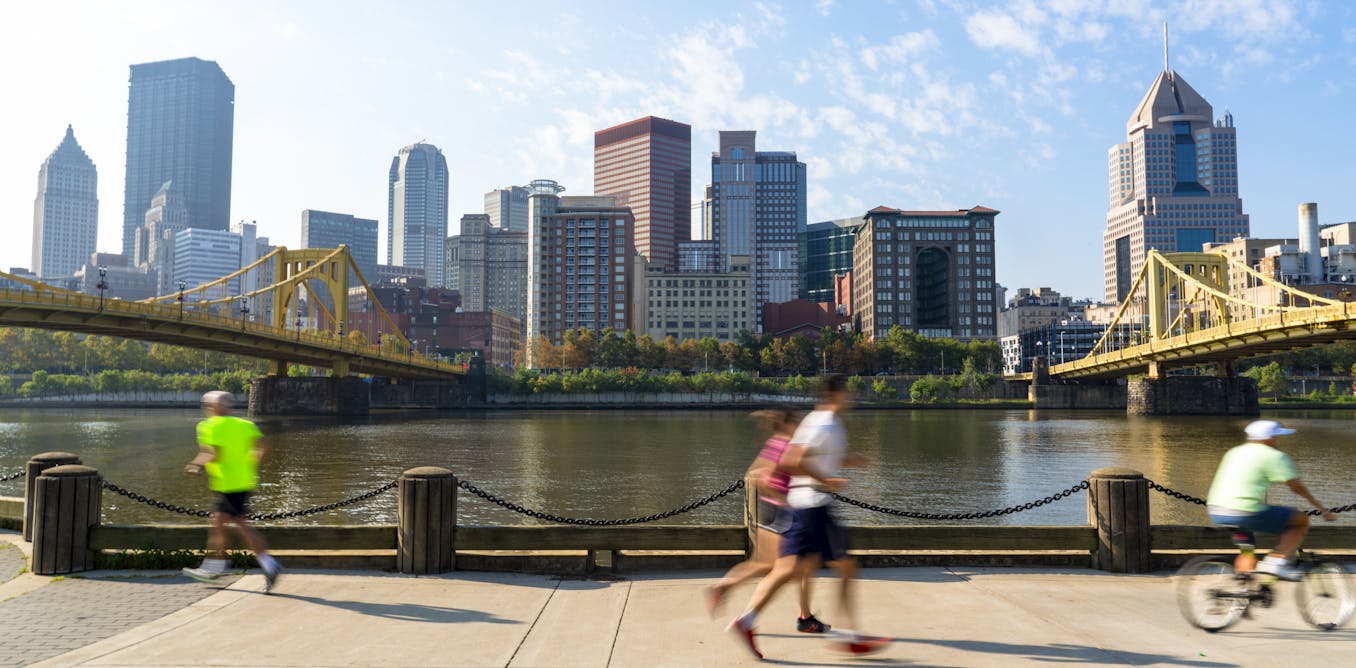
For many municipalities, population growth is a key indicator of prosperity. However, this belief can sometimes mask the realities faced by regions where growth isn’t evenly distributed. Take the example of Pittsburgh, which experienced its first population increase in nearly seven decades, adding over 4,500 residents from 2020 to 2025, making it the largest population gain in Pennsylvania.
Yet, this seemingly positive development doesn’t reflect the broader picture. The surrounding eight-county metro area saw a decline of almost 35,000 residents over the same period. Such concentration of growth in a few areas contrasts with declines in others.
This demographic challenge is not unique to Pittsburgh. Across the United States, population growth is slowing. Does this imply that these communities are failing to attract residents and businesses?
Lessons from Steel Towns
Youngstown, Ohio, offers a poignant example. Two decades ago, its mayor, Jay Williams, embraced policies acknowledging that the city would never return to its former population peak. This was a bold move following Black Monday in 1977, when over 5,000 steelworkers were laid off.

AP Photo/Tony Dejak
Youngstown was a precursor for many Rust Belt towns facing population declines. Braddock, Pennsylvania, for instance, once housed over 20,000 residents in the 1920s but has dwindled to fewer than 2,000. Despite these trends, the concept of planning for anything but growth remains largely absent in public discussions.
The link between growth and prosperity isn’t always direct. Cities like Burlington, Vermont, are slow-growing yet rank high in livability. Internationally, Zurich and Vienna exemplify this pattern.
Rethinking Growth
These ideas are not a modern revelation. Economist Paul Gottlieb, over two decades ago, advocated for “Growth Without Growth,” suggesting that population growth isn’t a definitive measure of success. Recent census data indicates that over 41% of U.S. counties saw a population decline from 2020 to 2025. In the Pittsburgh area, 71% of municipalities lost residents, particularly in older industrial towns.
Growth is primarily seen along the I-79 corridor in Butler and Washington counties, a sign of suburban expansion rather than a regional resurgence.

The Good Brigade/Digital Vision Collection via Getty Images
Communities must adapt to these changing realities. In “Smaller Cities in a Shrinking World: Learning to Thrive Without Growth,” Alan Mallach explores how towns can navigate these challenges. He suggests that declining populations could provide opportunities for urban greening and addressing housing issues.
Adapting to Change
The concept of managed decline recognizes that a community’s future might differ from its past. It emphasizes the need to plan according to actual economic and demographic trends instead of idealized growth scenarios. This approach isn’t limited to the U.S.; Germany’s Stadtumbau Ost program is an example of reshaping cities based on realistic population figures.
Despite these demographic patterns, few U.S. leaders advocate for managed decline policies. Politicians fear backlash, yet the public needs a transparent understanding of future growth possibilities. Collaboration, not competition, will be key for communities facing these trends.
Improving residents’ quality of life remains crucial for places like Pittsburgh. While population gains may occur, they will likely be limited and challenging to maintain.