
In a significant legislative development, the ROAD to Housing Act has been enacted, marking a pivotal moment in the effort to address the country’s enduring housing crisis. This new law, effective from July 11, 2026, represents one of the few major legislative accomplishments in recent Congress sessions and is the first comprehensive housing bill since the 1990s. The ROAD to Housing Act is being hailed by many as a critical measure, yet some argue it may not be sufficient to resolve the affordability issues plaguing the nation.
The Act received robust bipartisan support, passing through both the Senate and the House with large margins. Nonetheless, President Donald Trump’s decision to cancel its signing ceremony and his refusal to sign the bill delayed its enactment. Despite this, the bill became law on July 11, as it was not vetoed, per existing legislative procedures.
While the Act introduces numerous regulatory changes, it falls short in addressing the core issue: many Americans struggle to afford housing due to insufficient income. The bill’s 60 provisions include regulatory adjustments such as streamlining environmental impact reviews, reducing inspection frequencies for federally assisted rental homes, and easing financing for homebuyers. These changes aim to alleviate some housing challenges, though experts believe their effects will be limited.
Key Reforms and Provisions
One notable provision restricts private equity firms from acquiring and managing single-family homes as rentals, a practice more prevalent in certain Southern housing markets. These firms often pay cash for homes, sidelining individual buyers needing mortgages, and are known for their aggressive rent hikes and eviction practices.
The Act also seeks to reduce housing costs and increase supply. For instance, it eliminates the steel chassis requirement for manufactured homes, potentially lowering building costs by $5,000 to $10,000. Other measures include simplifying environmental reviews and allowing new architectural designs for midsize apartments, which might lower construction expenses by removing the need for multiple staircases.
Further provisions aim to support local development efforts. The Department of Housing and Urban Development will issue guidelines for zoning and land-use policies to encourage the construction of smaller homes. Additionally, local governments receiving federal development funds must create an online database of undeveloped land, facilitating site identification for affordable housing projects.
Additionally, the Act advocates for the issuance of “small dollar mortgages” under $100,000 by the Federal Housing Administration, addressing the financing gap in low-cost home purchases. It also reauthorizes the Community Development Block Grant Disaster Recovery program for three years, aiding in disaster recovery efforts for low- and moderate-income households.
Regarding rental housing, the bill includes measures to encourage landlord participation in the Housing Choice Voucher Program and safeguards for low-income rural renters against eviction when federal mortgages expire.
Lingering Affordability Issues
Despite these reforms, the legislation’s impact on housing affordability is expected to be modest. The Act does not introduce new subsidies for low-income renters or homebuyers, leaving the majority of cost-burdened renters and homeowners without significant relief. Without mandates for local zoning changes, the bill’s success hinges on voluntary state and local government participation.
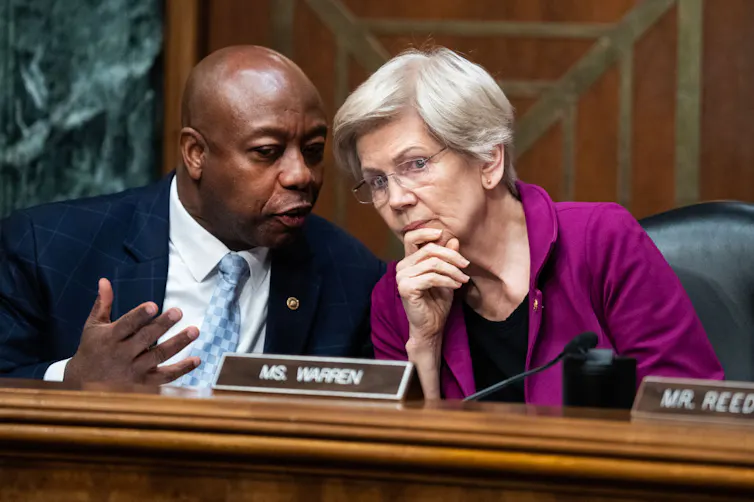
Tom Williams/CQ-Roll Call via Getty Images
While the Act is a step forward, it does not compel localities to amend zoning laws to facilitate higher-density housing developments. Resistance from homeowners concerned about property values remains a significant barrier. Moreover, recent budget proposals suggest a lack of congressional support for expanding low-income housing programs, further limiting the Act’s potential impact.
Ultimately, the ROAD to Housing Act may catalyze some reforms but is unlikely to drastically change the current housing landscape without additional legislative support and broader policy shifts.
This is an updated version of an article originally published on May 29, 2026.