As the fiscal clock ticks closer to the 2030s, the future of Social Security remains uncertain. The latest forecast from the panel responsible for overseeing the Social Security and Medicare trust funds has sounded an alarm: the reserves could be depleted by 2032, potentially leading to significant benefit reductions for millions of Americans unless legislative actions are taken. This issue is not just a fleeting headline but a pressing concern with far-reaching implications.
The June 9, 2026 projection indicates that, by 2032, the Social Security trust fund might only manage to cover approximately 78% of the scheduled benefits. This potential 22% cut poses a grave concern for the 20% of Americans relying on Social Security. The situation is exacerbated by demographic shifts, including lower birth rates, reduced immigration, and a slower-growing workforce, which diminish future revenue from Social Security taxes.
The crux of the issue lies in the imbalance between the number of workers and retirees, a challenge that has persisted for decades. Recent trends, such as rising debt levels and high interest rates, further strain fiscal resources essential for implementing solutions. As noted in a recent analysis, the workforce is shrinking faster than anticipated due to these demographic changes.
Social Security is not on the brink of vanishing; its continuity is tied to the contributions of workers and employers. However, for those eyeing retirement in the early 2030s, the specter of benefit reductions looms large. The urgency for reform mirrors the crisis of the 1980s when policymakers faced a similar predicament. A public finance expert suggests that without bipartisan compromise, the economic and political fallout could be severe.
Current Challenges
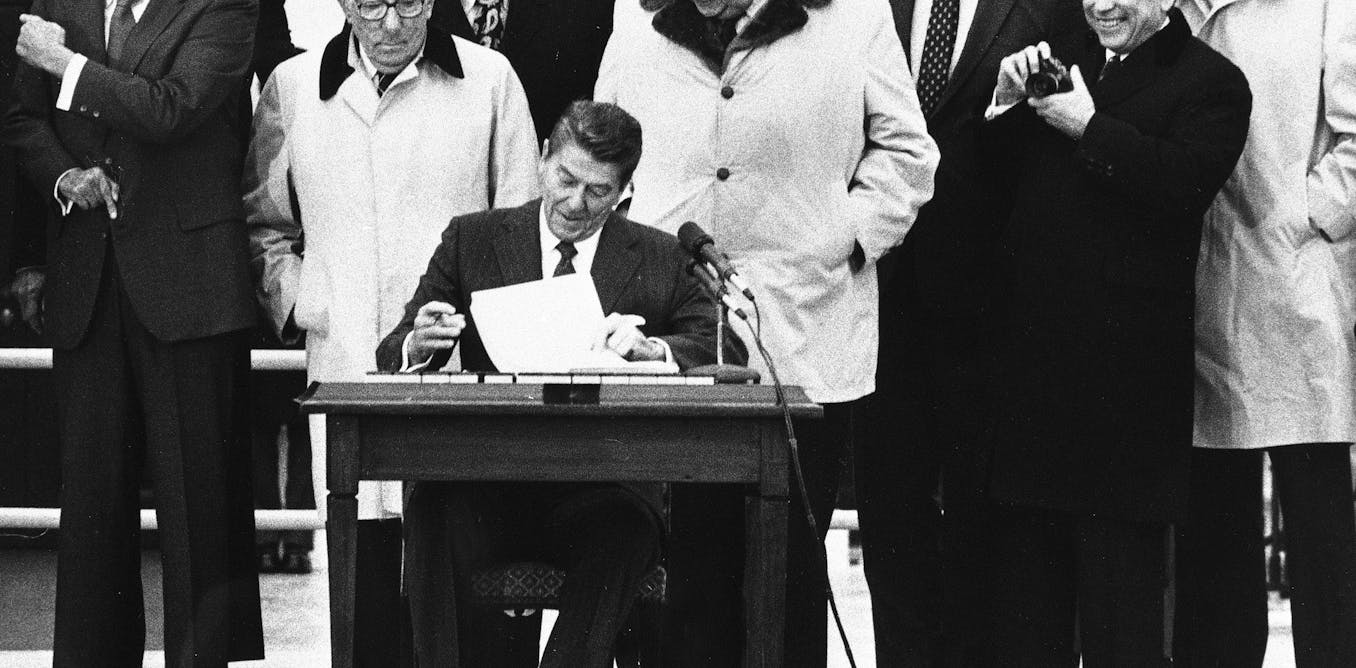
In 1983, a landmark bipartisan agreement was forged under President Ronald Reagan and House Speaker Tip O’Neill, extending the program’s viability through tax hikes and an increased retirement age. Today, the situation is compounded by the federal debt exceeding 100% of GDP, compared to about 35% in the early 1980s. The Congressional Budget Office projects deficits climbing from $1.9 trillion in 2026 to $3.1 trillion in 2036, potentially raising public debt to 120% of GDP.
Servicing this debt is increasingly costly, despite interest rate cuts in 2024 and 2025. Inflation concerns, fueled by oil price surges and geopolitical tensions, are likely to keep borrowing costs high. Financial markets anticipate the Federal Reserve may maintain or even raise rates later this year, further complicating fiscal strategies.
The demographic outlook remains bleak. The ongoing retirement of baby boomers, coupled with longer life spans and declining birth rates, exacerbates the situation. Since 2007, birth rates have dropped by 23%, staying below the replacement level, which means fewer workers will contribute payroll taxes as the retiree population grows.
Immigration, a potential solution for labor force rejuvenation, has also declined. The U.S. Census Bureau reports a reduction of 2.4 million in net migration between 2024 and 2026, attributed to the Trump administration’s immigration policies. The latest report highlights how reduced immigration and fertility affect Social Security’s financial health negatively.
Learning from History
Prior to the 1983 agreement, Social Security was perilously close to insolvency, driven by high inflation, weak wage growth, economic recessions, and demographic pressures. The reforms enacted then, crafted with input from a bipartisan commission led by Alan Greenspan, increased payroll taxes and gradually raised the retirement age. This overhaul, while contentious, demonstrated that bipartisan solutions are feasible and vital.
The lesson from 1983 remains poignant: delay in addressing Social Security’s financial challenges narrows the range of solutions and amplifies economic and political pain. As the slow-motion crisis unfolds, the imperative is not merely to preserve the program but to ensure that decision-makers act promptly to avert a political emergency.