In the wake of the 2026 midterm elections, a renewed spotlight shines on the efforts to increase taxes on the wealthy across the United States. While California’s Proposition 40, a high-profile initiative to tax billionaires, was defeated, other states saw success in measures targeting the rich.
California’s Proposition 40, which proposed a one-time 5% tax on billionaires’ net worth, faced significant opposition. Billionaires, including Google co-founder Sergey Brin, contributed nearly $400 million to sway voters against it. Despite its defeat, University of California, Berkeley economist Emmanuel Saez remarked, “Today oligarchy has won.”
Ballot Measures Favor Income Taxes
While wealth taxes faced challenges, income tax initiatives found more success. In Washington state, voters endorsed a measure to maintain its 9.9% income tax rate on earnings over $1 million. This initiative, known as the “millionaire’s tax,” marks Washington’s first foray into personal income taxation.
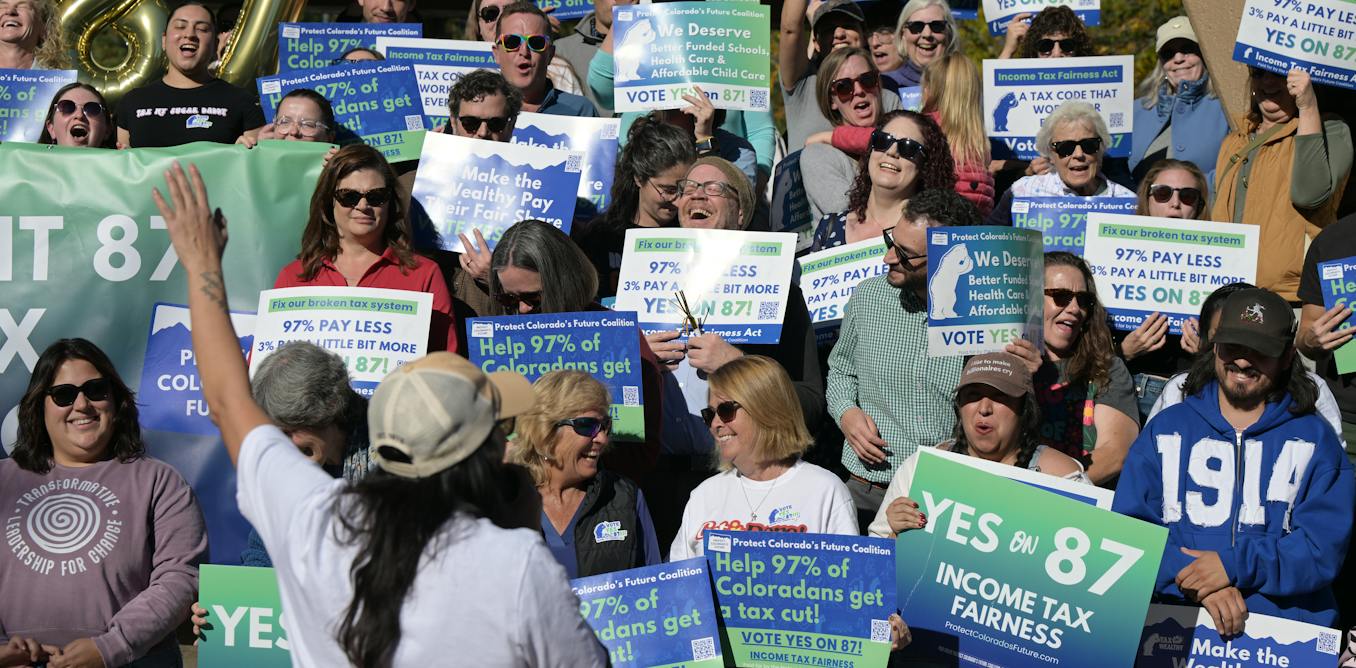
In Colorado, voters rejected a cap on the state’s income tax rate, while approving a graduated income tax system for incomes over $500,000. California, though rejecting Proposition 40, approved Proposition 3, ensuring the permanence of high-income tax rates set in 2012.
Missouri voters dismissed a proposal to eliminate the state’s income tax, which would have resulted in a significant revenue shortfall. Instead, the plan to replace income tax with a sales tax, impacting lower-income residents more severely, was rejected. Conversely, North Carolina and Iowa passed amendments making it harder to introduce taxes on high earners in the future.
Legislative Actions on High Earner Taxes
Beyond ballot measures, state legislatures have also been active. Maine introduced a 1% surcharge on incomes exceeding $1 million, while Hawaii established a 13% tax bracket for high earners. Rhode Island plans to phase in a 3% surcharge on millionaire incomes over three years.
These legislative moves echo earlier actions by states like New York, which implemented high-earner taxes in 2009. Washington, D.C., Massachusetts, and Maryland followed suit in recent years, establishing similar taxes.
Property and Secondary Home Taxes
States and cities are targeting wealthy property owners through taxes on non-primary residences. Montana implemented a tiered property tax system, increasing rates for vacation homes. New York City introduced a “pied-à-terre tax” on high-value homes not serving as primary residences.
Rhode Island enacted a similar tax, and Boulder, Colorado, approved a vacancy tax on homes left empty for more than half the year. However, similar proposals failed in Crested Butte and San Diego.
Why Income Taxes Are Favored
Income taxes remain more popular than wealth taxes due to their simplicity. They rely on existing tax filings, unlike wealth taxes, which require complex asset valuations. While income taxes may not tap into the full wealth of the richest, they are easier to implement.
Future Taxation Directions
Although Proposition 40 did not pass, the general sentiment across the country leans toward taxing the wealthy more. In Illinois, a nonbinding referendum showed strong support for a millionaire tax for property tax relief and education. Even billionaire Bill Gates has advocated for a “billionaire’s tax,” though the form it might take remains to be seen.