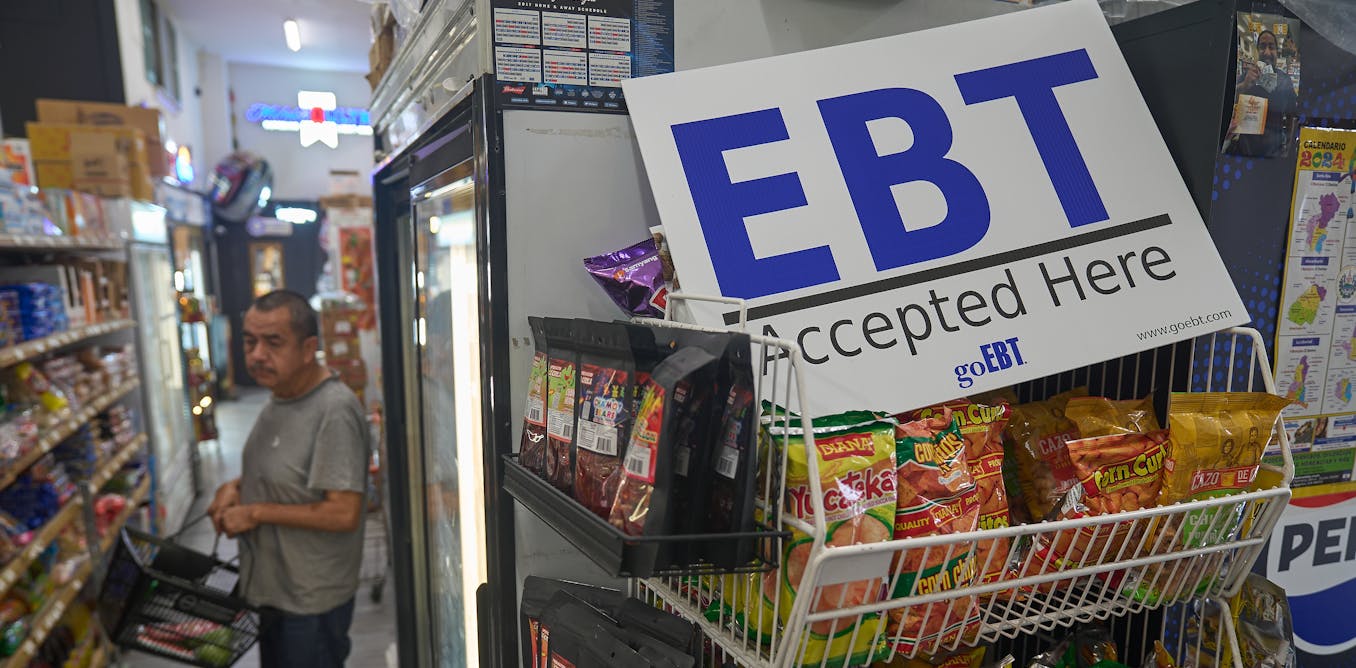
Amid significant changes in food assistance programs, over 250,000 stores nationwide that accept Supplemental Nutrition Assistance Program (SNAP) benefits will need to adjust to new regulations starting November 4, 2026. These rules, issued by the U.S. Department of Agriculture (USDA), will require retailers to broaden their food offerings, including more perishable items.
The updated standards aim to enhance access to healthier food options for SNAP beneficiaries. As noted by government officials, the changes are designed to facilitate more nutritious choices for those utilizing SNAP benefits. However, these stricter requirements may present challenges for certain stores.
Expanded Food Selection Requirements
Previously, SNAP-authorized retailers were required to stock a minimum of three items across four staple food categories: dairy, produce, grains, and protein. Under the new rules, retailers must offer at least seven types of food in each category, with perishables included in three of the four.
The USDA is providing some flexibility in meeting these requirements, allowing items like plain, seasoned, and shelf-stable meats to be counted separately as protein. Specialty retailers, such as bakeries, will still be exempt from the full requirements. However, certain items like beef jerky and butter will no longer qualify under the updated standards.
Large supermarkets are generally already in compliance, but smaller stores, including convenience stores and corner markets, may need to adapt to continue accepting SNAP benefits.
Potential Impact on Small Retailers
Concerns have arisen from both industry groups and anti-hunger organizations about the potential repercussions of these new regulations. These groups warn that small retailers might opt out of SNAP due to the burden of compliance, thus reducing access to food assistance for low-income communities.
Compounding the issue, over 20 states are imposing additional restrictions on SNAP-eligible purchases, barring items like soda, energy drinks, and certain processed foods. Tennessee is even considering bans based on ingredient lists. These restrictions necessitate system updates for retailers to prevent SNAP payments on banned items, potentially prompting some stores to cease SNAP participation altogether.
Decline in SNAP Participation
Retailers are also facing dwindling numbers of SNAP recipients, with a decrease from approximately 42 million beneficiaries in June 2025 to 38 million by February 2026. This decline is attributed to legislative changes under the Trump administration that tightened eligibility and work requirements for SNAP.
The reduction in SNAP usage could lead to lower sales for stores heavily reliant on these benefits, potentially resulting in closures and further limiting access for those in need. Research indicates that reduced access to retailers accepting SNAP correlates with poorer dietary outcomes for beneficiaries.
Support for Healthier Offerings
Efforts to encourage healthier food options in small stores have been ongoing, with initiatives like the Healthy Corner Store Initiative and partnerships in cities like Baltimore and rural areas of North Carolina. These programs often involve logistical support and funding to help stores stock healthier items.
Despite some successes, challenges remain, including the temporary nature of many support programs and the need for store owners to continue new practices independently. Collaborations tailored to community needs have proven most effective, but such assistance is not part of the USDA’s current plan.
Role of Convenience Stores
Convenience stores frequently serve as a key source for quick snacks and beverages, yet the new USDA rules imply a shift away from these typical offerings for SNAP users. Historically, SNAP has aimed to treat beneficiaries like any other consumer, but the new regulations suggest a potential departure from this principle.