Army’s Brain Health Initiative Nears Completion Amid New Cognitive Testing Efforts
In a significant stride towards enhancing cognitive health monitoring, nearly all U.S. soldiers have completed a critical test designed to assess the impact of blast exposure on brain health. This achievement marks a pivotal moment in the Army’s ongoing efforts to prioritize the mental well-being of its service members, as announced in a recent release.
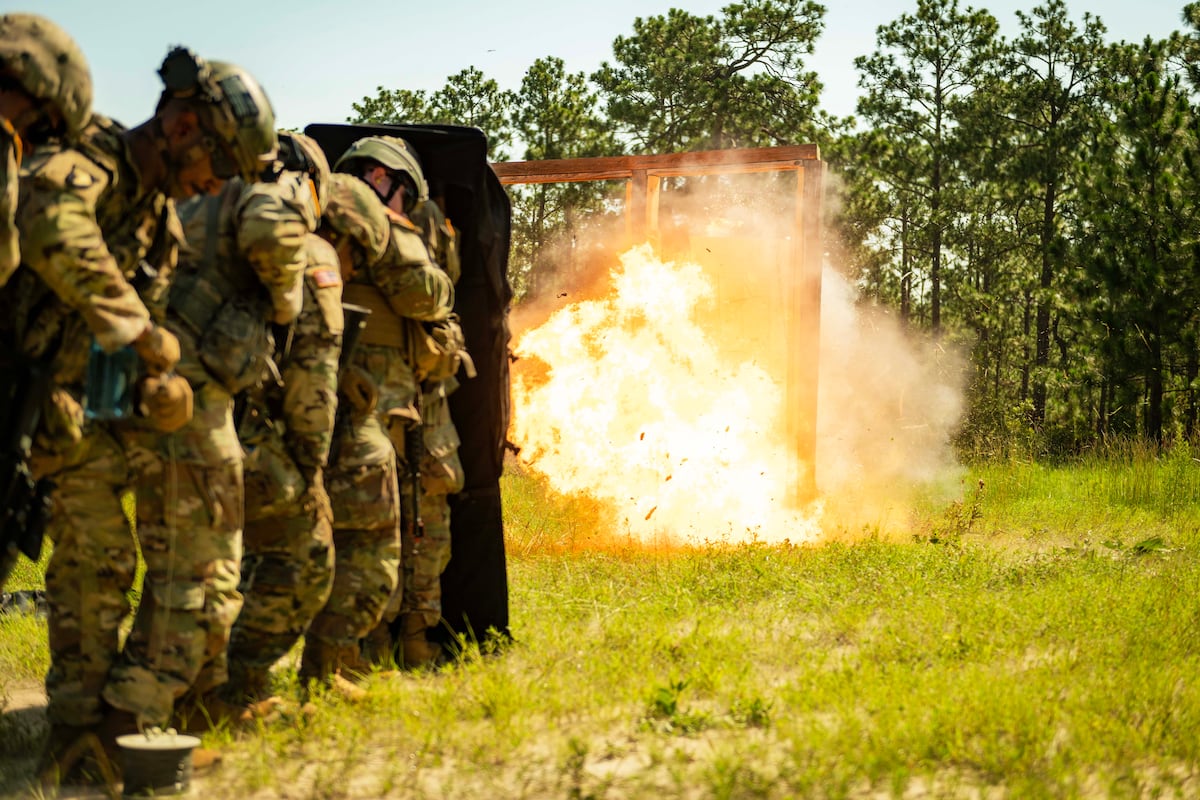
The test, known as the Neurocognitive Assessment Tool (NCAT), is a computer-based evaluation that measures various aspects of neurological functioning, such as attention, concentration, reaction time, memory, processing speed, and decision-making. Initiated in 2024, this testing program was developed in response to reports detailing the potential brain injuries resulting from routine weapons training.
Soldiers serving in high-risk roles, including combat engineers and explosive ordnance technicians, are required to take the assessment annually. Other soldiers undergo testing every three years. This crucial data aids medical professionals in tracking cognitive health over time, making it possible to identify significant changes that might indicate brain injuries.
Jordan Gillis, the assistant secretary of the Army for installations, energy, and environment, emphasized the test’s value, stating, “[The NCAT] is an important part of taking care of soldiers, but what this does is, it sets a baseline for reaction times and for memory.” By establishing these baselines, the Army can better monitor soldiers’ brain health and assist medical providers in offering treatment when necessary.
The Army’s commitment to brain health is further illustrated by the upcoming directive that will encompass the Neurocognitive Assessment Tool and a broader overpressure program. This program includes hazard assessment, exposure tracking, risk mitigation, cognitive monitoring, information management, illness and injury reporting, and educational training.
Gillis noted, “The takeaway is we are trying to take care of soldiers and monitor their health. And if there is an impact, we’ll be able to treat them.” He also highlighted that achieving a testing milestone for 97% of soldiers underscores the Army’s dedication to cognitive safety and medical readiness.
This announcement follows the Government Accountability Office’s recent findings, which identified staff shortages and technological limitations as challenges in meeting the Defense Department’s baseline cognitive assessment requirements across military services. To address these challenges, the Pentagon introduced a one-year pilot program in April. This initiative will test a new app-based cognitive assessment tool that promises to be less resource-intensive and enhance the tracking of blast exposures.