The Army’s Strategic Enhancement of Infantry Squad Vehicles
The U.S. Army is taking significant steps toward enhancing its Infantry Squad Vehicle (ISV) fleet by introducing a heavier, hybrid-powered version. This initiative, outlined in a federal contracting notice, marks a pivotal transition in the Army’s approach to mobile military platforms.
In a move to bolster its existing fleet of approximately 1,105 ISVs, the Army plans to incorporate 606 ISV-Heavy vehicles. This addition will be facilitated through a three-contract effort, reflecting a strategic shift in the deployment of these vehicles, as detailed by the Army Times.
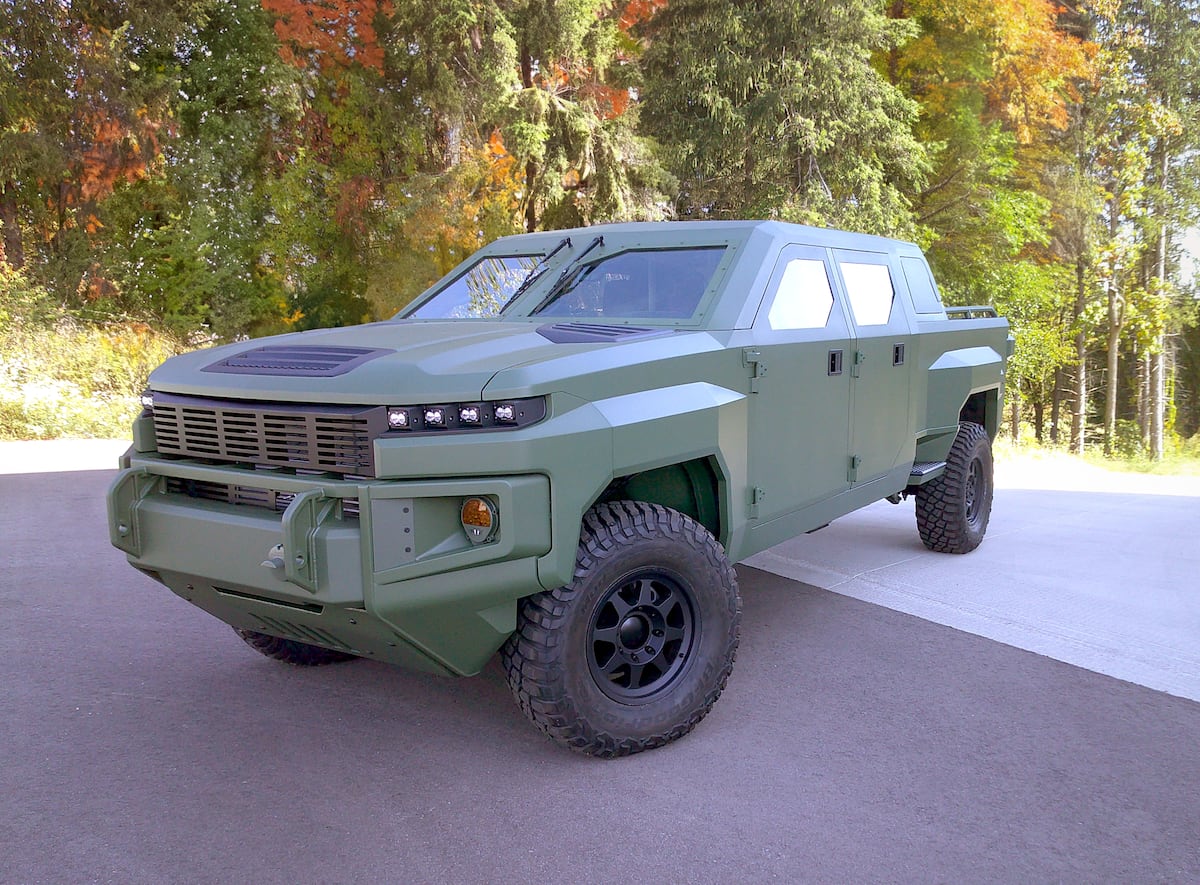
The original ISV was intended for rapid transport of a nine-soldier squad across challenging terrains. However, the new ISV-H is engineered for advanced functionalities beyond troop movement. Its design focuses on generating onboard power and supporting diverse mission systems.
According to a GM Defense factsheet, the ISV-H is versatile enough to serve in various mission areas, including command and control, counter-unmanned aerial activities, medical evacuation, and drone operations.
The hybrid-electric design of the ISV-H introduces “silent drive” and “silent watch” capabilities, providing stealth in high-threat zones while powering necessary equipment.
A significant enhancement of the ISV-H is its power export capability. The Army’s requirements include the ability to generate and export 60 kW of continuous high-voltage DC power, 15 kW of 28V DC power, and 4.8 kW of 120V AC power. This feature effectively transforms the ISV-H into a mobile power station for small units on the move.
Despite its designation, the ISV-Heavy is not an armored variant of its predecessor. Instead, it features a heavier-duty chassis built on the Chevrolet Silverado 3500 HD platform, with the term “heavy” referring to its structural robustness rather than increased armor.
The changes in the ISV-H come with certain compromises. The vehicle’s weight is approximately 9,000 pounds more than the original, and it accommodates fewer passengers. Preliminary models indicate seating configurations ranging from two to six seats, compared to the original ISV’s nine-seat capacity.
The initial phase of the Army’s solicitation process, which involved collecting industry white papers, concluded on April 13. However, timelines for subsequent phases, including presentations and final proposals, remain undisclosed.