
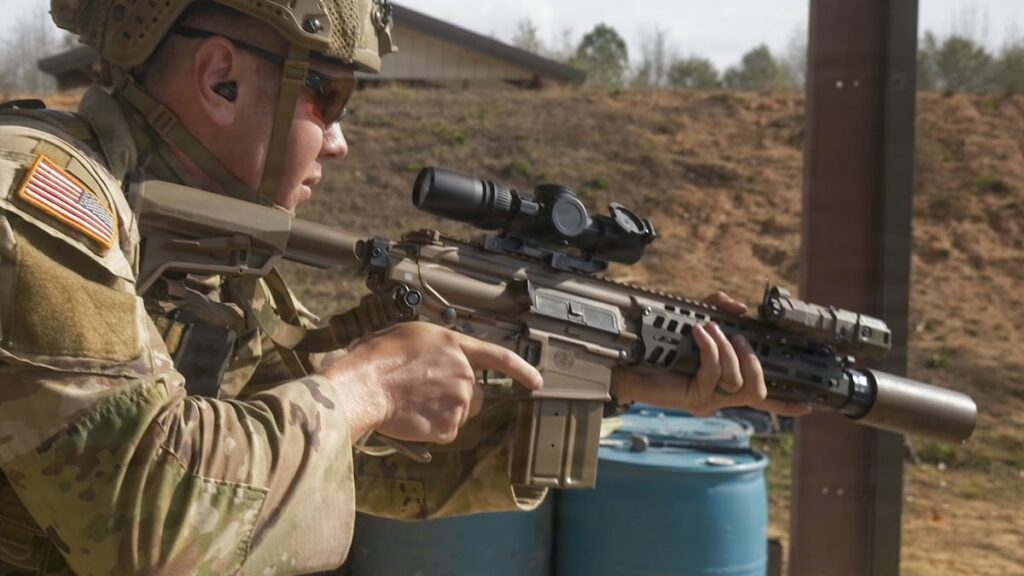
Three significant developments are reshaping U.S. military readiness and operations this week — from a major infantry weapons upgrade to a diplomatic incident in the Pacific and a critical aviation setback.
Posts published in “Army”
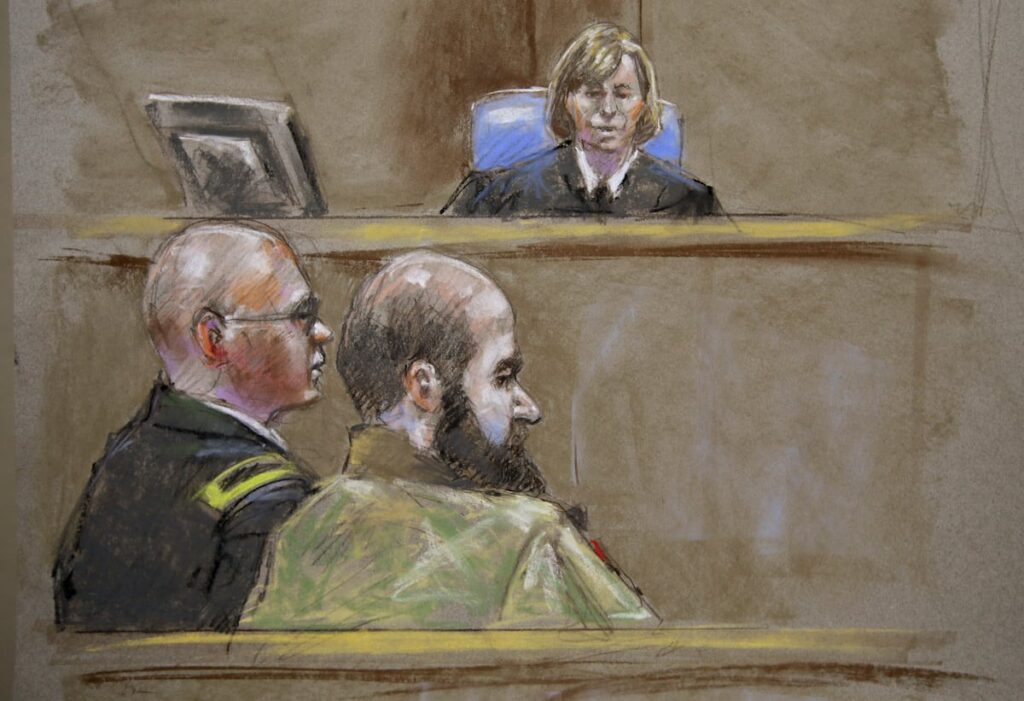
The U.S. military is making headlines on multiple fronts — from a long-awaited execution date for one of the deadliest mass shooters in Army history, to new weapons hitting the field, to a shocking crime overseas that has triggered a command-wide stand-down.

Eight months into Operation Epic Fury, the United States' military campaign against Iran, the toll on American airpower is becoming clearer — and it's significantly steeper than previously known. A newly updated congressional report now counts 81 U.S. military aircraft lost or damaged since the war began on Feb. 28, nearly double the 42 tallied just five months ago.
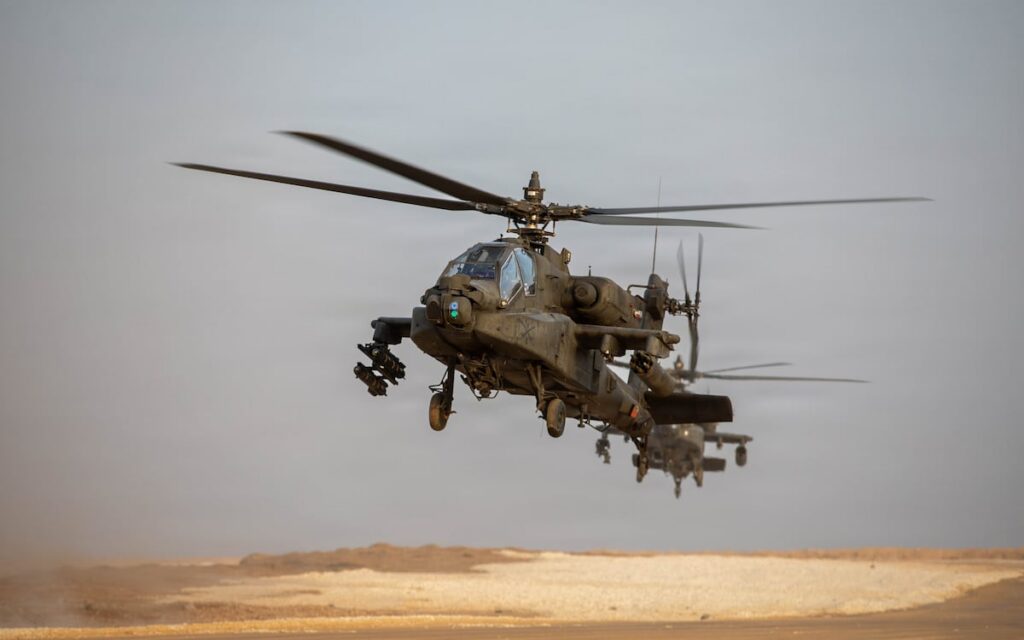
Hundreds of the Army's most advanced attack helicopters are currently sitting on the ground — and they could stay there for months. The widespread grounding of AH-64E Apache helicopters raises real questions about U.S. combat readiness at a time when the military cannot afford gaps in its aviation capabilities.

A Marine stationed in Okinawa, Japan, has been arrested on suspicion of murder, triggering an immediate military-wide response that has halted normal operations across the island and reignited a decades-long debate over the U.S. military presence there.

When a soldier loses their security clearance, the consequences ripple far beyond their career — they can lose the income that pays for their family's health insurance, their children's doctor visits, and the prescriptions that keep a household running. Now, the Pentagon's push to use artificial intelligence to assess whether military and intelligence personnel are trustworthy enough to hold those clearances is raising serious alarms — not just about civil liberties, but about the real-world fallout for families who depend on the financial stability a clearance provides.
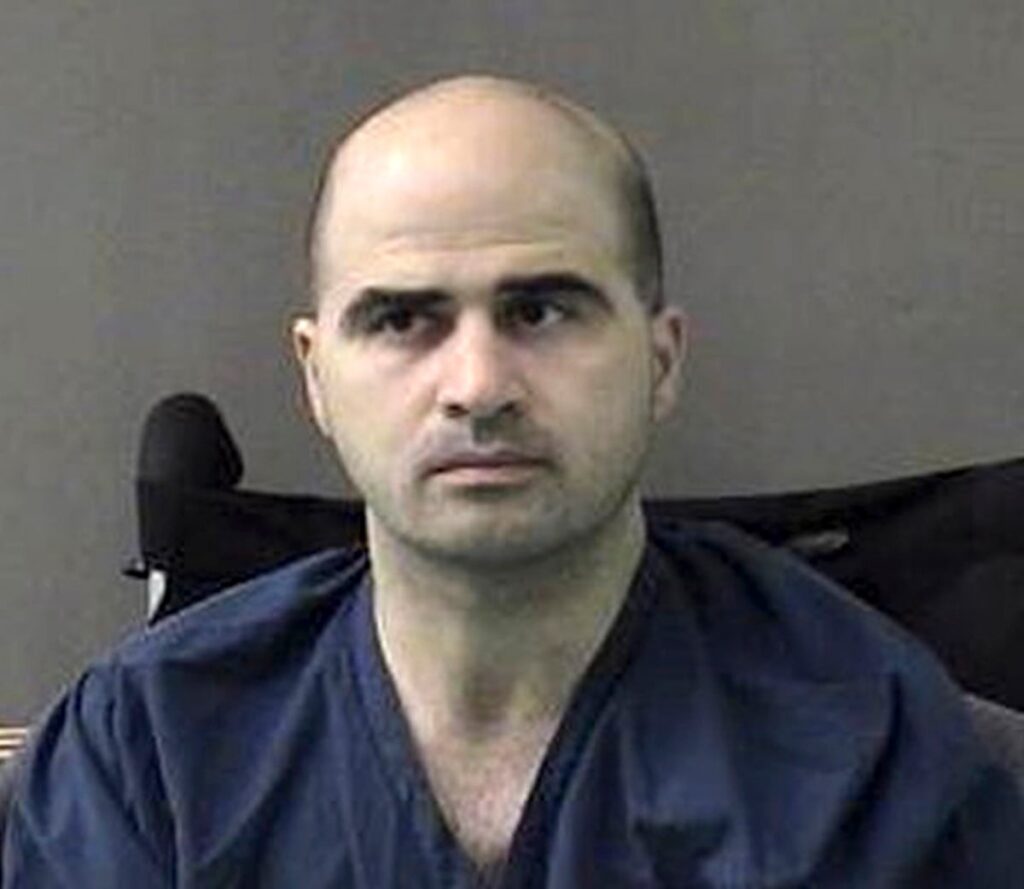
Seventeen years after one of the deadliest attacks ever carried out on a U.S. military installation, the man responsible is finally facing a date with justice. The Pentagon has announced that Nidal Malik Hasan, the Army officer who opened fire on fellow soldiers at Fort Hood, Texas, in 2009, will be executed by U.S. Army firing squad.

A former Army soldier serving a 40-year prison sentence has pushed a legal question all the way to the nation's highest court — one that could reshape how veterans across the country challenge decisions about their benefits. The case raises a fundamental question: when the federal government's own review system may fall short, where does a veteran go for justice?

Kid Rock joined Defense Sec. Hegseth for Army Apache flights at Fort Belvoir, sparking debate over military resource use and taxpayer expenses.
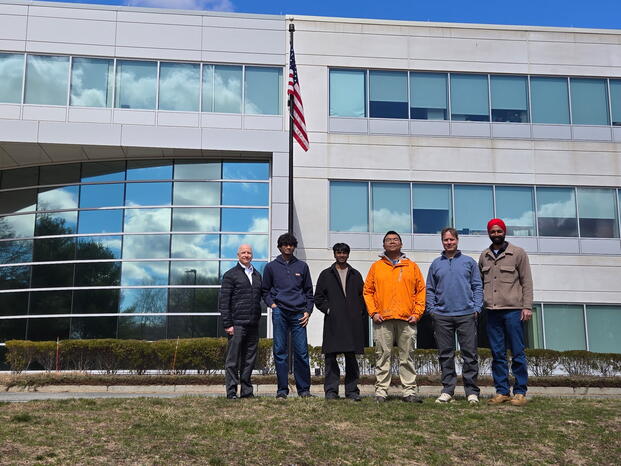
Five men near Boston, led by CEO Kanwar Singh, aim to revolutionize navigation tech with Skyline Nav AI, reducing reliance on GPS.