In a global environment where geopolitical shifts are frequent, China’s response to U.S. and Israeli military actions in Iran highlights its strategic priorities. While China has openly criticized these moves, its focus appears to be more on safeguarding its global economic interests rather than defending Iran.
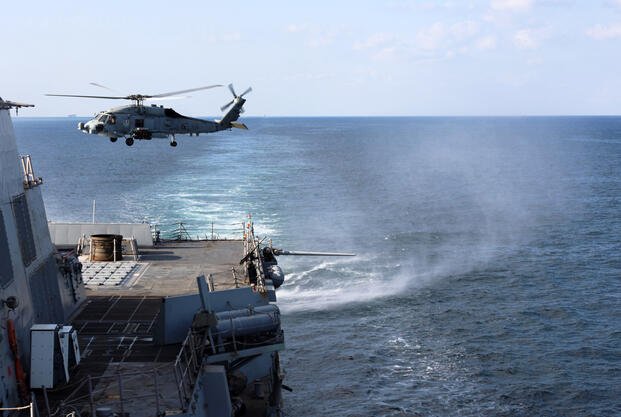
Chinese President Xi Jinping is expected to engage in discussions with U.S. President Donald Trump soon, with an emphasis on trade and regional stability in Asia. Meanwhile, Trump has alluded to using naval forces to secure trade routes.
According to Liu Pengyu, spokesperson for the Chinese embassy in Washington, “The U.S.-Israeli strikes have no UN Security Council authorization and violate international law.” This underscores China’s concern about the situation, as they firmly oppose the use of force in international relations.
Chinese Foreign Minister Wang Yi has been in communication with several international counterparts, including Iranian Foreign Minister Seyed Abbas Araghchi, to address the crisis. Wang’s discussions with Russian Foreign Minister Sergei Lavrov aimed to coordinate an emergency response from the UN Security Council.
In a conversation with Israeli Foreign Minister Gideon Saar, Wang emphasized that the attacks came amid “significant progress” in U.S.-Iran negotiations, warning of “new problems and serious long-term consequences.”
The priority now is to immediately stop military operations and prevent the spread and spillover of the conflict – Pengyu
Pengyu added that “China stands ready to work with the international community to call for peace and stop the conflict, resolve issues through dialogue and negotiations, and maintain peace and stability in the Middle East and the world at large.”
Strait Shutdown Affects Entire World
Yun Sun from the Stimson Center notes that China’s main interest in Iran is its oil, which accounts for about 10% of China’s global imports. However, with China’s energy being over 80% self-sufficient, the broader global market dynamics are also a consideration.
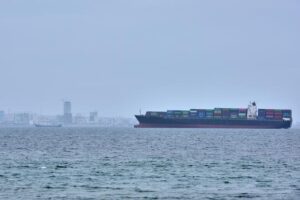
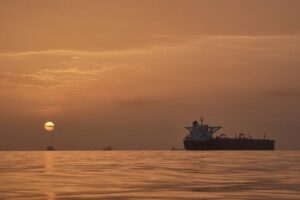
The closure of the Strait of Hormuz is a significant concern, as 20% of the world’s oil passes through it daily. Matt McClain, a petroleum analyst, remarked, “It’s obviously a very big deal,” especially as 10-15% of the U.S.’s energy supply is Middle Eastern oil.
Sun expressed that the disruption at Hormuz poses a significant risk for China, challenging the assumption that oil-producing countries would push for a ceasefire. Despite the tension, China’s relationship with Iran does not equate to an alliance, lacking a mutual defense treaty.
Sun concluded that “Iran is not an ally, and there is no mutual defense treaty,” emphasizing China’s limited capacity to aid Iran and its strategic focus on upcoming summits with the U.S.