Innovative Defense Strategy: Harnessing Nature for Border Security
Imagine using nature itself as a defense mechanism against potential threats. This concept, known as “defensive rewilding,” is gaining attention as a cost-effective and environmentally beneficial approach to national security. By restoring natural landscapes such as wild forests, peat bogs, and wetlands along Europe’s borders, nations could create natural barriers that are difficult for enemy armored units to penetrate, while simultaneously enhancing biodiversity and carbon storage.
In a recent study published in the RUSI Journal, researchers Sam Jelliman, Brian Schmidt, and Alan Chandler detailed how defensive rewilding can serve dual purposes: enhancing security and promoting climate resilience. By planting forests or restoring wetlands strategically, countries can create long-lasting barriers that impact the movement of invading forces even before conflicts begin.
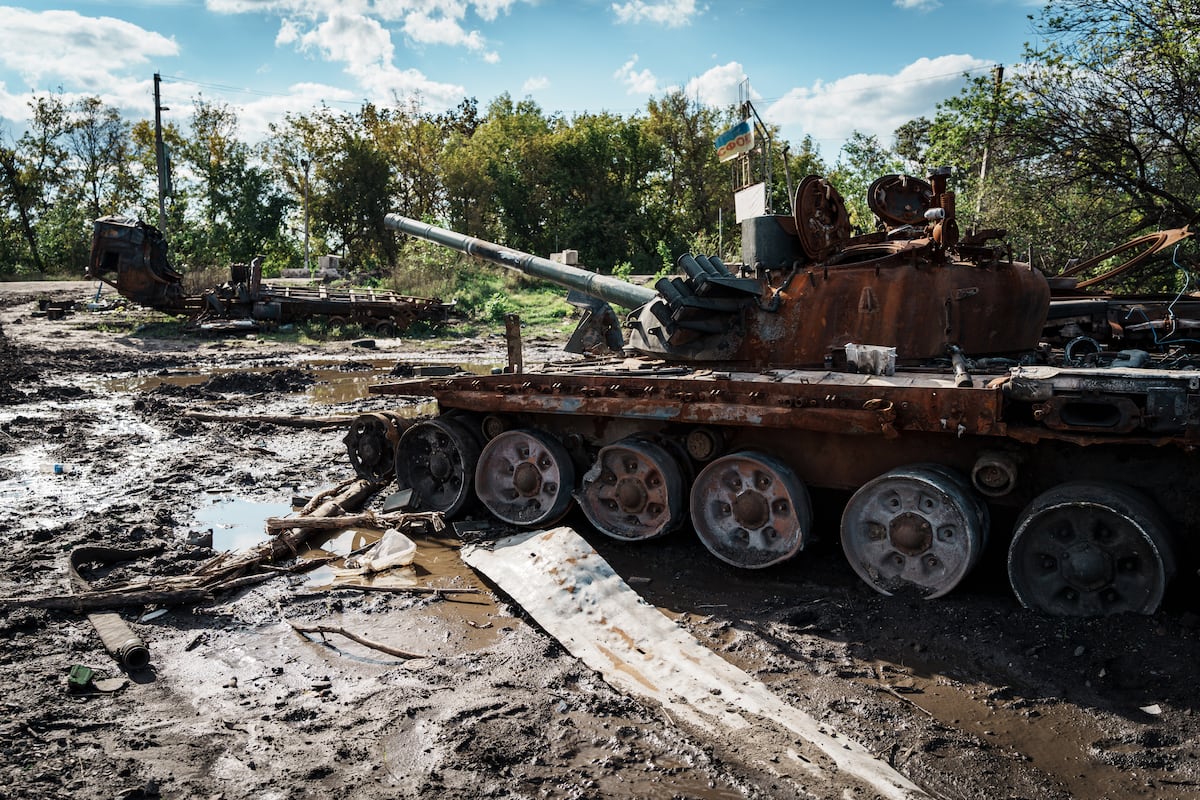
The researchers argue that natural obstacles are more enduring than traditional tactical defenses like minefields or temporary fortifications. Historical instances, such as World War II and the recent Russian invasion of Ukraine, demonstrate how terrain can hinder military offensives. However, this concept requires a “military stamp of approval” to gain widespread acceptance, according to Jelliman, a researcher at the Sustainability Research Institute of the University of East London.
The financial implications of implementing defensive rewilding are also promising. The cost of establishing a kilometer of wetland as a defensive barrier ranges from £90,000 to £540,000 ($120,000-$724,000), significantly less than the £1 million to £3 million required for a concrete anti-tank ditch. These natural barriers are not only less expensive but also less provocative, reducing the risk of escalating regional arms races.
Restored wetlands and peatlands present formidable challenges to military machinery. The soft ground can impede tanks, while the depth of water can obstruct logistical movements. In particular, peatlands have low bearing capacities, often making them impassable even to light armored vehicles. The researchers highlight the Pripet Marshes in Belarus and Ukraine as historical examples of such natural defenses.
Defensive rewilding is not limited to land strategies. For coastal areas, especially in the Pacific region, restoring mangrove forests can prevent the landing of enemy craft and offer protection against tropical storms. Artificial reefs could serve a similar purpose by obstructing landing forces, as seen in the Pacific Theater during World War II.
Rivers can also be rewilded by restoring their natural paths and softening banks, making them challenging to bridge. The researchers point to the Siverskyi Donets River in Ukraine, where natural meanders and forested banks were used effectively against Russian forces in 2022.
While countries like Finland, Estonia, and Poland are exploring the potential of defensive rewilding, further research is needed to establish its practicality and effectiveness. Defense ministries may find value in this strategy, not only for its tactical benefits but also for its contribution to national carbon-reduction objectives.
Jelliman emphasizes the dual benefits of rewilding, stating, “One of the best ways to do carbon offsetting is to restore peatlands, because they’re quite a good, stable, long-term way of locking carbon away.” This approach could help nations meet net-zero targets while enhancing their defense capabilities.
As nations plan substantial defense budgets for the coming decade, integrating defensive rewilding may offer a way to invest in both security and environmental sustainability. “If there’s any way to make this a cheap way of making borders stronger and more resilient, then that would be good,” Jelliman concludes.