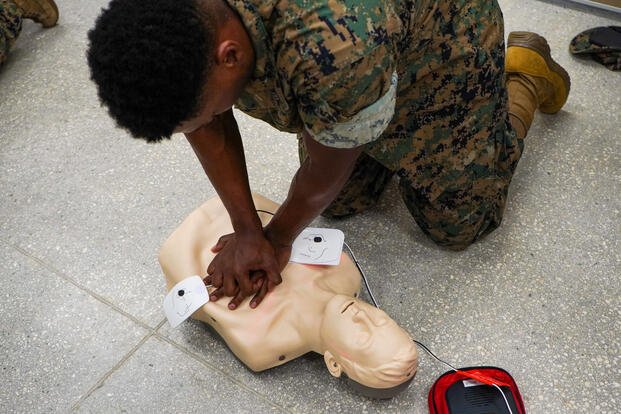
Sudden cardiac arrest remains a significant concern within the U.S. military, consistently ranking as the leading non-traumatic cause of death among young servicemembers. Past research pointed to rates as high as 13 sudden cardiac deaths per 100,000 person-years among recruits. However, recent data from the Department of War, covering fiscal years 2016 to 2019, indicates a reduced rate of approximately 5.9 incidents per 100,000 person-years for those aged 17 to 24, according to the report “Tactical vs. Competitive Athletes: Closing the SCA Gap” by the American College of Cardiology.
Physical exertion is a major factor in these cardiac incidents, exacerbated by the military’s demanding operational environments, which include carrying heavy equipment, enduring extreme conditions, and engaging in unpredictable activities. These factors contribute to a higher risk compared to competitive athletes.
In comparison, NCAA athletes experience sudden cardiac death at a rate of about 2.3 per 100,000 athlete-years, a figure considerably lower than that of military recruits, even before comprehensive preventive measures were introduced. Experts suggest that the disparity is partly due to the structured emergency action plans in place for athletes, which include the availability of automated external defibrillators (AEDs) and well-practiced emergency protocols. Conversely, military operations often take place in remote or challenging environments, complicating the consistent execution of such plans.
Lion Heart Heroes
For over a decade, the Lion Heart Heroes Foundation has been advocating for changes to address these disparities. Laurie Finlayson founded the organization after her son, Marine Lance Corporal David Finlayson, succumbed to Sudden Cardiac Arrest during a training run in Hawaii in 2013. He was 25, and despite immediate resuscitation efforts, he could not be revived.
The foundation has been steadfast in its push for two primary goals: heart screening at the start of service and the availability of AEDs at training locations. Initially, the focus was on advocating for electrocardiogram (ECG) testing, and by 2019, they were pushing for EKGs before boot camp to detect hidden cardiac risks that regular exams might overlook. This effort gained momentum as the military sought to prevent unnecessary losses.
Incremental Successes
By 2020, the Navy had reinstated advanced medical screening for incoming midshipmen at the U.S. Naval Academy. While this screening is just an initial step, it signifies a recognition that traditional history and physical exams are insufficient.
“The Naval Academy was a foot in the door and is a huge success story for implementing early screening,” said Laurie Finlayson.
Concerns about cardiac arrests extend across all military branches, with over 200 active-duty personnel affected annually, impacting readiness across the Army, Air Force, and Marines.
This progress paved the way for legislative changes. The foundation collaborated with lawmakers to incorporate cardiac health measures into National Defense Authorization Acts, initiating pilot ECG programs at service academies and expanding testing for new recruits. The FY25 NDAA also called for a report on AED availability during physical training, a priority for the foundation. Supporters argue that prompt CPR and defibrillation can increase survival rates to over 70% for younger victims, though delays are common in remote training sites.
“ECGs are simple, inexpensive, and take less than 5 minutes, whereas a military death can cost hundreds of thousands of dollars and have devastating consequences for military units and families, and possibly harm readiness.” (2023 letter to Congress representing Laurie Finlayson)
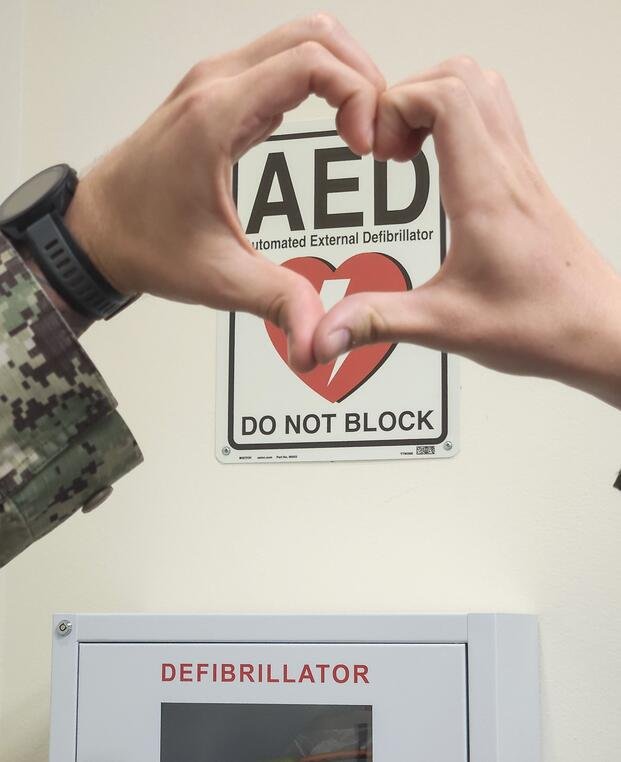
Marine Corps guidelines recommend AEDs in facilities and provide training, yet there is no mandate for devices during all outdoor activities or unit runs. The foundation cites instances where quick access to AEDs was crucial, advocating that Marines in rigorous training deserve the same emergency response resources as those in other high-risk jobs.
New Initiatives
Programs like the ERASE (ECG Risk Assessment to Reduce Sudden Cardiac Events) pilot have screened thousands in the War Department, identifying true risks with few false positives, allowing most to remain on duty. Genetic testing has also helped families make sense of losses. The foundation sees these advancements as complementary but not replacements for having life-saving equipment where physical exertion occurs.
Finlayson and the foundation maintain communication with military leaders and Congress, using data and personal stories to emphasize the costs—both human and operational. As fitness standards intensify to meet current challenges, the foundation continues to push for AEDs as a standard in training preparations.
Recent NDAA language has kept this issue in the spotlight, representing years of gradual progress. The foundation views ongoing report requirements as an opportunity to further highlight data on risks during physical training.