France to Independently Develop New Combat Aircraft, Following FCAS Collapse
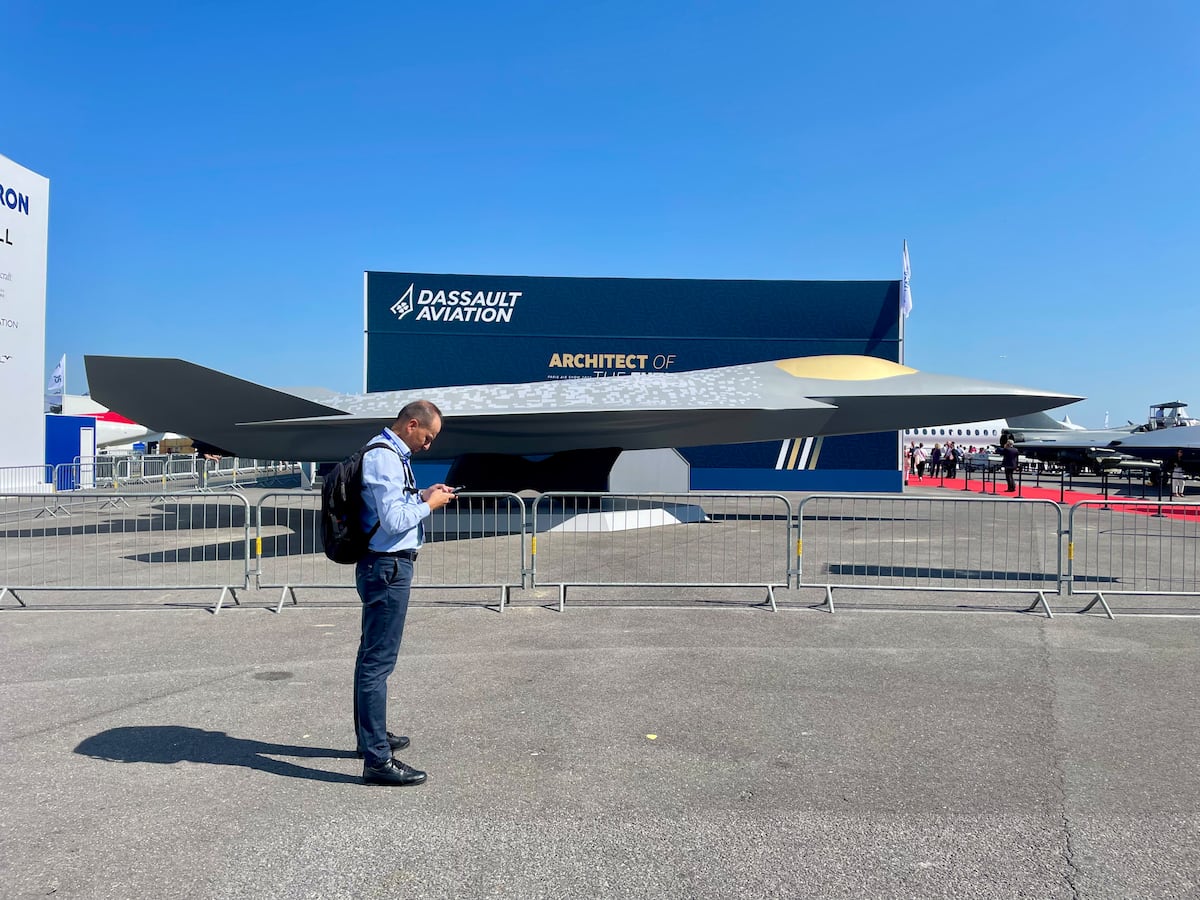
In a significant shift for European military aviation, France announced plans to independently craft a new combat aircraft after the dissolution of a collaborative effort with Germany and Spain. This decision marks a pivotal turn in France’s defense strategy as it seeks to develop the Avion de Combat du Futur (ACF) to succeed the Rafale fighter jets by 2040, according to Air and Space Force Chief of Staff Jérôme Bellanger.
During a hearing with the National Assembly’s defense committee, Bellanger outlined the vision for the ACF as a national endeavor, allowing for potential international partnerships in non-essential capacities. “We’re now moving on to work that will prefigure and enable the birth of this ACF, this future combat aircraft as a national program,” Bellanger stated. The new approach follows the abandonment of the Future Combat Air System (FCAS) project with Germany and Spain due to disagreements over specifications and control.
Despite the setback, France’s defense industry leaders, including Dassault Aviation CEO Éric Trappier, remain confident in their capability to produce the aircraft with partners Safran and Thales, projecting a development cost of under €50 billion (US$56 billion). Trappier emphasized that the expertise gained from the FCAS project would not go to waste and would inform the new national program.
Bellanger highlighted that the ACF will need to be operational by 2040 to meet strategic deadlines, such as carrying the ASN4G hypersonic nuclear cruise missile by 2050. The project also aims to integrate future technologies like stealth and combat cloud capabilities, ensuring interoperability with other European platforms.
The dissolution of the FCAS has left Germany exploring alternatives, including the acquisition of F-35 jets from the US, as they seek successors for their Eurofighter jets. Meanwhile, France is advancing towards a Rafale F5 standard by 2035, which will incorporate elements of the new combat aircraft, including advanced engines and sensors.
In addition to the ACF, France’s Air and Space Force is expanding its drone capabilities. The introduction of MBDA’s Deluge drone in 2027 will establish a squadron of bombing and reconnaissance drones, complemented by interceptor drones for air defense. Plans also include a high-altitude squadron deploying stratospheric balloons for communication and intelligence purposes.
Future military strategies anticipate using waves of low-cost disposable drones to breach enemy defenses, followed by reusable drones for deeper penetrations, combining both kinetic and non-kinetic operations like jamming and deception.
Bellanger underscored the importance of maintaining strong partnerships with Germany and other nations on critical technologies like the combat cloud, to ensure cohesive European defense capabilities. “To strike the enemy on their own turf, we now have to think of overwhelming air defenses with low-cost bombing drones and electronic warfare capabilities such as offensive jamming,” he concluded.