In military history, few figures are as polarizing as Gen. Vo Nguyen Giap. Celebrated for his strategic prowess, yet criticized for his costly tactics, Giap’s legacy is defined by two major battles: the victory at Dien Bien Phu and the unsuccessful siege of Khe Sanh. These battles highlight the evolution of warfare and underscore the role of technology in shaping military outcomes.
Dien Bien Phu: A Turning Point
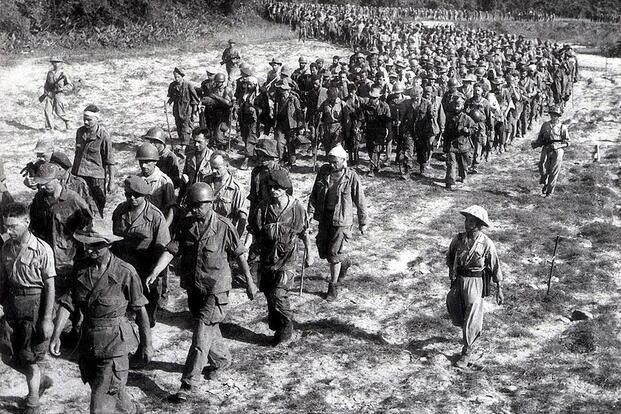
Gen. Vo Nguyen Giap’s ascent as a prominent military commander began with the decisive victory at Dien Bien Phu on May 7, 1954. Over 16,000 French troops capitulated to Giap’s forces after an arduous 57-day siege, marking the end of French colonial aspirations in Indochina and catapulting Giap to hero status among communist allies.
His strategic acumen was evident when, in 1953, France, under Gen. Henri Navarre, aimed to secure a victory to justify its costly war in Indochina. Navarre’s forces established a fortified base in Dien Bien Phu, expecting their airpower to suppress the Viet Minh. However, Giap orchestrated a meticulously planned siege, mobilizing 60,000 troops and covertly positioning artillery on the surrounding heights. When the Viet Minh artillery began its assault on March 13, 1954, the French were caught off guard. The airstrip was quickly incapacitated, crippling French resupply efforts.
Giap’s tactics led to a French surrender on May 7, 1954, after exhausting their resources and morale. This victory demonstrated that a guerrilla force could defeat a Western power, setting the stage for future conflicts.
Khe Sanh: A Different Outcome
Fourteen years later, Giap sought to replicate his success against a new adversary: the United States. In January 1968, Giap deployed experienced divisions against the isolated Khe Sanh Combat Base, hoping to force an American retreat similar to the French withdrawal. However, this time the outcome was different.
Unlike the French, the U.S. Marines occupied the high ground at Khe Sanh, giving them a strategic advantage. American airpower played a crucial role, with helicopters and aircraft delivering supplies and conducting precision strikes against North Vietnamese positions. Operation Niagara saw 24,000 tactical sorties and over 2,700 B-52 bomber runs, dropping 75,000 tons of bombs on enemy forces.
Despite enduring a grueling 77-day siege, the U.S. forces held firm. The North Vietnamese suffered heavy casualties, estimated between 5,000 and 10,000, while U.S. losses were around 500. The siege was lifted with Operation Pegasus, marking a failure for Giap’s strategy.
Lessons from the Battlefield
The divergent outcomes of Dien Bien Phu and Khe Sanh underscore the impact of technological advancements in warfare. Giap’s reliance on sheer numbers and strategic positioning was effective against the French but faltered against the technological superiority of the U.S. military.
While Giap’s tactics at Khe Sanh did not achieve a military victory, they contributed to a strategic success by undermining American public support for the war. As Giap noted, the goal was to break the will of the American government rather than achieve a direct military victory.
Giap’s enduring influence is evident in his ability to adapt and evolve his strategies, shifting focus from conventional battles to guerrilla warfare and political maneuvers. His legacy as a military commander is complex, reflecting both his successes and failures on the battlefield.