Amid Tensions, Iran and U.S. Inch Closer to Nuclear Accord
As geopolitical tensions simmer, Iran’s Foreign Minister Abbas Araghchi announced a nuclear deal with the United States is “within reach, but only if diplomacy is given priority.” His remarks come as negotiations persist against a backdrop of increased U.S. military presence in the Middle East.
In a bid to break the stalemate, U.S. and Iranian representatives are convening in Geneva. Prior discussions in Washington between President Donald Trump and Israeli Prime Minister Benjamin Netanyahu highlighted a persistent divide: whether talks should solely address uranium enrichment or extend to Iran’s missile capabilities and regional influence. Netanyahu advocated for broader restrictions, whereas Trump emphasized the necessity of pressure, warning of severe consequences should negotiations falter.
Despite outreach efforts, Military.com did not receive responses from the White House, Department of State, Department of Defense, Israeli Embassy in Washington, Iran’s Foreign Ministry, or the International Atomic Energy Agency.
Indirect discussions, initially hosted by Oman, have laid the groundwork for subsequent negotiations. Iranian officials described these as a promising start, though deep-rooted mistrust remains a significant hurdle.
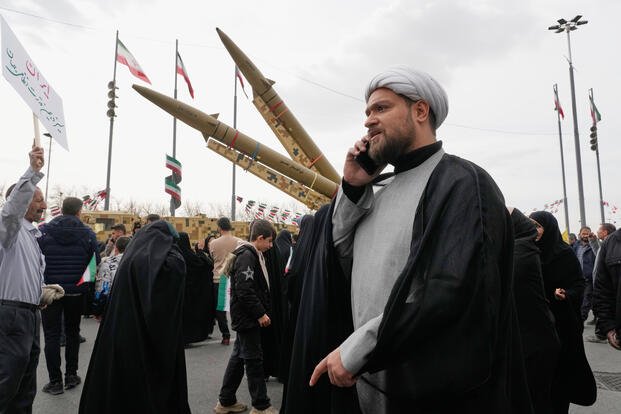
As talks shifted to Geneva, Iran demonstrated its military capabilities with a temporary closure of the Strait of Hormuz for live-fire exercises, a move they described as part of a broader strategic posture amid mounting U.S. military activities in the region. The show of force coincided with ongoing discussions.
Iran has consistently maintained that its missile program is beyond the purview of these talks, categorizing it as a defensive measure distinct from nuclear negotiations. However, U.S. officials continue to advocate for a comprehensive approach that includes missile limitations.
As of now, no framework or implementation timeline has been officially disclosed.
Netanyahu Pushes for Broader Restrictions
Following the meeting at the White House, Netanyahu expressed Israel’s stance that Iran’s missile capabilities and regional influence are inseparable from its nuclear ambitions.
Israeli authorities argue that simply limiting uranium enrichment falls short of addressing the broader threat posed by Iran’s alliances and missile reach.
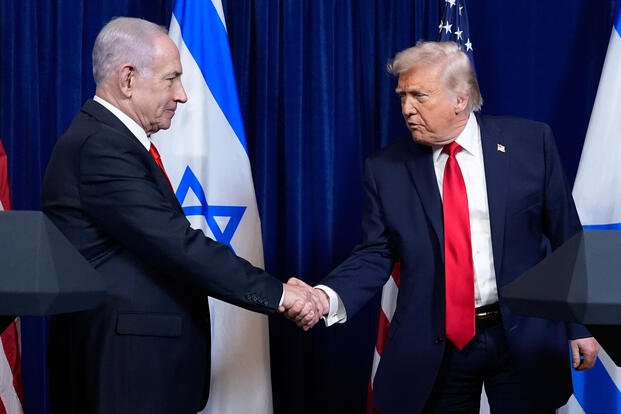
Trump’s comments following the meeting underscored a negotiation strategy that integrates missile constraints with nuclear talks, reflecting the complex political climate surrounding the negotiations.
Currently, there has been no official indication of Israeli military actions linked to these discussions.
Military.com reached out to the Israeli Embassy for feedback, but there was no response.
U.S. Lawmakers Demand Detailed Briefings
Following the discussions at the White House, members of Congress called for more detailed briefings to understand the scope and requirements of any potential agreement, particularly regarding verification, enforcement, and potential sanctions relief.
While Congress does not directly negotiate international treaties, it holds significant power over sanctions and funding, critical elements that could influence the success of any agreement. Lawmakers from both parties have stressed the importance of comprehensive inspection protocols, snapback sanctions, and explicit criteria for violations.
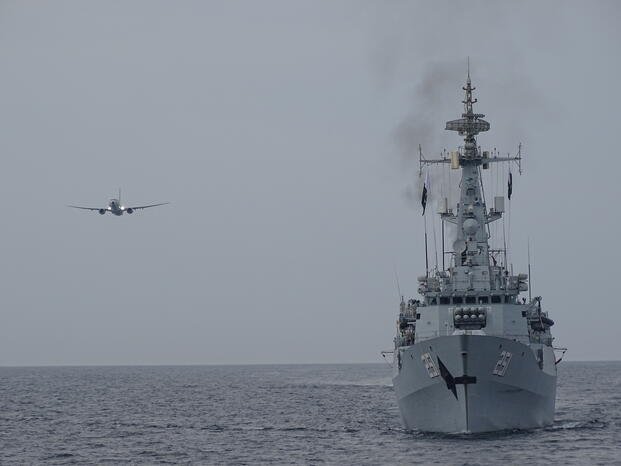
The military backdrop remains a constant presence in the ongoing diplomacy. Defense officials have previously augmented U.S. naval forces in the region, indicating the rapid escalation capability aligned with diplomatic efforts.
Iran, too, has resorted to military gestures, such as live-fire drills and closing the Strait of Hormuz, while talks are underway in Geneva. These actions coincide with the ongoing negotiations.
Officials have yet to publicly associate specific military maneuvers directly with the current diplomatic discussions.