The Need for Expanded U.S. Air Force Capabilities in the Pacific
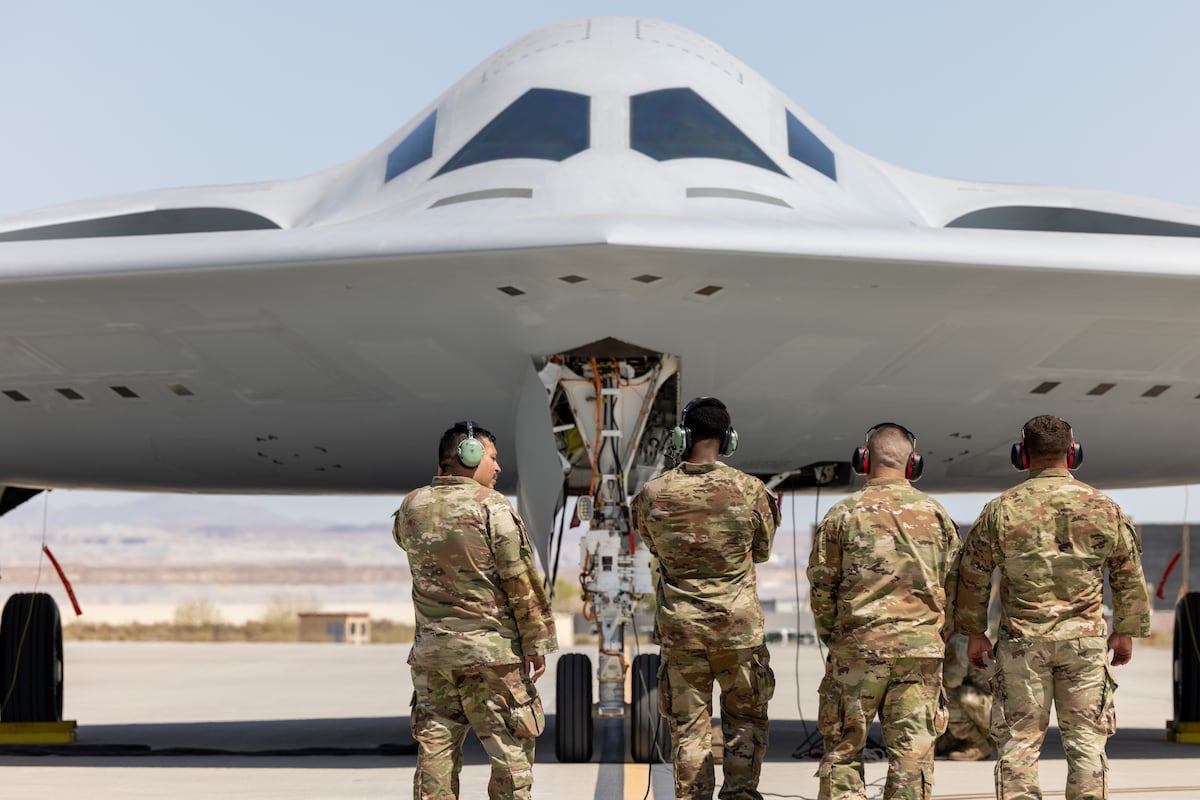
The dynamics of global military power are shifting, and the U.S. Air Force faces a critical decision regarding its fleet. To effectively counter potential threats from China, the Mitchell Institute for Aerospace Studies emphasizes the necessity for the U.S. Air Force to acquire more sixth-generation fighters and bombers than previously planned. The institute’s policy paper, “Strategic Attack: Maintaining the Air Force’s Capacity to Deny Enemy Sanctuaries”, suggests a specific increase in the number of F-47 fighters and B-21 Raider stealth bombers.
Currently, the Air Force intends to purchase a minimum of 185 F-47 fighters and 100 B-21 bombers. However, the Mitchell Institute argues for a more robust fleet of at least 300 F-47s and 200 B-21s to effectively counter China’s growing military influence. Heather Penney, a former F-16 pilot and director of research at the Mitchell Institute, highlighted the risks faced by militaries that fail to target enemy bases, citing historical precedents like the Korean and Vietnam wars.
Penney warned, “China is deliberately building the capabilities and the posture to effectively make the entire western Pacific their sanctuary.” The implication is clear: without the ability to challenge such sanctuaries, the U.S. risks strategic disadvantages in potential conflicts.
Recent U.S. military operations, such as the successful Midnight Hammer strike on Iran’s nuclear facilities, showcase the Air Force’s capabilities but also reveal limitations. The operation utilized the entire fleet of available B-2 Spirit stealth bombers, leaving no room for replacements in the event of losses. Penney noted that a similar operation against a more formidable adversary like China would pose even greater challenges due to advanced air defenses.
To address these challenges, the Mitchell Institute advocates for interim measures to sustain combat airpower until the B-21 and F-47 fleets are sufficiently large. This includes delaying the retirement of legacy B-1 and B-2 bombers until at least 100 B-21s are operational. Moreover, the institute calls for increased funding from Congress and the Pentagon to expedite B-21 procurement.
In addition to sixth-generation aircraft, the Air Force is urged to enhance its procurement of fifth-generation F-35A Joint Strike Fighters and F-15EX Eagle II jets. Penney suggests purchasing 74 F-35As and 24 F-15EXs annually to recover from past reductions in force size. She stated, “The Air Force must reverse its fighter crisis and procure F-35s and F-15EXs at maximum rates: No more ‘divest to invest.’”
The report further recommends a bomber fleet of at least 300 aircraft, implying the need for 224 B-21s, alongside the upgraded B-52 Stratofortresses. This strategy aims to prepare the Air Force for a two-bomber fleet, replacing the B-1s and B-2s slated for retirement in the coming decade.