Saab and Bombardier Set to Replace NATO’s E-3A Sentry Fleet with GlobalEye
NATO is on the brink of a significant shift in its airborne surveillance strategy as it prepares to replace its longstanding Boeing E-3A Sentry aircraft with the GlobalEye platform. This change signals a new era for the alliance, marking the first instance since 1982 that a non-Boeing aircraft will take on the role of NATO’s primary airborne surveillance system. The decision, confirmed by La Lettre and the German press agency DPA, reflects a broader move towards increased European strategic autonomy.
The route to this decision was not straightforward. Initially, in November 2023, NATO had opted to award the contract to Boeing’s E-7A Wedgetail without a competitive bidding process, citing its immediate availability and operational suitability. However, Saab CEO Micael Johansson criticized the process as “rushed,” asserting that the decision seemed predetermined before Saab’s GlobalEye proposal was even reviewed.
Unexpected developments in Washington played a crucial role in altering the landscape. The U.S. Air Force decided to exclude the E-7 from its fiscal 2026 budget, citing issues such as delays, cost overruns, and concerns about its effectiveness in contested zones. The focus shifted towards space-based surveillance and the acquisition of more E-2D Hawkeye aircraft. By November 2025, European NATO members, spearheaded by the Netherlands, decided to abandon the Wedgetail purchase. Dutch State Secretary for Defense, Gijs Tuinman, emphasized the U.S. decision underscored “the importance of investing as much as possible in European industry.” (source)
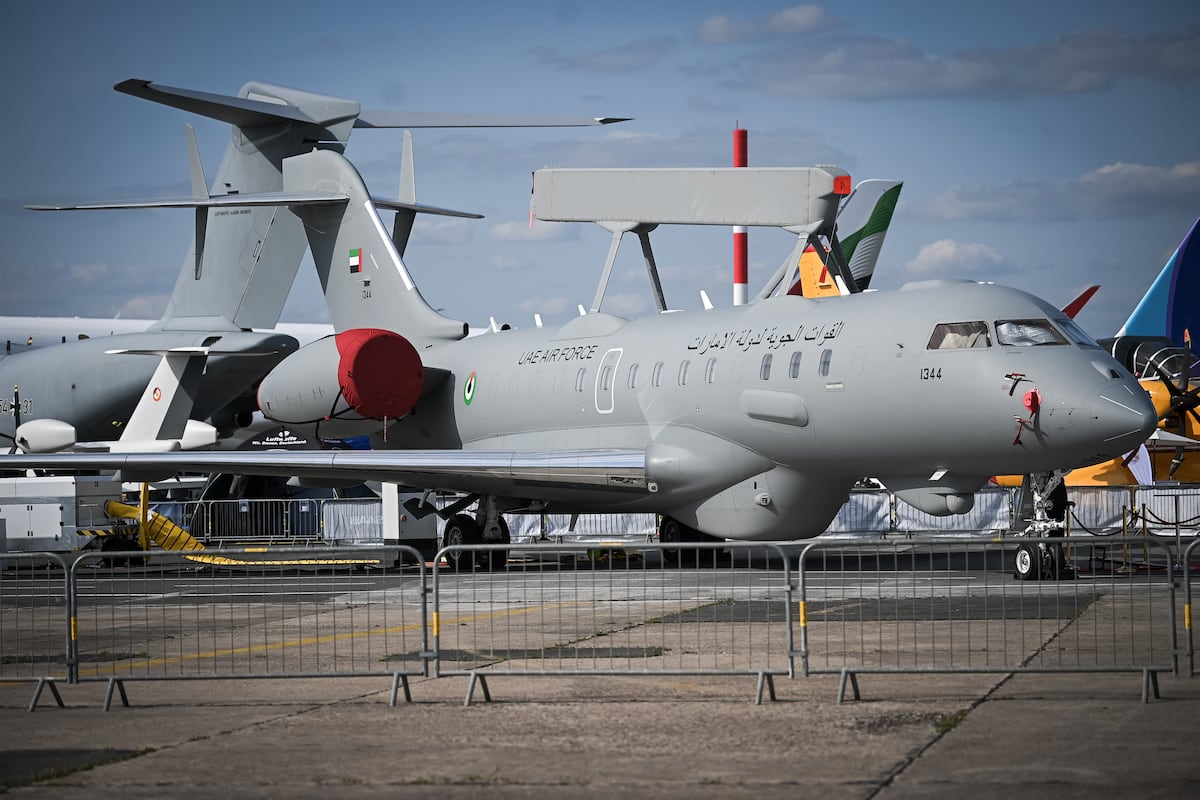
The GlobalEye platform, a product of Saab in collaboration with Bombardier, features the Erieye Extended Range radar system. Mounted on a Bombardier Global 6000 or 6500 airframe, it boasts a detection range of over 550 kilometers, covering air, sea, and land. NATO’s procurement agency is reportedly considering purchasing between 10 and 12 of these aircraft, each costing approximately €550 million ($643 million), bringing the total acquisition cost to potentially over €5 billion ($5.84 billion) before additional expenses such as sustainment and training.
The momentum behind the GlobalEye has been growing, with France securing a contract for two units with the possibility of acquiring two more in December 2025. Additionally, Saab has noted interest from both Poland and Germany, and Canada is contemplating a purchase of up to six units.
Despite these advancements, the deal has not yet been finalized. Mattias Rådström, Saab’s head of media relations, confirmed to AeroTime that no formal contract has been signed, leaving the official announcement pending from NATO.
Rudy Ruitenberg in Paris contributed to this report.
“`