The Pentagon Bolsters Middle East Presence Amid Rising Tensions
In response to escalating tensions in the Middle East, the Pentagon has directed the deployment of Marines and amphibious warships to the region. This move comes as the Strait of Hormuz, a critical maritime chokepoint, becomes a flashpoint for conflict affecting global oil supplies.
The deployment aims to position a Marine rapid response force near the strategic waterway as Iran’s aggressive actions against commercial shipping intensify. The presence of U.S. and Israeli military operations targeting Iranian assets further complicates the situation. This strategic positioning provides military leaders with a range of options for maritime security, potential evacuations, and limited operations without the necessity of deploying large ground forces.
While specifics on future movements remain undisclosed for operational security reasons, a Defense Department official confirmed the deployment to Military.com.
Iran has retaliated against U.S. and Israeli actions with missile and drone strikes on military and commercial targets in the region. Several attacks near the Strait of Hormuz have increased fears that the conflict could disrupt international trade routes.
U.S. Marines Ready for Potential Crisis Response
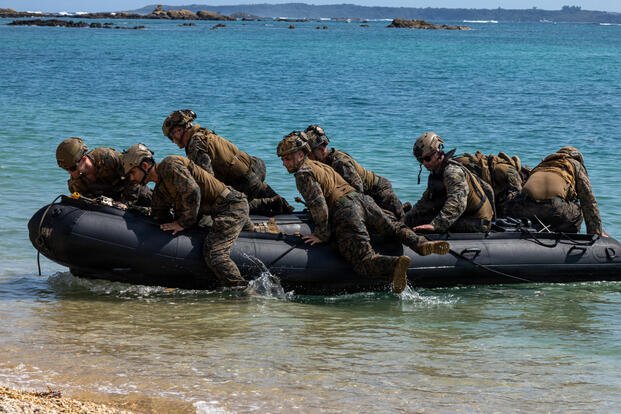
The deployment involves the 31st Marine Expeditionary Unit and the USS Tripoli (LHA-7). This force could consist of about 2,500 Marines, alongside sailors operating amphibious ships. These units are designed to respond quickly to crises, equipped with infantry, aviation, and logistics components to sustain operations.
The ability of Marine expeditionary forces to remain offshore provides commanders with flexible response options, enabling them to react swiftly to threats against commercial vessels, diplomatic facilities, or civilians.

This deployment marks a shift in Marine presence, with units typically stationed in the western Pacific now moving towards the Middle East. This realignment supports U.S. efforts to address the escalating situation with Iran.
Impact on Global Oil Markets
Iran’s increased aggression near the Strait of Hormuz, a vital conduit for 20% of the world’s oil supply, has caused significant disruptions. Missile strikes and drone attacks have affected tanker traffic, prompting shipping companies to reconsider routes through this critical energy corridor.

The turmoil has sent oil prices soaring above $100 per barrel, as fears of supply disruptions mount alongside increased insurance costs for vessels navigating the strait. The strategic significance of the Strait of Hormuz has intensified amid the ongoing conflict, with even minor disruptions potentially impacting global energy markets.