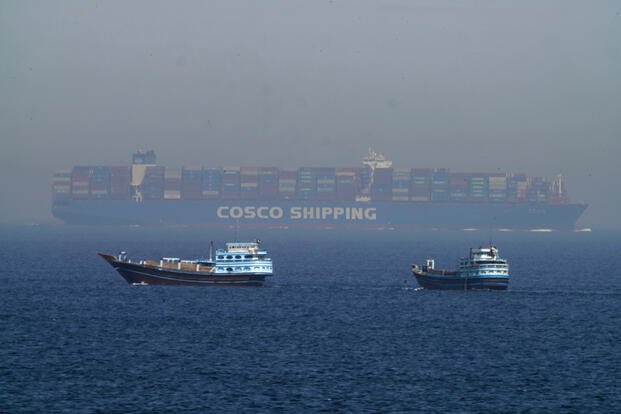
Amid rising geopolitical tensions, the Strait of Hormuz, a critical maritime passage, is once again under the spotlight. As Iran prepares for a military exercise, the global shipping community braces for potential disruptions in this vital corridor that facilitates the flow of a significant portion of the world’s oil supply.
Iran’s announcement of a live-fire drill in the Strait of Hormuz this Sunday and Monday has prompted warnings from the U.S. military’s Central Command. The upcoming exercise threatens to affect the passageway through which one-fifth of the world’s oil transits, situated between Iran and Oman. The U.S. has cautioned Iran about any “unsafe and unprofessional behavior” that could escalate tensions or disrupt maritime activities.
The Strategic Strait
The Strait of Hormuz is a narrow waterway, only 33 kilometers (21 miles) wide at its tightest point, connecting the Persian Gulf to the Gulf of Oman. Despite territorial claims by Iran and Oman, it is recognized as an international maritime route. The region’s importance is underscored by the proximity of the UAE, known for its bustling city of Dubai.
Historical and Modern Trade Significance
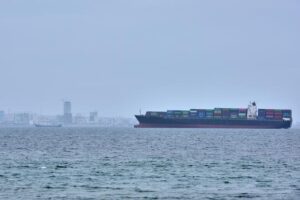
Historically, the Strait of Hormuz has served as a vital trade route, facilitating the movement of goods like ceramics and textiles. Today, it remains a crucial channel for oil transport. Although alternative pipelines exist in Saudi Arabia and the UAE, the U.S. Energy Information Administration notes that the majority of oil and gas passing through the strait lacks alternative routes. Past threats to this passage have caused fluctuations in global energy prices.
Iran’s Planned Military Exercise
A radio message to mariners indicated that Iran’s naval shooting exercise might encroach upon the Traffic Separation Scheme within the strait. This scheme is a critical maritime traffic management system, with a northern lane reserved for inbound ships. The drill, which could involve Iran’s Revolutionary Guard and its fleet of fast-attack vessels, coincides with existing tensions between Iran and the U.S. Navy.
U.S. Military’s Response
The U.S. military’s Central Command released a stern warning to Iran on Saturday, highlighting the potential risks posed by the drill. While acknowledging Iran’s rights to operate in international waters, the U.S. emphasized its readiness to respond to any threats against its warships or commercial vessels. The command, responsible for the U.S. Navy’s 5th Fleet based in Bahrain, reiterated that America possesses “the most highly trained and lethal force in the world.”
Underlying Tensions
The backdrop of these developments includes heightened U.S.-Iran tensions over Iran’s domestic policies and nuclear ambitions. U.S. President Donald Trump has signaled potential military action against Iran, particularly in response to its crackdown on protests. The presence of the USS Abraham Lincoln aircraft carrier in the Arabian Sea underscores the possibility of a military confrontation. Iran, in turn, has warned of retaliatory measures, including strikes against American and Israeli interests in the region.