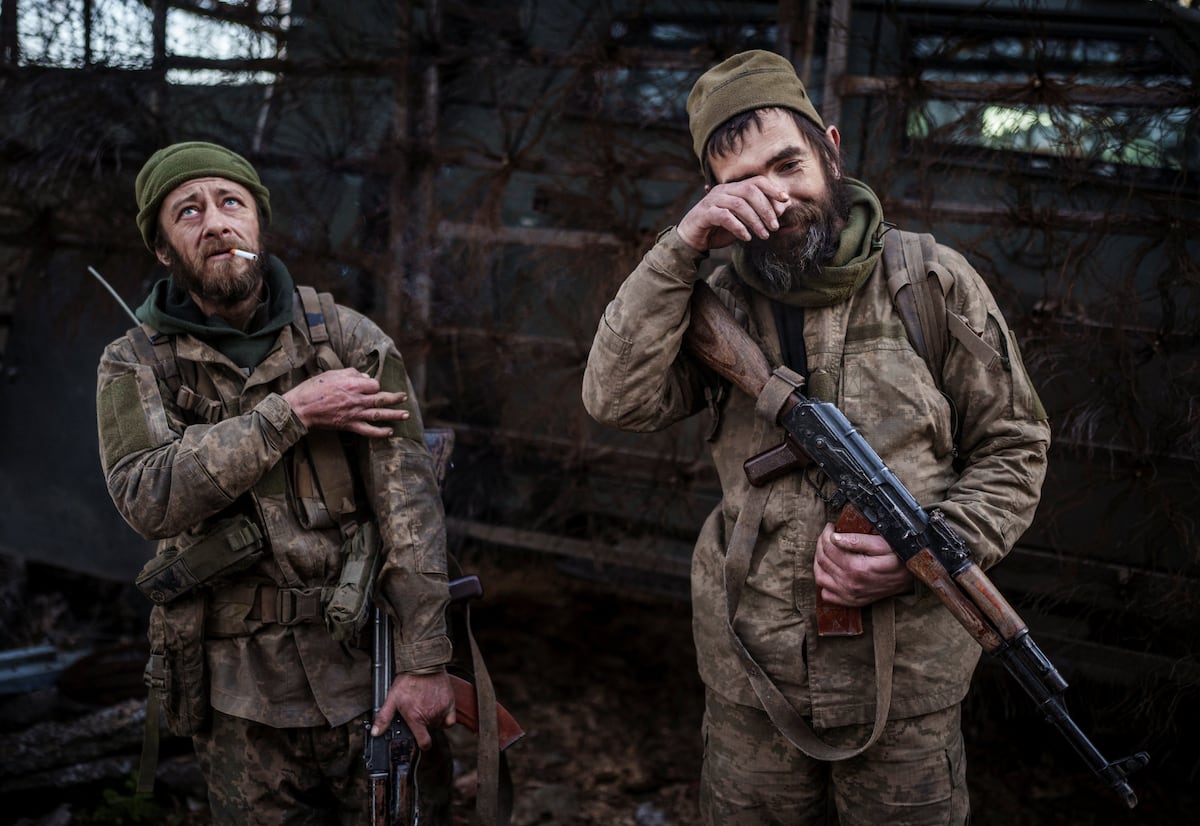
In a bold move to address the challenges faced by Ukraine’s military personnel, General Oleksandr Syrskyi has introduced a new policy limiting front-line duty to two months. This decision follows public outcry over the harsh conditions faced by soldiers on the battlefield.
The Ukrainian military, currently in its fifth year of conflict with Russia, faces numerous challenges, including the increasing use of drones that have reshaped combat strategies along the 1,200-km (745-mile) front line. In response, Syrskyi’s decree mandates that soldiers serve for a maximum of two months in forward positions before a mandatory rotation within one month.
According to Syrskyi, “Commanders must ensure that conditions are in place for service personnel to remain at their posts for up to two months, followed by a mandatory rotation, which must take place within one month.” The general emphasizes that timely rotations are crucial for both the safety of soldiers and the integrity of Ukraine’s defense efforts.
Challenges of Sustenance and Supply
Recent images of undernourished soldiers from the 14th Separate Mechanized Brigade have highlighted the hardships faced by troops, some of whom have been left for extended periods without adequate food and water. In some instances, soldiers resorted to drinking rainwater, leading to the dismissal of brigade and corps commanders by Ukraine’s General Staff.
Syrskyi’s statement also includes provisions for mandatory medical evaluations and ensuring the timely supply of food and ammunition to front-line troops. The plight of the 14th Brigade is not an isolated case, as reports of prolonged deployments have surfaced, exacerbated by the dangers of the “kill zone” that complicates rotations and resupply missions.
Addressing Logistical Hurdles
While the decree has been met with approval, including praise from volunteer and activist Maria Berlinska who described it as “Reasonable and humane,” there are concerns about the military’s capability to enact these changes. Ukraine’s forces have been stretched thin, facing both manpower shortages and the ongoing threat of Russian advances in the eastern Donetsk region.
Taras Chmut, leader of the charity Come Back Alive, attributes personnel shortages to “chaotic and ill-considered” management. In his view, the military’s consistent numbers have not translated into effective utilization, despite similar decrees in the past. Chmut suggests that the use of drones should reduce the reliance on infantry, and that tactical withdrawals should be considered when encirclement is imminent.