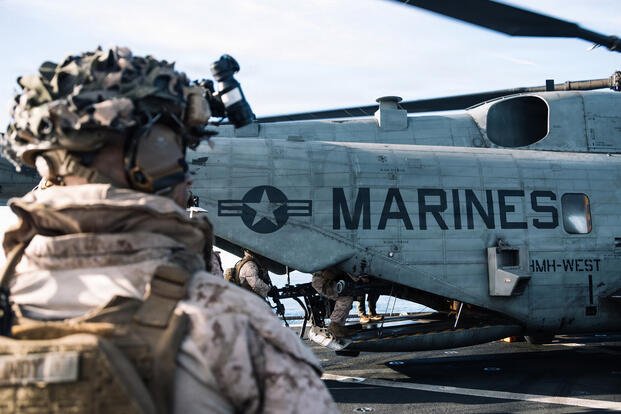
In a significant military development, the United States is deploying a substantial force of approximately 2,500 Marines to the Middle East. This move comes amid escalating tensions with Iran, as the U.S. considers its strategic options regarding the Strait of Hormuz, a critical artery for global oil transport.
According to reports from Reuters and the Associated Press, the deployment includes additional warships as the conflict enters a more complex phase involving shipping routes and oil infrastructure. Despite the buildup, President Donald Trump has attempted to downplay expectations of a ground deployment, stating, “I’m not putting troops anywhere,” but also asserting, “We will do whatever is necessary.”
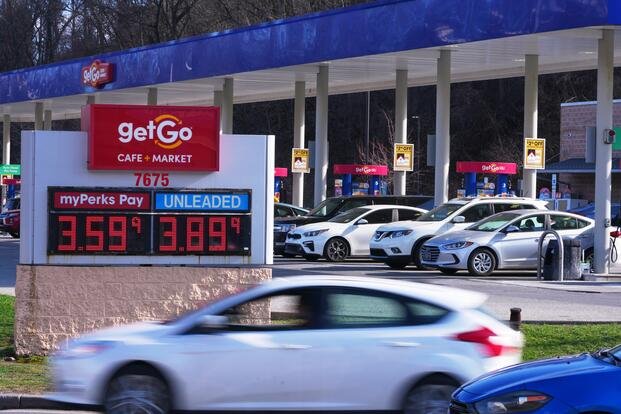
The strategic significance of the Strait of Hormuz cannot be overstated, as it remains one of the world’s most crucial oil chokepoints. Recent disruptions due to mines, drones, and attacks have led to a spike in U.S. gas prices, reaching levels last seen during the COVID-19 pandemic.
This deployment follows previous movements of warships towards the region, signaling a planned escalation rather than a spontaneous reaction. The USS Boxer, carrying its Marine Expeditionary Unit (MEU), along with other warships, are part of this expanded presence.
MEUs are versatile forces ideal for crisis response, maritime security, and operations that may require shifts from strike missions to securing vital shipping lanes or strategic locations.
US Broadens Military Operations Amid Iranian Aggression
The U.S. has intensified its military operations against Iran in response to missile launches and maritime disruptions. Iran has retaliated with attacks targeting Israel, U.S. positions, and energy infrastructure, as reported by Reuters and the AP.
Additional assets, including A-10 aircraft and Apache helicopters, are being deployed, though the Pentagon has not fully disclosed the operational details. This expansion reflects the gravity of the situation despite Trump’s public statements against troop deployment.
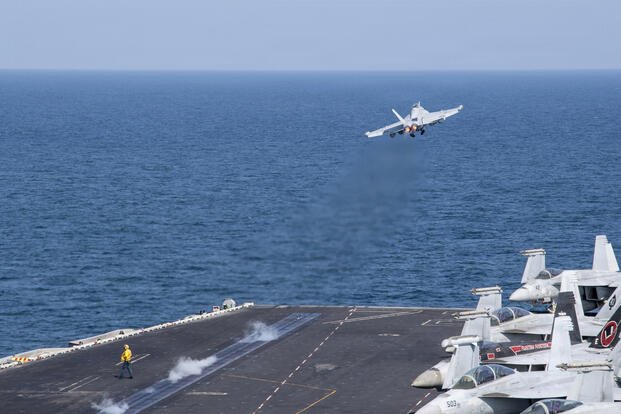
Defense Secretary Pete Hegseth has indicated that the campaign will not conclude swiftly, with official communications emphasizing a focus on dismantling Iran’s offensive capabilities.
Economic Implications of Rising Oil Prices
Oil prices remain above $100 per barrel, with Reuters reporting a current level of around $108. This surge is attributed to the threat of disruptions in the Gulf, impacting global markets.
Given that the Strait of Hormuz facilitates about 20% of the world’s oil flow, any disturbance can have far-reaching economic effects.
The Guardian has reported that U.S. officials are considering actions regarding Kharg Island, a crucial hub for Iranian oil exports. This island processes roughly 90% of Iran’s oil exports, underscoring its strategic importance.
As Washington weighs potential ground operations, the role of amphibious and versatile forces becomes critical. Meanwhile, differences have been noted between the U.S. and Israel regarding strategies that might escalate economic repercussions, despite their military alignment against Iran.