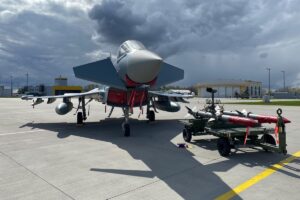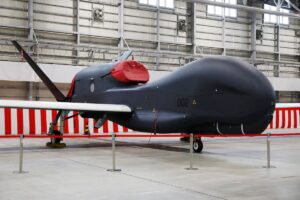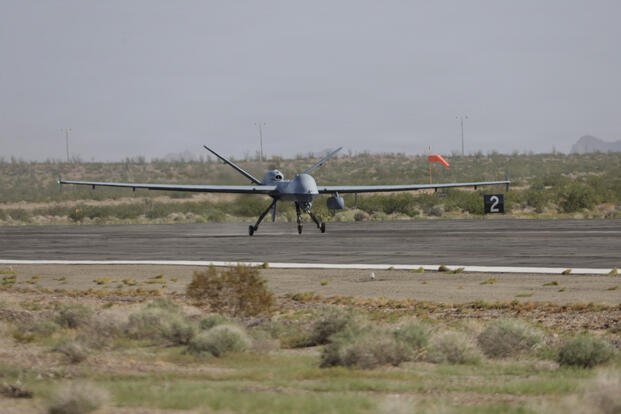
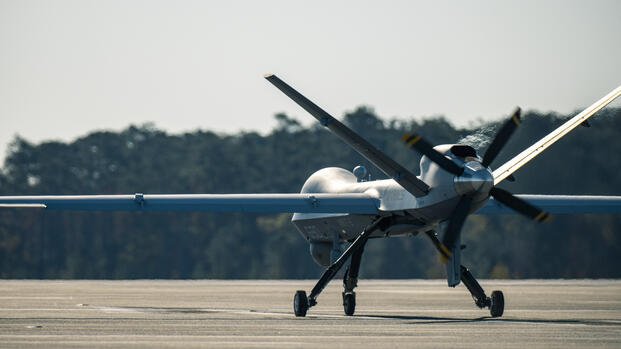
In a strategic move amid rising tensions, the United States has bolstered its surveillance operations in the South China Sea, deploying MQ-9A Reaper drones to the Philippines. This decision, aimed at countering China’s assertive maritime activities, underscores the U.S.’s commitment to maintaining a free and open Indo-Pacific region.
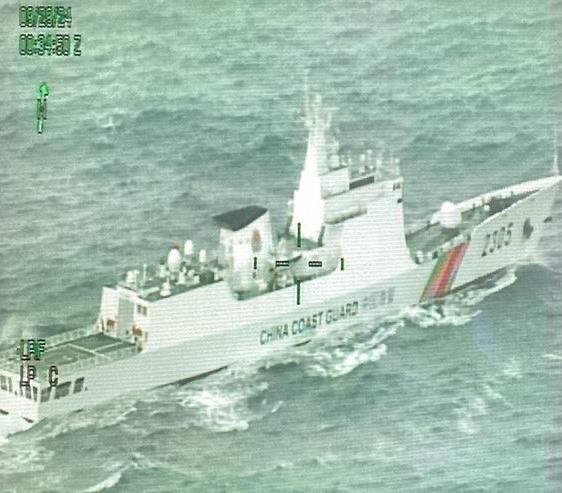
Recent actions have placed American unmanned drones in one of the world’s most hotly contested maritime zones, where Chinese vessels have persistently challenged Philippine claims. The Reapers’ deployment offers enhanced intelligence capabilities, allowing for constant monitoring of areas critical to both U.S. and Philippine interests. This initiative aims to document and respond to aggressive maneuvers in these waters.
U.S. Responds to China’s Maritime Pressure
Washington has voiced concerns over China’s expanding influence, characterizing its maritime claims as destabilizing. A senior administration official emphasized the United States’ commitment to its allies, stating, “China’s sweeping territorial and maritime claims in the South China Sea and its increasingly coercive actions to advance them at the expense of its neighbors continue to undermine regional stability and fly in the face of its prior commitments to resolve disputes peacefully.”
Furthermore, the U.S. has reaffirmed its alliance with the Philippines under the 1951 Mutual Defense Treaty, with the official stressing, “The United States is and will always be a Pacific naval power.”
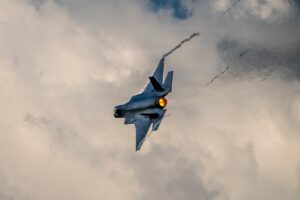
Unarmed MQ-9A drones have been temporarily stationed in the Philippines, extending the nation’s surveillance reach over disputed regions such as the Second Thomas Shoal and Scarborough Shoal. The Marine Corps highlighted the mission’s goal of enhancing maritime security and promoting a free Indo-Pacific.
The temporary deployment, described as a measure to bolster maritime security, was confirmed to Defense News by a Marine Corps spokesperson. As the situation evolves, the U.S. continues to monitor developments closely but has declined to comment further.
Heightened Maritime Tensions
The Asia Maritime Transparency Initiative reports frequent confrontations involving Chinese ships near key Philippine locations. These actions represent an ongoing pattern of confrontational behavior by China. The U.S. Indo-Pacific Command has documented several risky maneuvers by Chinese forces that pose safety risks to U.S. and allied vessels.
China has criticized U.S. and allied patrols as provocative, a stance reiterated during recent regional patrols. Meanwhile, the Enhanced Defense Cooperation Agreement has facilitated expanded U.S. access to Philippine military bases, showcasing a sustained U.S. presence in the region. Recent large-scale military exercises further affirm Washington’s commitment to regional security.
As tensions continue to simmer, the U.S. remains vigilant, utilizing drone surveillance to track regional activity and support Philippine operations in contested zones. For more insights on these developments, refer to the Asia Maritime Transparency Initiative and the Indo-Pacific Command’s reports on maritime incidents.