
By JEFFREY COLLINS
A shooting incident involving two National Guard members in Washington has brought attention to the thousands of Afghan refugees resettled in the United States. The suspect in this case is one of the many Afghans who relocated to the U.S. following the tumultuous withdrawal from Afghanistan during the Taliban’s resurgence.
Operation Allies Welcome: A Refugee Initiative
The initiative known as Operation Allies Welcome was launched after the U.S. decided to exit Afghanistan in 2021. This decision followed two decades of military involvement and substantial financial aid in the region. President Joe Biden, continuing the withdrawal initiated by former President Donald Trump, emphasized the U.S. commitment to providing safety for those who supported American efforts in Afghanistan.
However, the refugee resettlement faced criticism from various quarters, including Trump and several Republicans, who raised concerns over the vetting process. They likened the resettlement’s execution to the chaotic U.S. exit strategy from Afghanistan.
“This individual — and so many others — should have never been allowed to come here. Our citizens and servicemembers deserve far better than to endure the ongoing fallout from the Biden Administration’s catastrophic failures,” CIA Director John Ratcliffe commented regarding the situation.
The Case of Rahmanullah Lakanwal
Rahmanullah Lakanwal, identified as the accused shooter, had worked with the CIA in Kandahar, a region known for intense conflict between the Taliban and NATO forces. The specifics of his role with the CIA remain undisclosed.
Lakanwal’s journey to the U.S. began with his asylum approval during the Trump administration. His entry involved comprehensive security checks, including fingerprinting, iris scans, and thorough background assessments.
Impact on Afghan Resettlement Perceptions
Organizations assisting Afghan refugees stress that the actions of one individual should not overshadow the successful integration of thousands of others. Many Afghans have settled across the U.S., undergoing extensive health and security evaluations.
Shawn VanDiver, president of #AfghanEvac, voiced his concern: “I don’t want people to leverage this tragedy into a political ploy.”
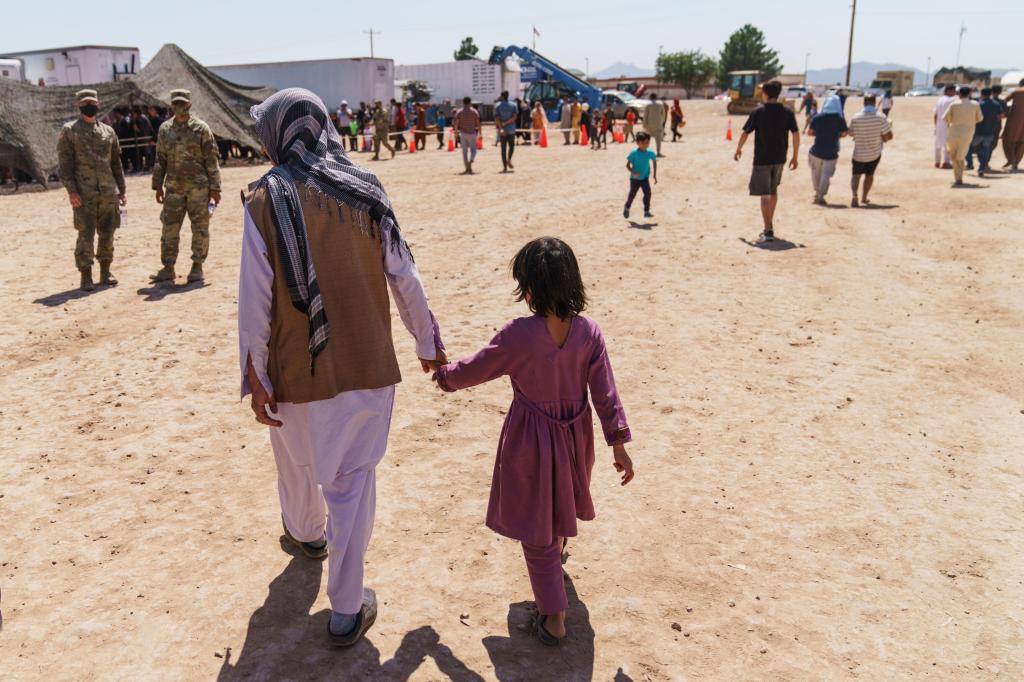
Following their arrival in the U.S., many refugees spent time in temporary accommodations at military bases before moving to communities in Virginia, California, Texas, and other states.
Federal Challenges to Refugee Resettlement
During Trump’s presidency, a significant executive order curtailed federal support for refugee resettlement, complicating efforts by agencies to provide essential services. Trump has also expressed intentions to review and potentially reverse admissions under Operation Allies Welcome.
In a statement, Trump emphasized, “If they can’t love our country, we don’t want them,” referring to the recent shooting as “a crime against our entire nation.”
Additionally, the Trump administration has aimed to reduce overall refugee intake, citing concerns over individuals who may not contribute positively to the country.
Despite these challenges, Afghans like Mohammad Saboor remain optimistic. Having worked for international forces for years, Saboor now looks forward to a peaceful life with his family in California, expressing gratitude for the opportunity to contribute to American society.
Associated Press journalists Eric Tucker and Martha Bellisle contributed to this report.