Alaska’s Health Insurance Dilemma: The Impact of Legislative Decisions
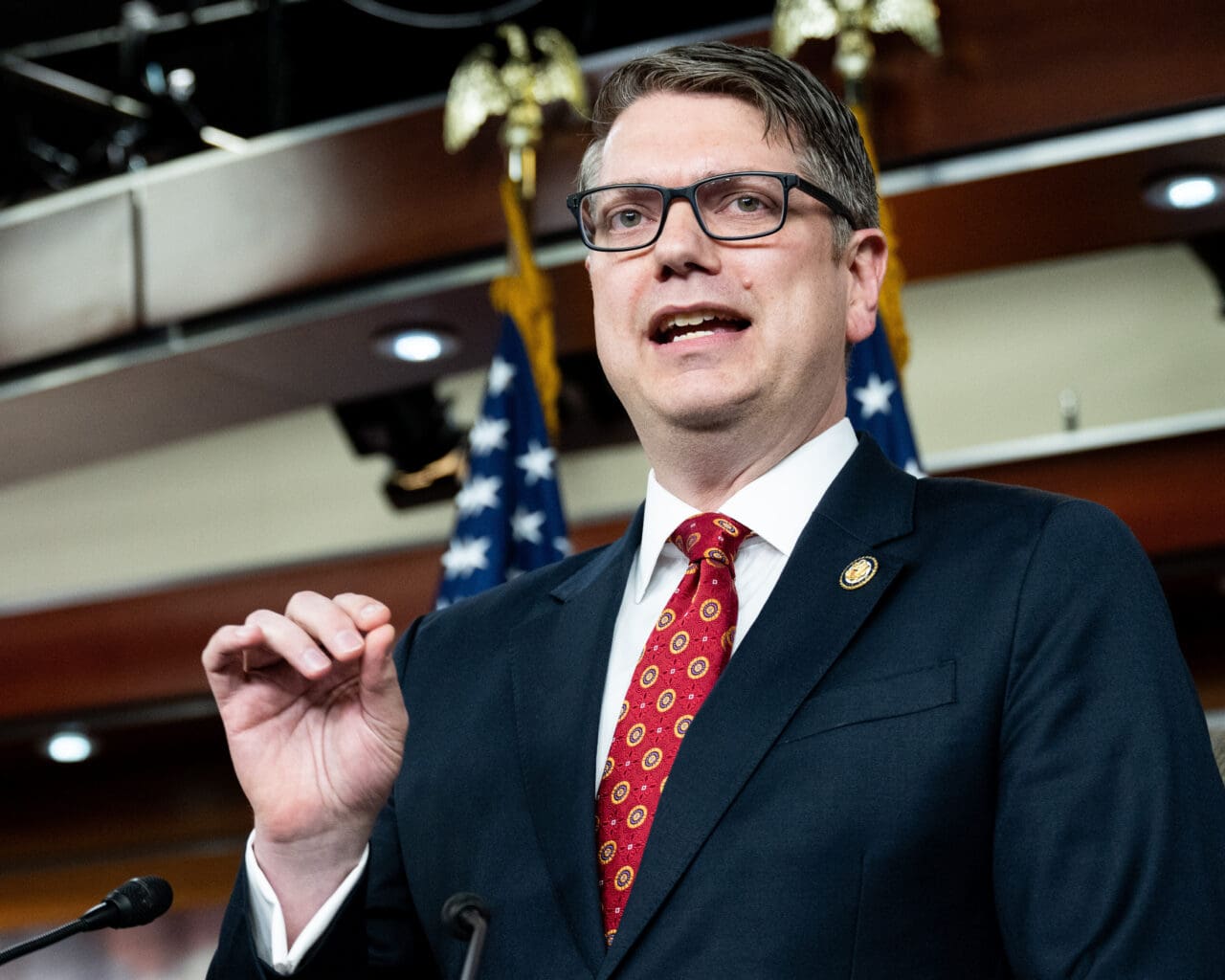
As Alaska faces skyrocketing health insurance costs, the actions of Rep. Nick Begich have come under scrutiny. Although he campaigned on reducing these expenses, his voting record shows a different approach.
With the average monthly cost for a standard health insurance plan in Alaska reaching $1,032, the state ranks among the highest in the country. The unique challenges posed by Alaska’s remote communities and extensive geography contribute to this financial burden.
Begich, now seeking a second term, has criticized other lawmakers for their lack of effective action on this issue. Despite this, he has advocated for substantial reductions to Medicaid and the Affordable Care Act, which currently insure over 35% of Alaskans.
His campaign website emphasizes the need for significant reform: “Reforms are needed to drive down the cost of health care,” it states. “Political rhetoric isn’t going to do it. It’s going to require commitment, tenacity, and hard work.”
The One Big Beautiful Bill Act (OBBB), supported solely by Republican votes, aims to cut $1 trillion from Medicaid by 2034, reallocating most savings as tax breaks for the wealthy. As a consequence, nearly 36,000 Alaskans might lose their insurance coverage.
This legislation also threatens the financial stability of 14 hospitals in Alaska, which stand to lose $63 million in funding. Joe Wanner, CEO of Bartlett Regional Hospital in Juneau, revealed to KTOO that his hospital expects an annual reduction of $3 million to $4 million in Medicaid revenue. He remains cautious about the potential impact on the facility’s operations.
Begich hailed the passage of OBBB in a May 2025 press release, suggesting it would create new economic opportunities and revenue.
Furthermore, Begich opposed an initiative to extend Obamacare tax credits, which previously helped keep premiums affordable for 22 million Americans, including over 25,000 Alaskans. Following the expiration of these credits, some premiums have surged by 346%, translating to an average annual increase of $909. The Congressional Budget Office forecasts that 2 to 5 million individuals might forego insurance due to these hikes.
Alaskan business owner Mark Robokoff lamented to the Anchorage Daily News when his premiums tripled. “I need my government, specifically my congressional delegation, to speak for me,” Robokoff expressed. “I feel absolutely abandoned.”
As Begich gears up for the upcoming election, his Democratic opponent will emerge from the Aug. 18 primary.