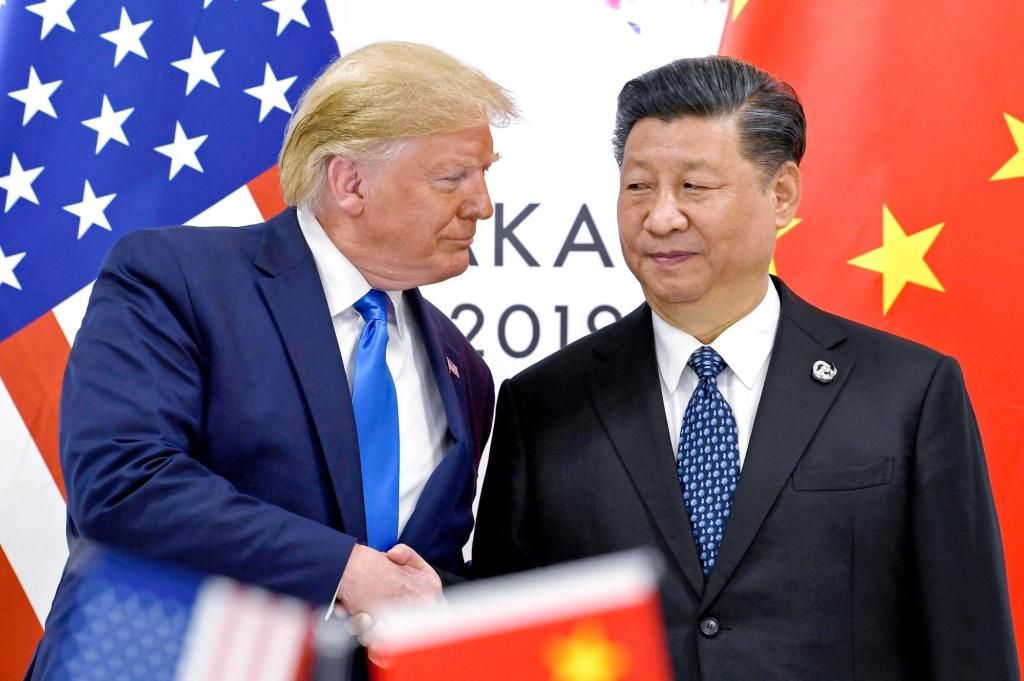

In the ongoing trade conflict between the United States and China, tensions escalated this week as Beijing urged President Donald Trump to rescind his recent proclamation of a steep 100% tariff on Chinese imports. This request comes in response to China’s introduction of stricter controls on rare earth elements, crucial for electronic manufacturing.
The tariff threat, which came from Trump over the weekend, appears to have been unexpected by the Chinese government. Despite the looming economic standoff, Trump hinted at a possible softening in his tone by posting on Truth Social that “The U.S.A. wants to help China, not hurt it!!!”
China’s Ministry of Commerce reacted with a detailed statement condemning the U.S. approach, claiming it was “severely damaging the atmosphere of trade negotiations.” Lin Jian, a spokesman for the Ministry of Foreign Affairs, emphasized this stance on Monday, warning that, “If the U.S. insists on going its own way, China will certainly take resolute measures to safeguard its legitimate rights and interests.”
The trade war has seen both countries deploy a range of retaliatory measures. The U.S. has restricted China’s ability to import advanced computer chips, while China has halted purchases of American soybeans and implemented reciprocal port fees.
Recent economic data highlights the impact of these tensions on trade flows. According to China’s latest trade figures, exports to the U.S. have been on a declining trend for six consecutive months, with a significant 27% decrease recorded in September compared to the previous year.
Originally Published: