The Cost of Operating a Coal-Fired Power Plant Despite Plans for Closure
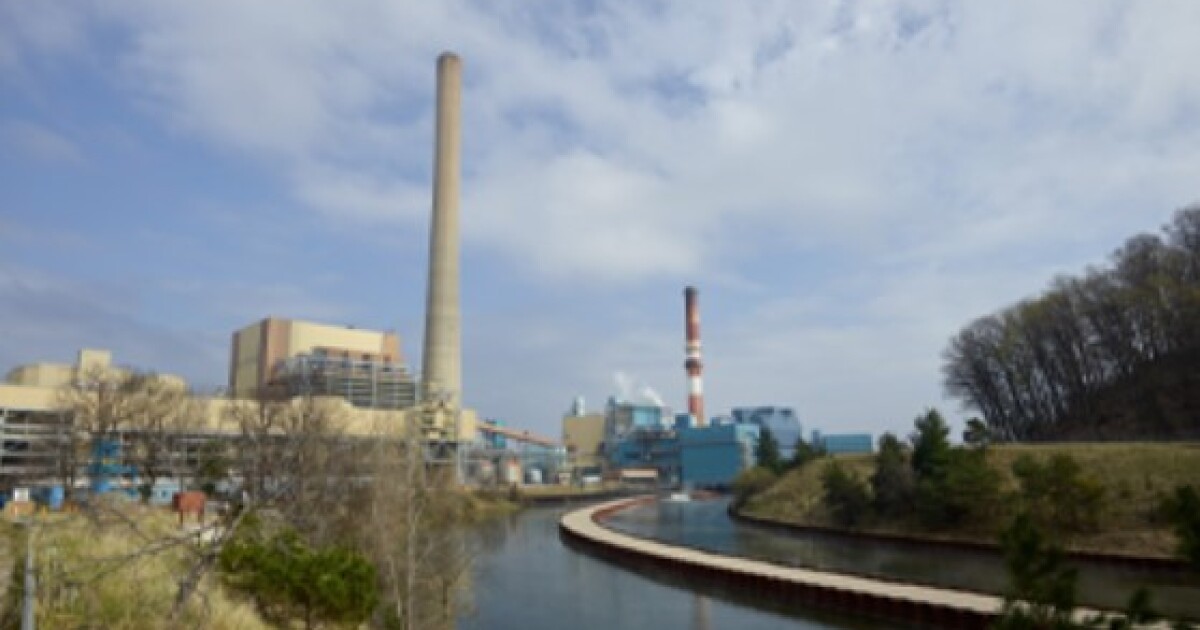
Despite Consumers Energy’s intention to shut down a coal-fired power plant near Lake Michigan, the Trump administration has ordered the plant to remain operational, resulting in significant costs for the company. According to a recent filing with federal regulators, running the J.H. Campbell Generating Plant has already cost Consumers Energy $80 million through September 30.
Spreading Costs to Ratepayers
Consumers Energy plans to distribute the expenses incurred from operating the plant across electricity ratepayers in the multi-state Midwest power grid, as stated in the company’s filing. The company is complying with federal orders to keep the plant running and intends to seek cost recovery through a filing with the Federal Energy Regulatory Commission later this year.
Uncertainty and Environmental Concerns
Sanjay Narayan from the Sierra Club’s Environmental Law Program highlighted the uncertainty surrounding emergency orders like the one keeping the Campbell plant open, emphasizing the lack of a long-term plan. Narayan pointed out that coal, being a dirty, expensive, and inefficient energy source, poses environmental risks due to emissions of sulfur dioxide, mercury, and lead.
Bryan Smigielski, a Michigan campaign organizer with the Sierra Club, mentioned that Consumers Energy was transitioning to advanced technologies and a changing electricity grid, leading to the decision to close the plant. However, the Trump administration’s concerns about potential electricity shortages and energy demands have led to the plant’s continued operation.
Financial and Health Impacts
Consumers Energy’s plan to end coal power generation, including the closure of the Campbell plant, was expected to save customers an estimated $600 million through 2040 while delivering environmental benefits. Sulfur dioxide emissions from coal plants, as highlighted by Smigielski, are linked to various health issues, prompting concerns from residents and environmental advocates.
Despite the financial burden falling on the public, the decision to maintain the coal plant’s operations raises questions about the necessity and sustainability of using such energy sources. The ongoing debate between environmental concerns, cost implications, and energy demands continues as the future of the Campbell Generating Plant remains uncertain.