Congress to Vote on Bipartisan War Powers Resolutions Amid Iran Conflict
Congress is gearing up to vote on bipartisan war powers resolutions this week aimed at restricting President Trump’s military actions in Iran. The resolutions face an uphill battle to become law, as previous attempts to assert congressional authority over war declarations have failed.
Most Democrats and some Republicans support the effort to rein in Trump’s use of military force in Iran following recent U.S. and Israeli attacks that have resulted in American casualties.
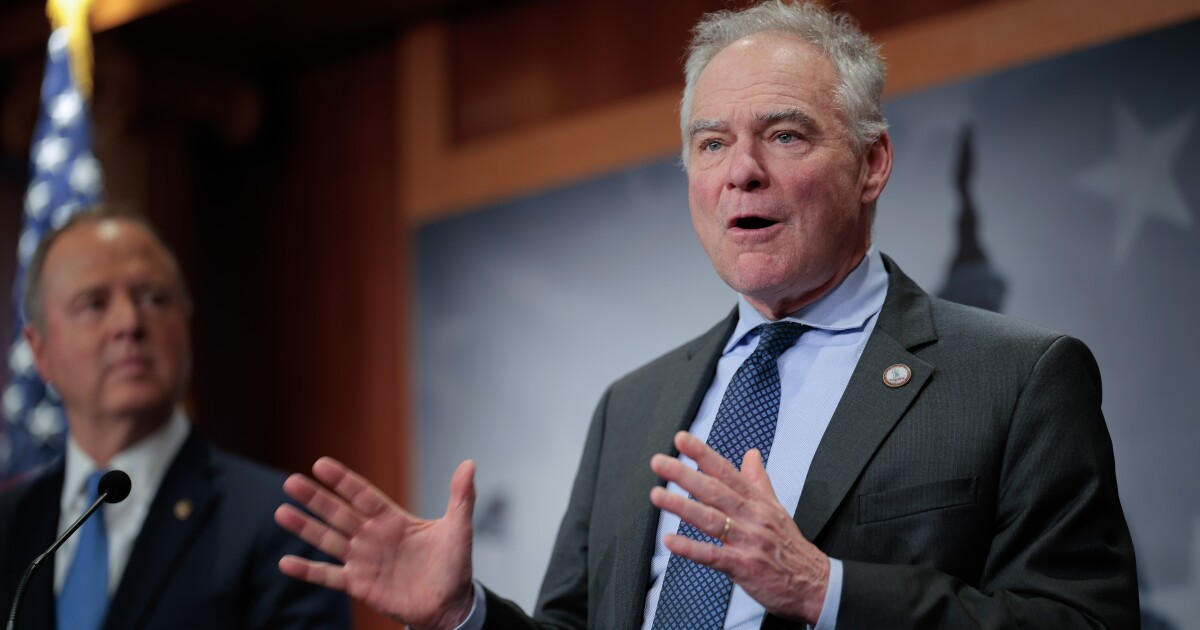
Senator Tim Kaine, a co-sponsor of the Senate resolution, emphasized the constitutional requirement for Congress to authorize war. He stressed the importance of protecting the lives of troops by ensuring a congressional vote on military actions.
The resolutions were scheduled for debate before the recent attacks on Iranian military and political figures. Despite ongoing conflict, Congress is expected to vote on the measures midweek.
If passed, the resolutions would invoke the 1973 War Powers Resolution to prevent further U.S. military involvement in Iran without congressional consent, serving as a check on executive war authority.
Senator Mark Kelly, a retired Navy pilot, supports the resolutions, expressing concerns over escalating conflicts without a clear plan to protect service members.
President Trump has vowed to continue military actions in the Middle East until objectives are met, without specifying these objectives in a recent online video.
Administration officials are set to brief lawmakers on Middle East war efforts, including the CIA director, defense secretary, and secretary of state.
Divisions in Congress
Representative Ro Khanna believes there is a possibility for the House resolution to advance, but it hinges on maintaining Democratic support. He views voting for Trump’s war in the Middle East as a detrimental move for Democrats.
While most Republicans are likely to align with Trump, Representative Thomas Massie has raised concerns about the conflict’s alignment with the “America First” principle, showcasing some Republican dissent.
Senator John Fetterman, a Democrat, plans to vote against the resolution, deeming it an empty gesture and unnecessary.
These resolution votes follow previous unsuccessful attempts to restrict Trump’s military actions without congressional approval, reflecting the ongoing debate over war powers between the executive and legislative branches.