appId : ‘your-app-id’,
xfbml : true,
version : ‘v2.6’
});
};
(function(d, s, id){
var js, fjs = d.getElementsByTagName(s)[0];
if (d.getElementById(id)) {return;}
js = d.createElement(s); js.id = id;
js.src = “//connect.facebook.net/en_US/sdk.js”;
fjs.parentNode.insertBefore(js, fjs);
}(document, ‘script’, ‘facebook-jssdk’));
Congress to Vote on Resolutions Limiting Trump’s Military Actions in Iran
Congress is gearing up to vote on bipartisan resolutions aimed at restricting President Trump’s military operations in Iran this week. The House and Senate are spearheading these efforts, striving to assert congressional authority regarding declarations of war, despite previous unsuccessful attempts.
Support and Opposition
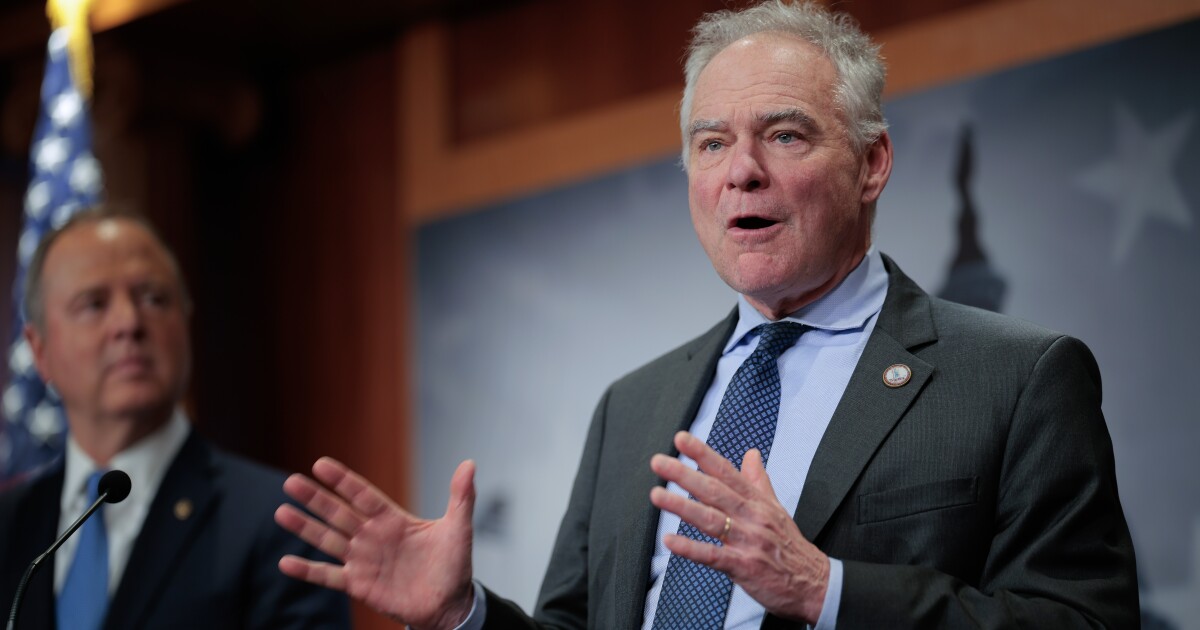
Most Democrats and some Republicans in Congress advocate for curbing Trump’s use of military power in Iran, following recent U.S. and Israeli strikes in the region that resulted in American casualties. Senators like Tim Kaine emphasize the constitutional requirement for Congress to approve war engagements, highlighting the need for immediate action.
However, challenges lie ahead as the resolutions face potential veto override requirements and uncertain support levels. If passed, the measures would halt further U.S. military involvement in Iran without congressional consent, aligning with the 1973 War Powers Resolution’s intent to check executive war authority.
Differing Perspectives
While some Democrats view voting for Trump’s military actions as unfavorable, citing concerns about escalating conflicts, most Republicans are anticipated to back the President’s stance on Iran. Nonetheless, divisions within the GOP, as seen with Rep. Thomas Massie’s critique of the conflict’s alignment with “America First,” hint at some dissent.
On the other hand, Senator John Fetterman stands out among Democrats by expressing skepticism towards the resolution, deeming it an empty gesture. These differing viewpoints encapsulate the debate surrounding Trump’s military actions and congressional oversight.
Historical Context
The impending resolution votes follow prior unsuccessful endeavors to limit Trump’s military autonomy, including failed attempts related to Iran and Venezuela in the past. Despite the challenges ahead, Congress continues to navigate the delicate balance between executive power and legislative oversight in matters of war.