Detroit Residents to Choose New Mayor in First Open-Seat Race in 12 Years
Detroit voters will head to the polls on Tuesday to elect a new mayor in the city’s first open-seat mayoral race in over a decade. City Council President Mary Sheffield and Triumph Church pastor Solomon Kinloch, both Democrats, emerged as the top contenders in the August primary and are now vying for the mayoral position.
Sheffield and Kinloch are competing to succeed outgoing three-term Mayor Mike Duggan, who is running for governor of Michigan as an independent. The city has seen significant improvements since Duggan’s tenure, with balanced budgets, economic growth projections, and a decrease in violent crimes and homicides, according to data from the U.S. Census Bureau.
Despite these positive developments, the incoming mayor will face challenges such as a shortage of affordable housing and economic disparities based on race. Sheffield has been leading in fundraising efforts, outspending Kinloch significantly in the general election campaign.
Key endorsements have bolstered Sheffield’s campaign, with support from Duggan and other former primary opponents. Detroit’s predominantly Democratic electorate will play a crucial role in determining the outcome of the election.
Notably, the mayoral race occurs amidst increased federal intervention in major cities across the country, with President Trump threatening to deploy National Guard troops to several American cities, including Detroit.
As the election day approaches, here are some key details to keep in mind:
Key Information for the Detroit Mayoral Election
When Do Polls Close?
Polling stations will close at 8 p.m. ET.
Eligible Voters
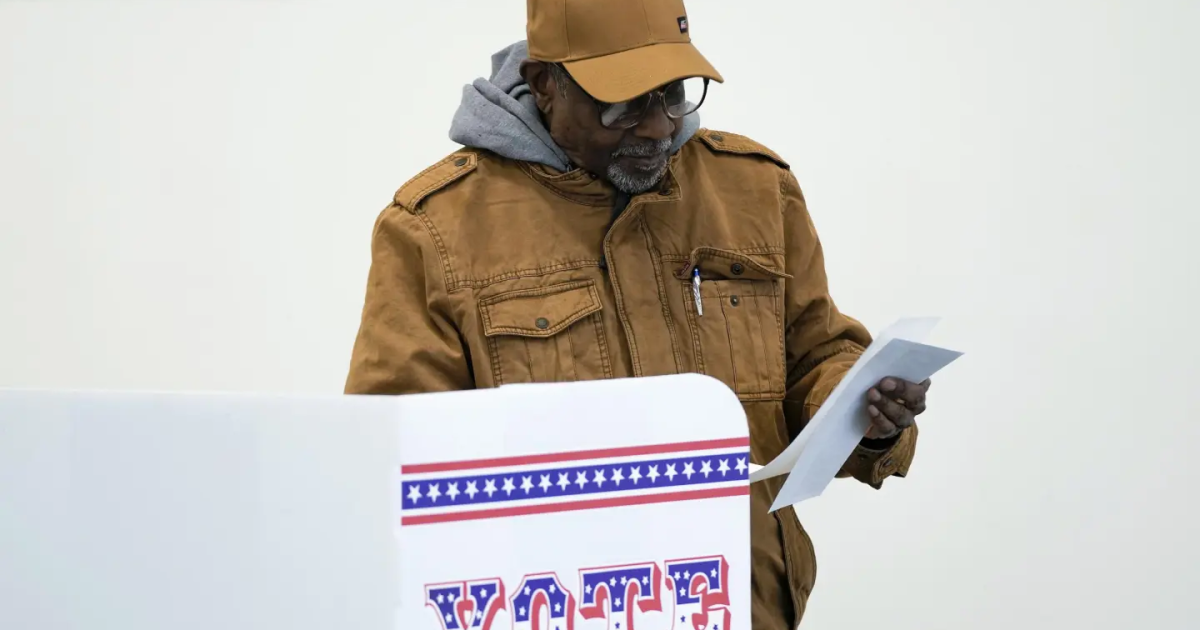
All registered voters in Detroit are eligible to participate in the mayoral general election.
Turnout and Advance Voting
Approximately 518,000 residents are registered to vote in Detroit. The voter turnout in the August primary was around 17% of registered voters.
Michigan Public, like the Associated Press, will refrain from making projections and will announce a winner only when it is clear that trailing candidates cannot close the gap. The Michigan Public will continue to report on any significant developments in the race until a winner is declared.
While Michigan’s mandatory recount law does not apply to the mayoral race in Detroit, candidates have the option to request and pay for a recount if desired, with a refund provided if the outcome changes. The AP may call a winner in the race if the margin is deemed too significant for a recount to alter the result.
As residents prepare to cast their votes on Tuesday, the outcome of the Detroit mayoral election will have a far-reaching impact on the city’s future direction and policies.