
Federal Support for Reviving Three Mile Island Nuclear Plant
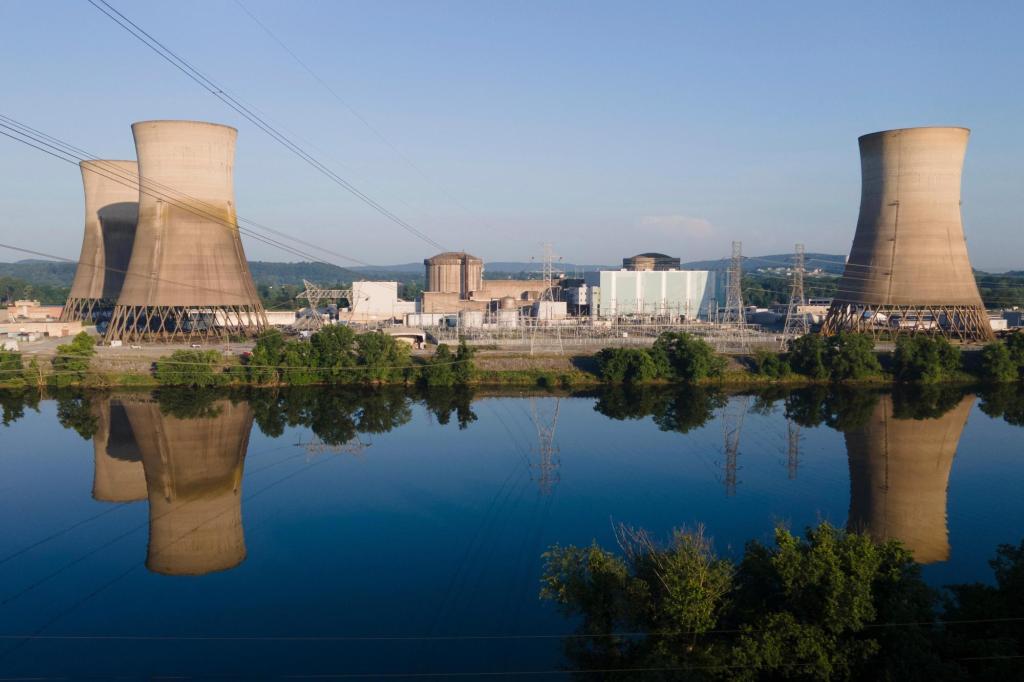
The U.S. Department of Energy has announced a significant financial intervention aimed at revitalizing the nuclear energy sector. A $1 billion loan has been allocated to restart the previously inactive nuclear power plant at Pennsylvania’s Three Mile Island, slated to supply power to Microsoft’s data centers.
This initiative aligns with the Trump administration’s goals to enhance the nuclear power industry and advance artificial intelligence technologies. By extending this federal loan, Constellation Energy, the plant owner, can reduce the financial burden associated with reactivating the site. The plant’s 835-megawatt reactor has the capacity to power around 800,000 households, according to the Department of Energy.
The reactor has been dormant for five years, with Constellation Energy committing $1.6 billion last year to resume operations under a two-decade agreement with Microsoft. This agreement ensures the provision of power to Microsoft’s expanding data infrastructure.
Efforts to revive the reactor have led to its rebranding as the Crane Clean Energy Center. The planned restoration includes upgrades to critical components such as the turbine, generator, and cooling systems, with a target operational date set for 2027.
The loan comes from a $250 billion energy infrastructure initiative, authorized by Congress in 2022. While details of the loan’s terms remain undisclosed, this financial support is pivotal for the plant’s revival.
Three Mile Island gained notoriety in 1979 as the site of the worst commercial nuclear accident in the United States, which resulted in the destruction of one reactor. The remaining reactor, Unit 1, was shut down by Exelon in 2019 due to financial struggles and the lack of state subsidies.
The revival of the reactor is part of a broader resurgence in nuclear energy as policymakers consider it a viable option to meet increasing power demands, mitigate climate change impacts, and support the burgeoning needs of data centers.
For more details, follow Marc Levy on Twitter.