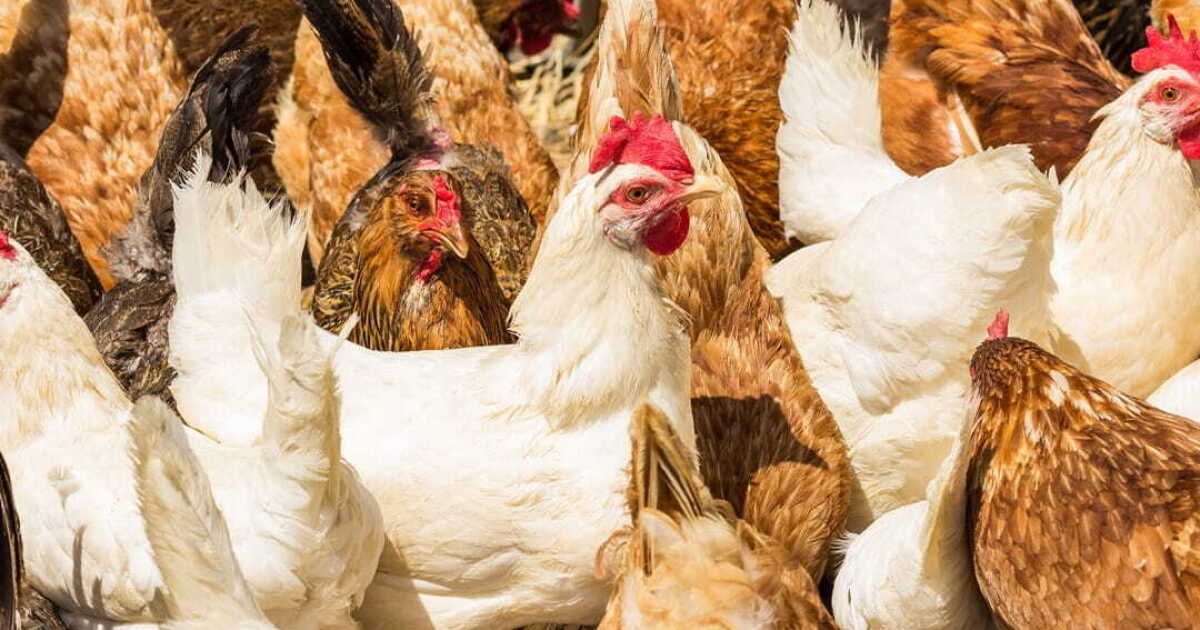
Michigan’s Ban on Eggs from Small Cages Upheld in Court
In a recent development, a federal judge has dismissed a lawsuit brought by the U.S. Department of Justice against Michigan’s ban on selling eggs from hens kept in small cages. The judge ruled that the DOJ failed to demonstrate that Michigan’s law was causing harm to the Trump administration.
The lawsuit, filed in January, argued that Michigan’s restrictions violated the federal Egg Products Inspection Act and the supremacy clause. However, U.S. District Court Judge Jane Beckering found the DOJ’s arguments insufficient to prove any concrete injury.
Nancy Barr, the executive director of Michigan Allied Poultry Industries, expressed satisfaction with the court’s decision, stating that they were “very happy when the judge dismissed the case without prejudice.” Despite this, Barr anticipates that the DOJ will appeal the ruling.
Background and Implications of Michigan’s Law
In 2019, Michigan amended the Animal Industry Act to prohibit the sale of shelled eggs from chickens, turkeys, ducks, geese, or guinea fowl raised in small, confined cages. The law requires that hens be kept in a “cage-free” environment, allowing them to roam unrestricted indoors and exhibit natural behaviors.
While the law did not take effect until the end of 2024 to allow farms time to comply, Barr highlighted that the industry had invested significant resources to transition to cage-free practices, emphasizing the high standards of bird welfare maintained by Michigan producers.
Economic Impact and Industry Response
The DOJ’s lawsuit cited rising egg prices as a consequence of Michigan’s ban on noncompliant eggs, alleging that it restricted supply and increased compliance costs. However, USDA statistics indicate that poultry and egg prices have decreased nationwide since a peak in the spring of 2025, largely due to an avian influenza outbreak.
Michigan, ranking 7th in the U.S. for egg production, produces 300 to 400 million eggs annually. Despite the legal challenges, Michigan Allied Poultry Industries remains committed to maintaining cage-free practices and meeting consumer demand for ethically sourced eggs.
The Department of Justice declined to provide a comment on the outcome of the case.