
Idaho Immigration Raid Sparks Legal Controversy and Releases
In a significant legal ruling, a federal judge has mandated the release of 16 individuals detained during a high-profile immigration raid at a rural Idaho racetrack. This development has fueled an ongoing debate about immigration enforcement and due process rights in the United States.
The order from U.S. District Judge B. Lynn Winmill came after he determined that holding the detainees without bond breached their due process rights. The judge remarked that many of those detained have lived in the U.S. for years and have family ties to American citizens, including spouses and children, as outlined in court documents.
Responding to the ruling, the Department of Homeland Security criticized the decision. In an e-mailed statement to The Associated Press, the department stated, “an activist judge is ordering lawbreakers to roam free,” emphasizing the Trump administration’s commitment to enforcing immigration laws and removing unauthorized individuals.
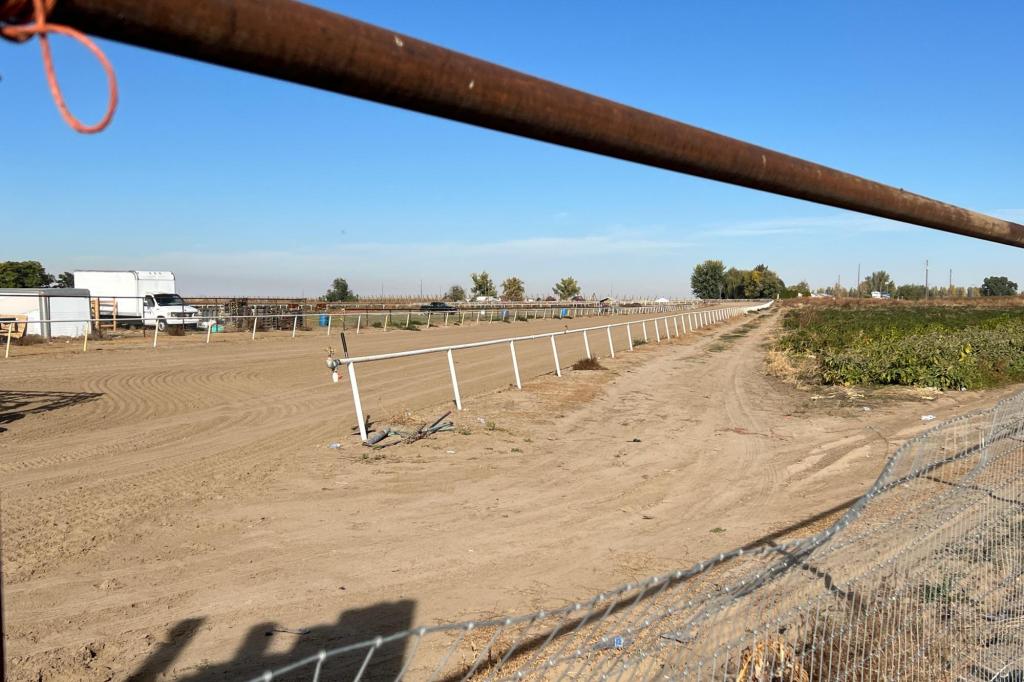
The raid, conducted on October 19 at a Wilder racetrack, was spearheaded by the FBI as part of an investigation into alleged illegal gambling activities. The operation involved over 200 officers from 14 different agencies, including U.S. Immigration and Customs Enforcement and Border Patrol. During the raid, approximately 400 people, many of whom were U.S. citizens, were detained for several hours.
Witnesses reported aggressive enforcement methods, claiming some children were zip-tied or separated from their parents. While Homeland Security Secretary Kristi Noem denied the use of zip-ties on children, the FBI later clarified that no restraints were used on “young children.”
Despite the extensive operation, only a few arrests were made related to gambling, while 105 individuals were apprehended for suspected immigration violations. Many of them agreed to leave the country voluntarily before consulting with immigration attorneys, according to Nikki Ramirez-Smith, an attorney representing 15 of those released.
Of those detained, only 18 pursued release through Idaho’s federal courts. One individual’s request was initially rejected due to insufficient detail but was given an opportunity to refile. Another detainee is seeking release through a different federal court after being transferred out of state.
Judge Winmill emphasized the distinct legal treatment between non-citizens apprehended near the border and those residing in the U.S., asserting that the latter group is entitled to due process rights. “Treating the detention of noncitizens stopped at or near the border differently from noncitizens who reside within the country is not an anomaly,” Winmill noted.
Ramirez-Smith praised the judge’s decision, highlighting the importance of understanding the underlying issues. With a significant backlog of over 3 million cases in immigration courts, the detainees are expected to remain with their families as they await hearings, which could be years away.
The Trump administration has implemented measures to address the backlog, including firing immigration judges and deploying military lawyers as temporary judges. These actions have sometimes transformed standard immigration hearings into deportation traps, with asylum claims being dismissed swiftly, leading to immediate arrests.