
U.S. Federal Courts Struggle with Surging Immigration Lawsuits Amid Trump-Era Policies
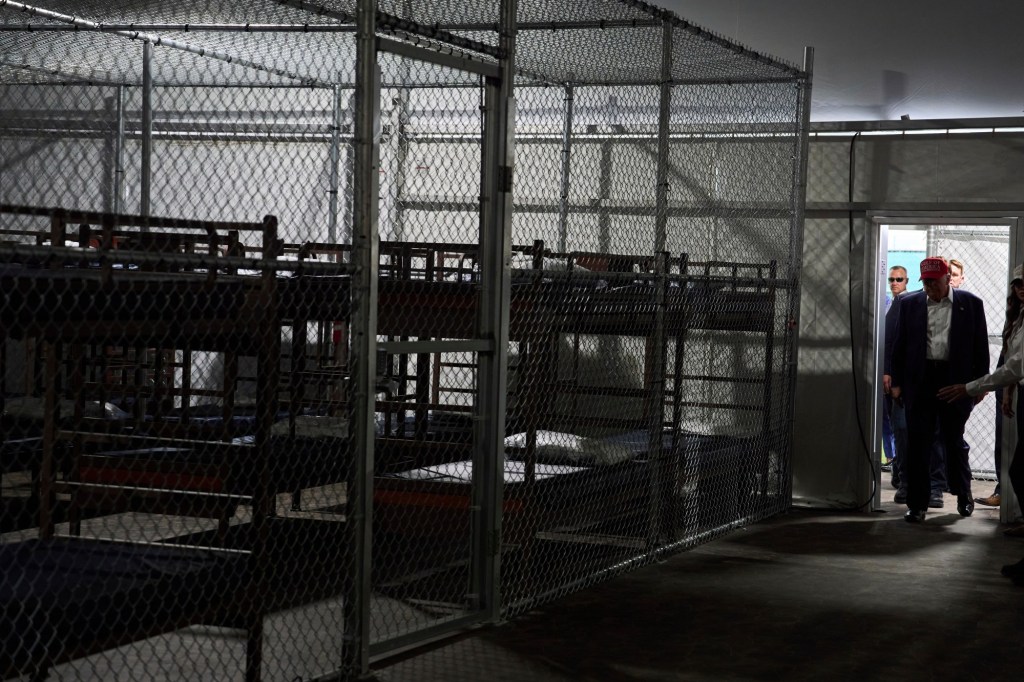
Judges across the United States are grappling with a flood of legal challenges brought by immigrants detained under the Trump administration’s strict deportation measures. These cases are overwhelming courts as detained individuals leverage habeas corpus petitions to contest their imprisonment.
Historically, immigrants without criminal records could seek bond hearings while awaiting immigration court decisions, except when halted at the border. However, President Donald Trump reversed this policy, enforcing mandatory detention.
Courts Under Pressure
In Georgia, the influx of habeas petitions has led to what U.S. District Judge Clay Land described as “an administrative judicial emergency.” Despite his rulings against mandatory detention, the Trump administration continued to withhold bond hearings for detainees at the Stewart Detention Center. Judge Land, appointed by President George W. Bush, expressed frustration at having to order hearings on a case-by-case basis.
Similarly, Minnesota’s federal courts face mounting pressure. U.S. District Chief Judge Patrick Schiltz noted that the administration had not prepared for the surge in habeas petitions resulting from its enforcement actions, with over 400 petitions filed in January alone. Judge Schiltz criticized the government’s non-compliance with numerous court orders for detainee release or relief.
In New York, U.S. District Judge Arun Subramanian observed a similar trend, highlighting the plight of immigrants who posed no threat yet remained detained. He granted a habeas petition for a Guinean woman, stating, “No one disputes that the government may, consistent with the law’s requirements, pursue the removal of people who are in this country unlawfully. But the way we treat others matters.”
Government’s Defense and Legal Victory
The Department of Homeland Security (DHS) asserted its readiness to manage the legal workload necessary to fulfill Trump’s deportation agenda. DHS and the Justice Department criticized the judiciary, suggesting that adherence to the law by “rogue judges” would alleviate the caseload.
In a significant legal win for the administration, the 5th U.S. Circuit Court of Appeals upheld the policy of detaining immigrants without bond, countering numerous lower court rulings that challenged its legality.
Legal Challenges to Detention Policy
Despite a federal judge in California ruling the mandatory detention policy illegal, plaintiffs’ attorneys argue the administration continues to deny bond hearings. U.S. District Judge Sunshine Sykes’ decision was intended to have nationwide impact, yet the government reportedly instructed immigration judges to disregard it, leading her to label the government’s actions as “troubling.”
Efforts to Mitigate the Burden
Judges are taking steps to manage the overwhelming caseload. In Georgia, Judge Land instructed courts to immediately order bond hearings for qualifying immigrants. Maryland District Court Chief Judge George L. Russell III mandated a halt to immediate deportations for petitioning immigrants under specific conditions, citing rushed hearings due to late-night filings.
In Washington state, U.S. District Judge Tiffany Cartwright required the administration to inform Tacoma detainees of her ruling against mandatory detention, acknowledging the strain on court resources and immigration attorneys due to the high volume of habeas filings.