Michigan Police Involvement in Immigration Enforcement Sparks Debate
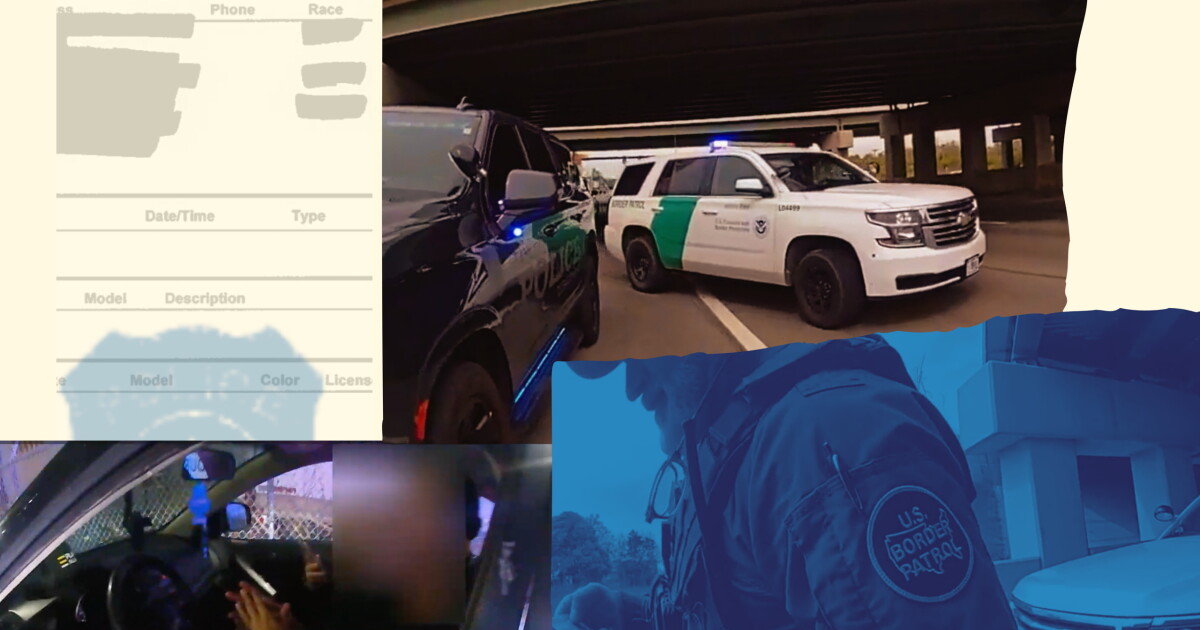
On a spring evening in 2025, Brownstown Township police officer Matthew Lyles stopped a vehicle for a faulty headlight, leading to the arrest of the driver by Border Patrol due to a Colombian license. This incident has reignited the debate on the involvement of local police in federal immigration enforcement.
Advocates argue that involving federal agencies in minor traffic violations can escalate situations and disrupt the lives of migrants. They propose issuing citations or impounding vehicles instead of calling Border Patrol.
Michigan’s current policy, which restricts driver’s license eligibility for migrants, has been criticized for contributing to these incidents. The lack of access to licenses means that routine police stops can lead to federal immigration enforcement actions.
The Legal Landscape
Michigan has a history of political debate regarding migrants’ access to driver’s licenses. While a 1995 decision allowed all residents to obtain licenses, a 2007 opinion reversed this, citing security concerns. Current laws require proof of legal immigration status for a driver’s license.
Policy Divergence
Michigan’s approach of leaving decisions about police involvement in immigration enforcement to local departments contrasts with states like Illinois, which have laws limiting cooperation with immigration agents. This divergence highlights the need for clear guidelines.
Efforts to expand driver’s license eligibility for migrants have faced obstacles in Michigan’s legislature, with the Drive SAFE campaign stalled in the state House. Democratic lawmakers continue to introduce such legislation despite challenges.
Michigan’s stance on driver’s licenses for migrants remains a contentious issue, with advocates emphasizing the importance of road safety and community trust in law enforcement.
In 2025, Michigan’s political landscape shifted as Republicans gained control of the state House of Representatives. This change in power dynamics led to a significant decision on the resident driver’s license bill, a contentious issue amidst escalating anti-immigrant sentiments championed by Trump. The bill, which aimed to provide driver’s licenses to undocumented individuals, faced a pivotal vote that ultimately resulted in a 39-64 defeat, with six Democrats siding against it.
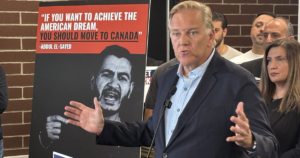
State Representative Josh Schriver (R-Oxford) expressed concerns over the bill, emphasizing that its passage could potentially turn Michigan into a magnet for undocumented immigrants worldwide. This sentiment reflects the broader anti-immigrant rhetoric prevalent during that time, fueled by Trump’s aggressive stance on immigration.
Looking ahead, the urgency for reforms in this area has only intensified with the anticipated immigration crackdown under the second Trump administration. State Representative Stephanie Chang highlighted the heightened consequences of not having a driver’s license or state ID, especially in encounters with Border Patrol.
The aftermath of the failed vote left a lingering impact on community organizer Danny Celaya, who criticized the Democratic defections as acts of “cowardice.” Despite this setback, both Chang and Celaya remain optimistic about the eventual passage of the reforms, particularly with the upcoming opportunity for Democrats to reclaim control of the state House. Until then, the absence of these crucial reforms continues to pose challenges, with Celaya noting that routine activities like a grocery trip can inadvertently lead to family separations. The journey towards comprehensive immigration policy reform in Michigan remains ongoing, shaped by political shifts, public sentiment, and the evolving national landscape.