
Federal Reimbursement for Trump’s Security Costs in Palm Beach
Palm Beach County, which has long borne the financial burden of providing security during President Donald Trump’s frequent visits to his Mar-a-Lago residence, will soon receive federal reimbursement. This change comes as a relief to local taxpayers who have been shouldering the substantial expense.
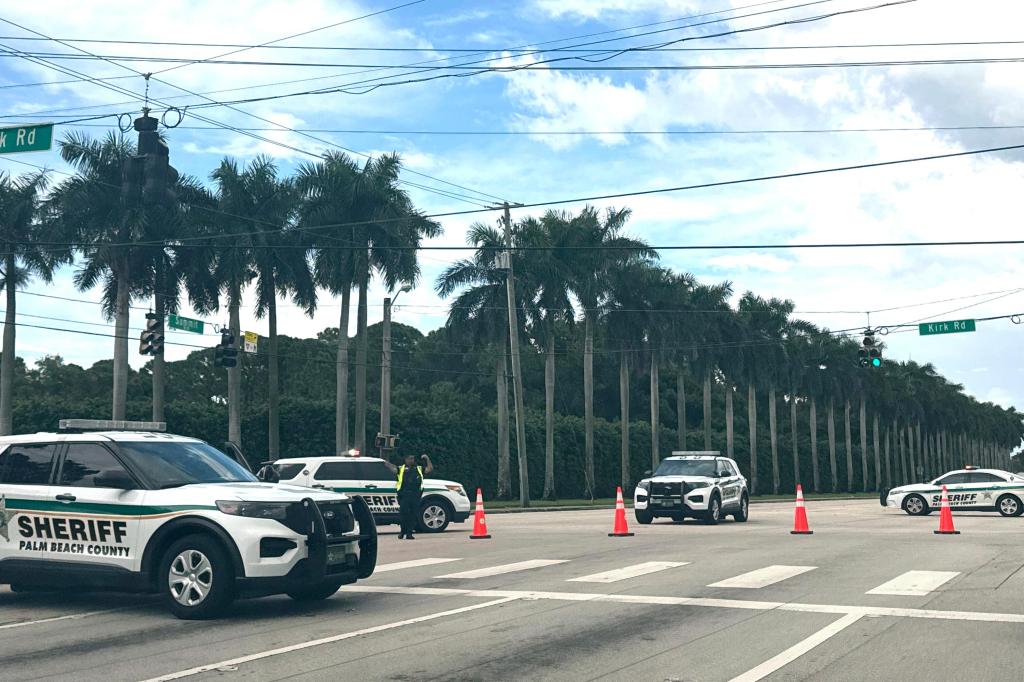
The Mar-a-Lago estate, a favored retreat for Trump, necessitates heightened security measures whenever he visits. While the Secret Service primarily handles presidential protection, local enforcement agencies play a critical role in securing motorcade routes and establishing perimeters. This involves coordinated efforts from the Palm Beach County Sheriff’s Office, West Palm Beach Police Department, and Town of Palm Beach Police.
Security measures intensified last summer due to Trump’s status as a former president seeking re-election, following two assassination attempts. One occurred on July 13 in Butler, Pennsylvania, and another was thwarted on September 15 near his golf course in West Palm Beach.
Interim County Administrator Todd Bonlarron previously noted that security expenses during Trump’s presence could range from $200,000 to $300,000 per day, based on his schedule and activities.
New legislation now allocates $300 million over five years to cover these costs, as confirmed by a spokesperson for U.S. Representative Lois Frankel. The reimbursement covers expenses starting July 1, 2024, and agencies are encouraged to apply promptly.
This reimbursement initiative is part of a broader legislative package, known as the “One Big Beautiful Bill Act,” which President Trump and the Republican Party have championed. It includes increased funding for immigration enforcement and the military, alongside spending cuts in Medicaid and nutrition programs. The legislation also extends numerous tax cuts favoring high-income individuals.
According to the Congressional Budget Office, the bill is projected to increase the national debt by $3.4 trillion over the next decade, excluding an additional $500 million in interest. The Committee for a Responsible Federal Budget suggests the debt increase could be between $3 trillion to $5 trillion.
While Trump spends his weekends primarily at Mar-a-Lago during the winter months, he retreats to Trump National Golf Club Bedminster in New Jersey during the summer. The reimbursement plan received bipartisan support, spearheaded by Frankel and Republican U.S. Representative Tom Kean.
Despite backing the reimbursement measure, Frankel opposed the larger bill, criticizing the extensive Medicaid cuts and its overall fiscal implications. “This bill is nothing short of cruel. It includes the largest Medicaid cut in history, ripping health care away from nearly 17 million Americans, including two million Floridians, and raising costs for everyone else,” Frankel stated. “It threatens nutrition programs across the country—leaving children, seniors, Veterans, and people with disabilities at risk of going hungry. And despite all these painful cuts, it still adds at least $4 trillion to the national debt, just to give billionaires like Elon Musk another tax break at the expense of our children and grandchildren. Americans and their families deserve better.”
The provision ultimately passed, however, covering law enforcement but excluding fire services, a narrower scope than initially proposed. A similar federal reimbursement scheme existed during Trump’s first term from 2017 to 2021.
Political writer Anthony Man can be reached at aman@sunsentinel.com and can be found @browardpolitics on Bluesky, Threads, Facebook and Mastodon.
Originally Published: