A New Approach to HOA Dissolution in Florida
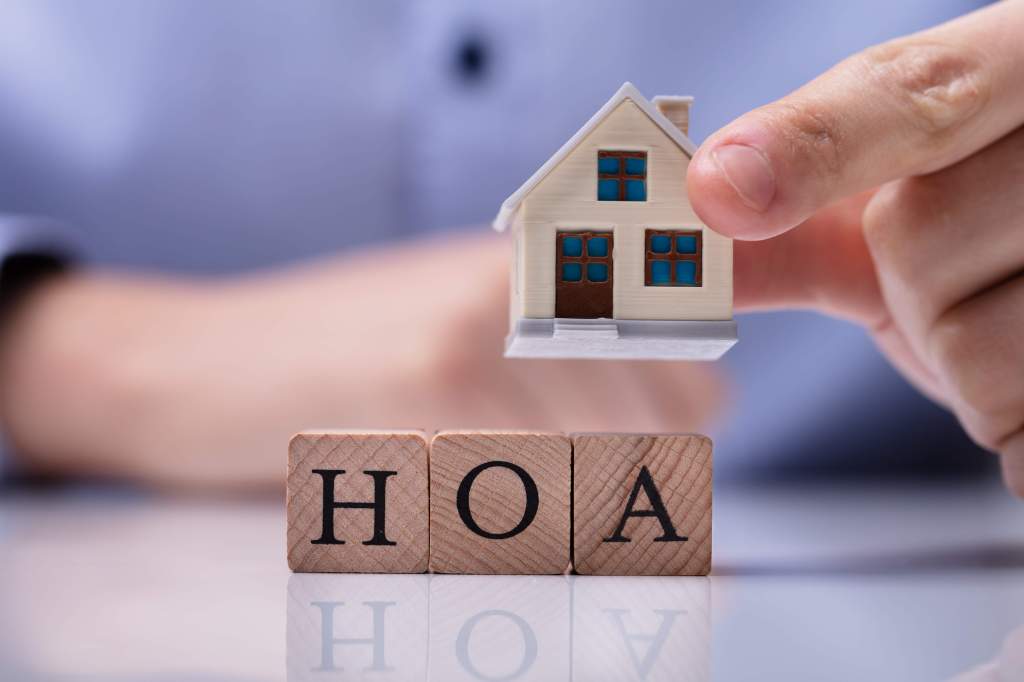
In an effort to address growing dissatisfaction among homeowners, a South Florida legislator is proposing a legislative overhaul that could simplify the dissolution of homeowners’ associations (HOAs). State Rep. Juan Carlos Porras, representing a section of Miami-Dade County, has put forth a bill aiming to ease the process for homeowners seeking to dissolve their governing associations.
Many homeowners in Florida have expressed concerns that the challenges posed by their HOA and condo boards outweigh the advantages, according to Porras. His proposed legislation, HB 657, includes several notable recommendations and is set to be considered in the upcoming legislative session starting January 13.
While some anticipate resistance, the Community Associations Institute, a prominent trade group, is actively reviewing the bill. CEO Dawn Bauman acknowledges the importance of evaluating how these changes might impact community life, stating that most associations are well-managed and that 86% of homeowners rate their experiences positively. “Dissolving an HOA is already possible under current law, so we are carefully evaluating how the bill’s provisions could affect homeowners, community stability and dispute management,” she noted.
Streamlining the HOA Dissolution Process
Currently, dissolving an HOA involves complex procedures such as appointing a trustee, filing a termination plan, and obtaining approval from at least 75% of homeowners. Porras’ bill aims to simplify these requirements. A petition signed by 20% of homeowners could initiate the process, with two-thirds of HOA members needed to approve the termination.
The bill proposes removing mandatory mediation before disputes can proceed to litigation. Instead, it suggests establishing a Community Association Court Program within existing circuit court systems. This program would offer a streamlined process for resolving disputes with qualified arbitrators, funded by reallocating resources from the state’s Department of Business and Professional Regulation.
Future Management of Community Services
If an HOA dissolves, the bill outlines new ways to manage community services like road maintenance and streetlights. Porras suggests that cities or counties could assume these responsibilities through special tax districts, or homeowners might form private clubs to handle such tasks. “It’s obviously up to the homeowners on how they want to be self-governed or even if they want to have these common elements,” Porras explained.
However, the role of local governments in these transitions remains uncertain. Porras anticipates that discussions will be necessary to determine how local authorities will support or manage these changes.
Mixed Reactions from Industry Experts
Opinions about the bill are divided. Eric Appleton, a Tampa-based HOA attorney, warned that dissolving HOAs could lead to instability, describing the potential scenario as “borderline lawless” (WTSP-TV).
Conversely, some experts see potential benefits in the proposed changes. Donald Cleveland, president of MPR-Fintra Inc., supports the idea of replacing mediation with binding arbitration led by local officials. He views the proposed specialized court as a “really good concept” but stresses the need for clarity in jurisdiction over HOA regulations.
Jan Bergemann, leading Cyber Citizens for Justice, advocates for Porras’ bill, particularly for older HOAs lacking amenities. He believes that the bill will aid homeowners whose associations are no longer practical to maintain.