Ensuring Food Assistance Amidst Government Shutdown Concerns
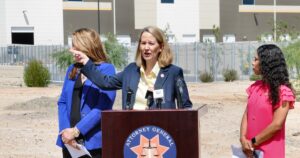
As the federal government shutdown continues, state and local officials are voicing their concerns over the potential halt in Supplemental Nutrition Assistance Program (SNAP) payments next month. The U.S. Department of Agriculture (USDA) has cited insufficient funds as the reason behind this decision, prompting Michigan Attorney General Dana Nessel and other Democratic state attorneys general to take legal action against the USDA.
Nessel emphasized that emergency funds are available for such scenarios, accusing the Trump administration of endangering people’s well-being by not utilizing these resources. The lawsuit reveals that Congress allocated $3 billion in 2024 and another $3 billion this year for SNAP operations during critical times.
Contrary to the USDA’s stance, a plan issued before the shutdown indicated that SNAP operations should continue using multi-year contingency funds. Democratic legislators at both the state and federal levels are urging the USDA to adhere to this directive, emphasizing the importance of ensuring that SNAP beneficiaries receive their benefits.
Representative Kristen McDonald-Rivet highlighted the urgency of the situation, particularly for vulnerable populations such as seniors, individuals with disabilities, and children who heavily rely on SNAP assistance. Local food non-profits and elected leaders, including Lansing Mayor Andy Schor, expressed their apprehension about the potential repercussions if federal and state intervention is not promptly executed.
Despite efforts by local organizations to mitigate the impact of funding shortages, there is a consensus that the federal government’s support through SNAP is irreplaceable. The outcome of the legal proceedings and the resolution of the government shutdown will significantly impact the accessibility of essential food assistance for those in need.