Decoding Governor Gretchen Whitmer’s Political Future
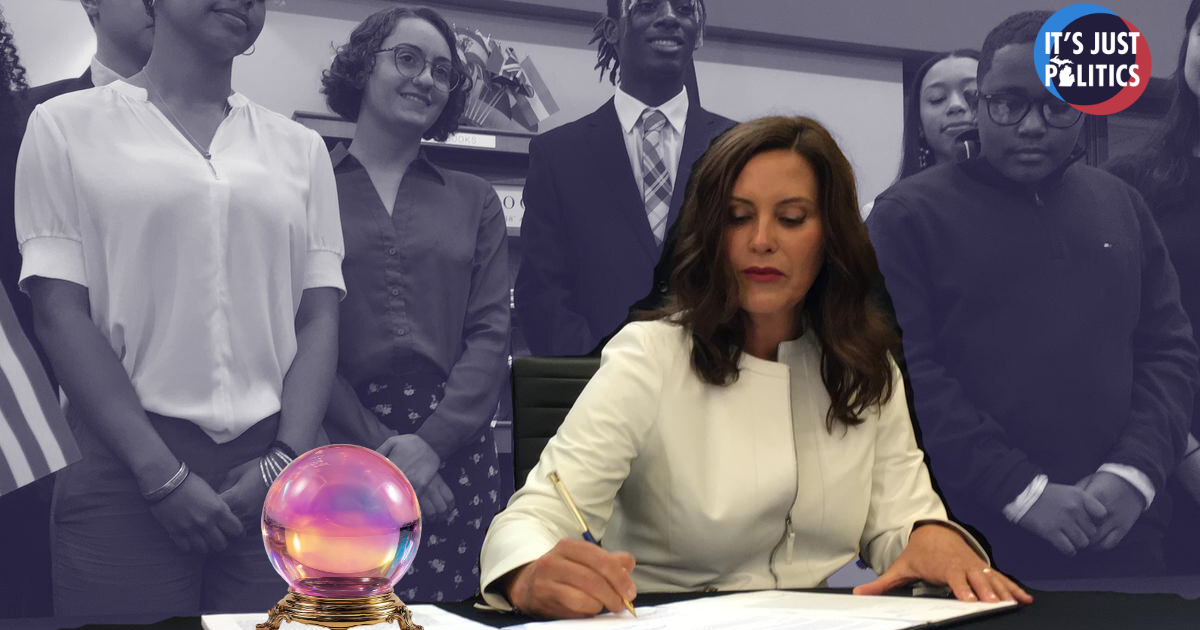
Michigan’s Governor Gretchen Whitmer has been a subject of intense speculation regarding her political ambitions, particularly her potential run for the presidency in 2028. Recently, Whitmer was unanimously selected as the Vice Chair of the Democratic Governors Association, a move that has reignited conversations about her future in national politics.
Despite the attention, Whitmer has been known to downplay her interest in seeking higher office. Various reports have portrayed her as someone who is cautiously navigating the political landscape, neither confirming nor denying her aspirations for the presidency.
One of the key factors influencing Whitmer’s trajectory is her relationship with former President Donald Trump. While some view their interactions as a potential obstacle to her securing the Democratic nomination, others believe it could enhance her appeal to independent voters.
By assuming the role of DGA vice chair, Whitmer gains access to a wider platform, a broader network, and increased fundraising opportunities without being tied down to a specific commitment. This strategic move allows her to stay relevant on the national stage while keeping her options open.
As political analysts observe Whitmer’s every move and statement, the questions surrounding her future plans continue to linger. The ambiguity surrounding her intentions and the ongoing national attention only serve to fuel the speculation about her potential presidential bid in 2028.
What’s Next for Governor Whitmer?
The recent developments in Governor Gretchen Whitmer’s political career have sparked renewed interest in her future aspirations. As she assumes a prominent role within the Democratic Governors Association, the spotlight on Whitmer only grows brighter, prompting discussions about her potential run for the presidency in 2028.
While Whitmer remains guarded about her long-term plans, her strategic positioning and careful navigation of the political landscape indicate that she is keeping her options open. By leveraging her newfound national platform and connections, Whitmer is solidifying her position as a prominent figure in Democratic politics without committing to any specific path.
Observers note that the ongoing speculation and curiosity surrounding Whitmer’s intentions only serve to enhance her mystique and allure in the political arena. Whether she ultimately decides to pursue the presidency or not, Whitmer’s current role as DGA vice chair cements her status as a key player in shaping the future of the Democratic Party.
Michigan House Republicans Cut State Budget
In other news, Michigan House Republicans recently made headlines by utilizing a rarely invoked legislative power to reduce the state budget by $645 million. This move, which did not require approval from the Senate or Governor Whitmer, has sparked controversy and outrage among Democrats.
The cuts, aimed at curbing spending adopted during the Democrats’ previous control of the state Capitol, have raised concerns about the future of key projects and initiatives. House Speaker Matt Hall defended the decision as a necessary measure to impose fiscal restraints on the state’s finances.
As Democrats regroup and consider their next steps in response to the budget cuts, the political landscape in Michigan continues to evolve, setting the stage for further debates and actions in the coming months.
In a recent development in Michigan, a controversial 24% wholesale tax on recreational marijuana is set to take effect on January 1, sparking a legal battle in the state’s court system. The tax, part of a road funding plan approved by the Legislature and Governor Gretchen Whitmer, has faced opposition from the Michigan Cannabis Industry Association, which argues that the tax was not approved by the required supermajority in the Legislature to amend the voter-approved 2018 recreational marijuana initiative.
Michigan Court of Claims Judge Sima Patel upheld the tax, stating that it does not constitute an amendment to the voter-approved initiative. However, this decision is likely to be challenged in both the Michigan Court of Appeals and the Michigan Supreme Court by marijuana businesses seeking to prevent the tax from taking effect. The industry fears that the additional tax burden, on top of existing retail taxes, could lead to businesses facing financial strain.
Meanwhile, another contentious issue has reached the Michigan Supreme Court involving a separation-of-powers dispute between the House and Senate. Legislative Republicans have asked the high court to determine whether bills adopted in the previous session, but not transmitted to the governor before a change in party control, should still be sent for approval. The case revolves around nine bills passed while Democrats held the majority, which were not forwarded to the governor before Republicans assumed control.
The House GOP argues that it is not their responsibility to send these bills for approval, while Senate Democrats maintain that all bills adopted by both chambers must be submitted to the governor. The bills in question cover various topics, including exemptions for public assistance payments from debt collection and placing corrections officers in the same pension system as the Michigan State Police.
The Michigan Supreme Court has the authority to decide on this unprecedented matter, with the potential to set a significant precedent regarding legislative procedures. The outcome of these legal battles will have far-reaching implications for both the cannabis industry and the legislative process in Michigan. Stay tuned for further developments on these intriguing political disputes in the state.