Immigration Policy in the Spotlight Amid Tragic Events and Political Tensions
Recent events in Minneapolis have reignited debate over U.S. immigration policies, with the shooting deaths of two American citizens during deportation operations stirring controversy in Congress. As a potential government shutdown looms, political leaders are grappling with the implications of these tragedies.
The incidents have prompted Democrats to demand changes to the Department of Homeland Security’s operations, advocating for new restraints on immigration enforcement. Former Presidents Barack Obama and Bill Clinton have publicly joined the conversation, emphasizing the need for reform.
Simultaneously, some Republicans are reevaluating their stance on President Trump’s immigration strategies. Calls for a comprehensive investigation into the death of Alex Pretti, a victim of the recent shootings, are gaining traction among GOP members, with demands for congressional hearings on ICE operations.
Sen. Chris Van Hollen, D-Md., expressed the sentiment of many Americans, stating, “Americans are horrified & don’t want their tax dollars funding this brutality. Not another dime to this lawless operation.”
Political Dynamics and Potential Shutdown
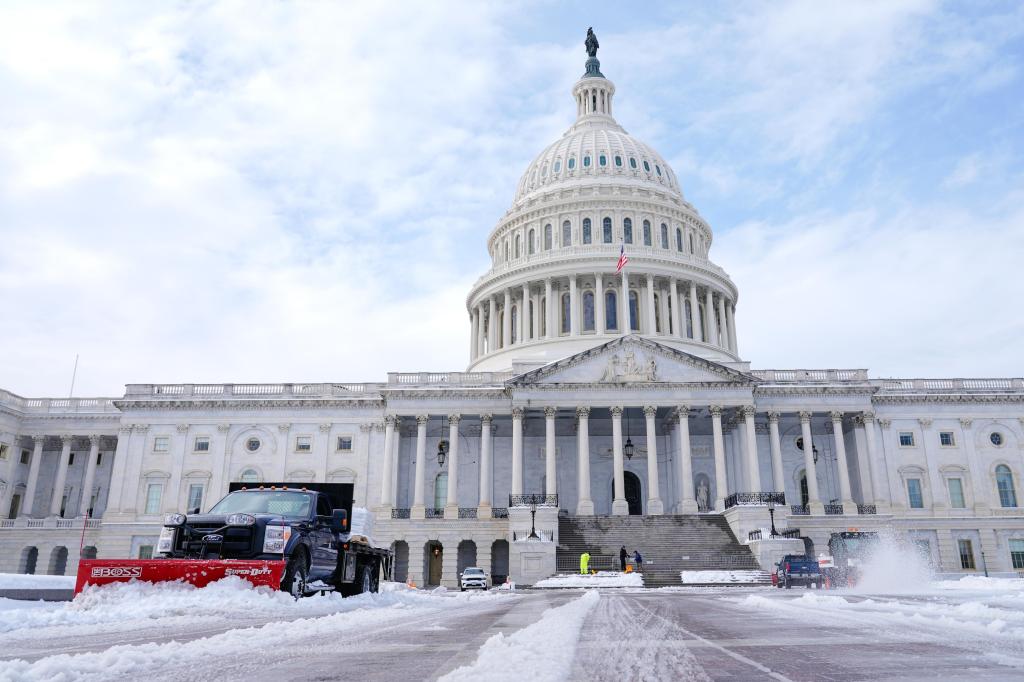
The political landscape is shifting rapidly as Congress faces a deadline to avert a partial federal shutdown. The controversy surrounding the Trump administration’s immigration policies has become a focal point in budget negotiations, with Sen. Susan Collins, GOP chair of the Appropriations Committee, acknowledging the concerns raised by the death of Alex Pretti but urging colleagues to adhere to the funding agreement.
The White House is also adjusting its approach, deploying Trump’s border czar Tom Homan to Minneapolis in hopes of stabilizing the situation. Senate Majority Leader John Thune commented positively on the move, suggesting it could help “restore order in Minnesota.”
Despite these efforts, the debate over immigration enforcement remains heated. The six-bill government funding package at stake includes crucial allocations for Homeland Security, Defense, Health, and other departments, representing over 70% of federal operations.
Shifting Political Attitudes Towards Immigration
The current climate marks a significant departure from previous bipartisan support for immigration measures, such as the Laken Riley Act. This bill, signed into law during Trump’s second term, received backing from both parties. However, recent ICE operations have driven public opinion against Trump’s immigration policies, with only 38% of U.S. adults approving of his approach, according to an AP-NORC poll.
Rep. Tom Suozzi of New York, initially supportive of Homeland Security funding, reversed his position following constituent backlash over ICE’s conduct in Minneapolis. “I hear the anger from my constituents, and I take responsibility for that,” Suozzi stated.
Decisions Ahead as Shutdown Looms
Senate Democratic Leader Chuck Schumer insists that Republicans, who hold the majority, must take action to prevent a government shutdown by separating the contentious homeland security funds from the broader funding package. Yet, the White House and House Speaker Mike Johnson remain resistant to this approach.
The Republican Party also faces internal conflicts, with some members pushing back against the current deportation agenda. GOP Sen. Rand Paul has called for a hearing with acting ICE director Todd Lyons, reflecting a growing demand for accountability.
Nevertheless, many Republicans, such as Sen. Rick Scott, R-Fla., continue to support the administration’s strategies, emphasizing the importance of maintaining DHS funding. Meanwhile, conservative groups like the Heritage Foundation are pressuring lawmakers to uphold stringent immigration enforcement.