Alarming Testimony Reveals Harsh Conditions at Women’s Prison in Michigan
Recently, lawmakers were presented with harrowing testimonies that shed light on the deplorable conditions at the Women’s Huron Valley Correctional Facility in Michigan. Incarcerated women have been subjected to mold growth in their ears, corrections officers making bets on suicide watch outcomes, and inadequate medical care, putting their health and safety at risk.
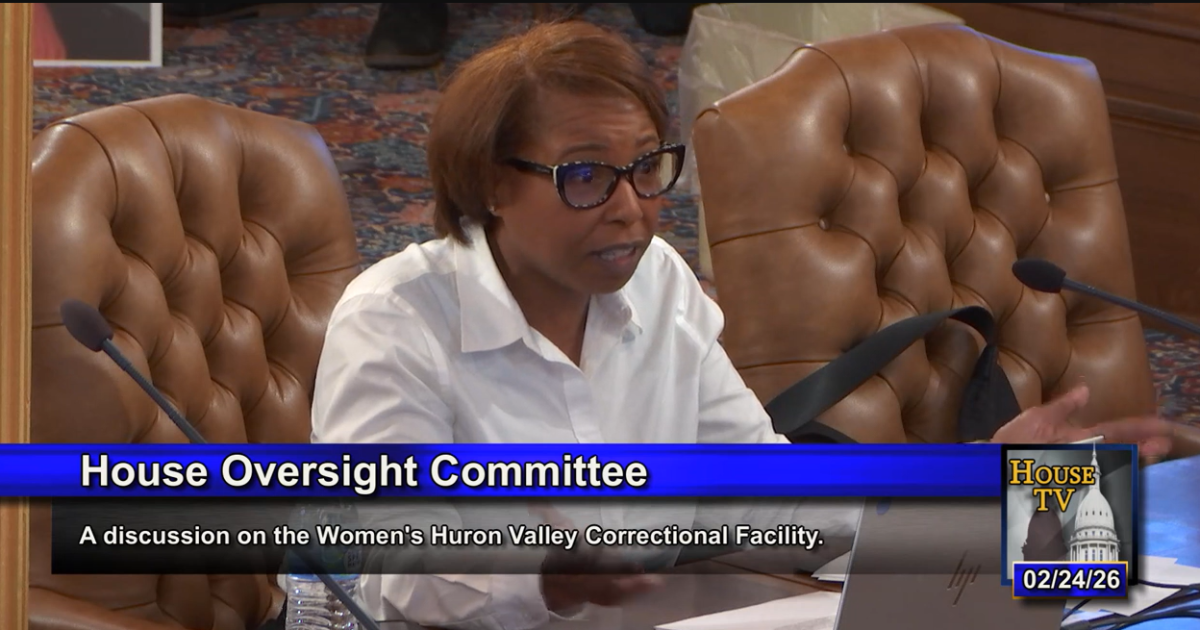
During a hearing at the Michigan House Oversight Committee, Andi Allen, a certified drug and alcohol counselor, emphasized the severity of the situation by stating, “People say that Michigan doesn’t have a death sentence. It does: It’s Women’s Huron Valley.”
Lapses in Medical Care and Tragic Consequences
Representative Laurie Pohutsky (D-Livonia) highlighted the troubling incidents at the facility, including cases where injuries and illnesses were left unaddressed. One tragic example detailed by Pohutsky was the case of an inmate named Jennifer Wallace, who fell ill and eventually passed away from sepsis.
Wallace’s mother, Susan, recounted the heartbreaking moments leading to her daughter’s death, including Jennifer’s deteriorating health and the lack of timely medical intervention. Wallace’s family has since filed a lawsuit, with their attorney, Todd Flood, emphasizing that her death is not an isolated incident but part of a larger pattern of neglect within the facility.
Legal Action and Ongoing Concerns
This summer, a class-action lawsuit related to mold exposure in the Women’s Huron Valley Correctional Facility was allowed to move forward by a judge. One of the plaintiffs, Krystal Clark, has been advocating against black mold in the facility since 2016. Photos presented during the hearing showed the physical toll of the conditions on Clark, with medical records indicating swelling in her face causing it to slacken.
The testimonies and evidence presented underscore the urgent need for reforms and increased oversight to ensure the well-being and safety of incarcerated individuals at the Women’s Huron Valley Correctional Facility.
The conditions at Huron Valley Women’s Correctional Facility in Michigan have come under scrutiny as reports of mold, fungal infections, and other health hazards have surfaced. State Representative Laurie Pohutsky highlighted these concerns during a recent hearing, pointing out instances of fungal infections in the ears of inmates and staff. She also mentioned black spots in the shower area, which prison authorities claimed were not mold but black paint.
Laresha Thornton, a former teacher’s aid at the facility, shared her experience of developing ulcerative colitis due to the poor conditions at the prison. She emphasized the impact of the environment on her health, leading to hospitalization and a diagnosis linked to mold exposure. Despite seeking medical leave, Thornton faced retaliation in the form of transfer and increased surveillance.
The prison system’s legislative ombudsman, Keith Barber, acknowledged the persistent mold issue at Huron Valley, attributing it to trapped moisture and inadequate ventilation. While efforts have been made to address the problem, Barber expressed skepticism about the adequacy of the measures taken.
Lawmakers from both parties voiced concern over the testimony and reports, with Democrat Dylan Wegela highlighting the potential violation of the Eighth Amendment’s protection against cruel and unusual punishment. On the other hand, Republican Josh Schriver questioned the allocation of $2.1 billion to the Department of Corrections in the state budget, emphasizing the need for accountability in addressing the health and safety of incarcerated individuals.
In response to the allegations, the Michigan Department of Corrections reiterated its commitment to the well-being of those under its supervision. Public Information Officer Jenni Riehle emphasized the department’s provision of medical care aligned with community standards, including preventative measures and access to specialized care when necessary. Riehle also pledged transparency by offering lawmakers access to facilities and health records of incarcerated individuals who consent to release.
The testimonies and revelations regarding the conditions at Huron Valley Women’s Correctional Facility have sparked a debate among policymakers about the need for improved oversight and accountability to ensure the health and safety of inmates and staff. As investigations continue, the focus remains on addressing the systemic issues that have jeopardized the well-being of those within the prison facility.