Mackinac Island Ferry Operations Regulation Bill Signed into Law
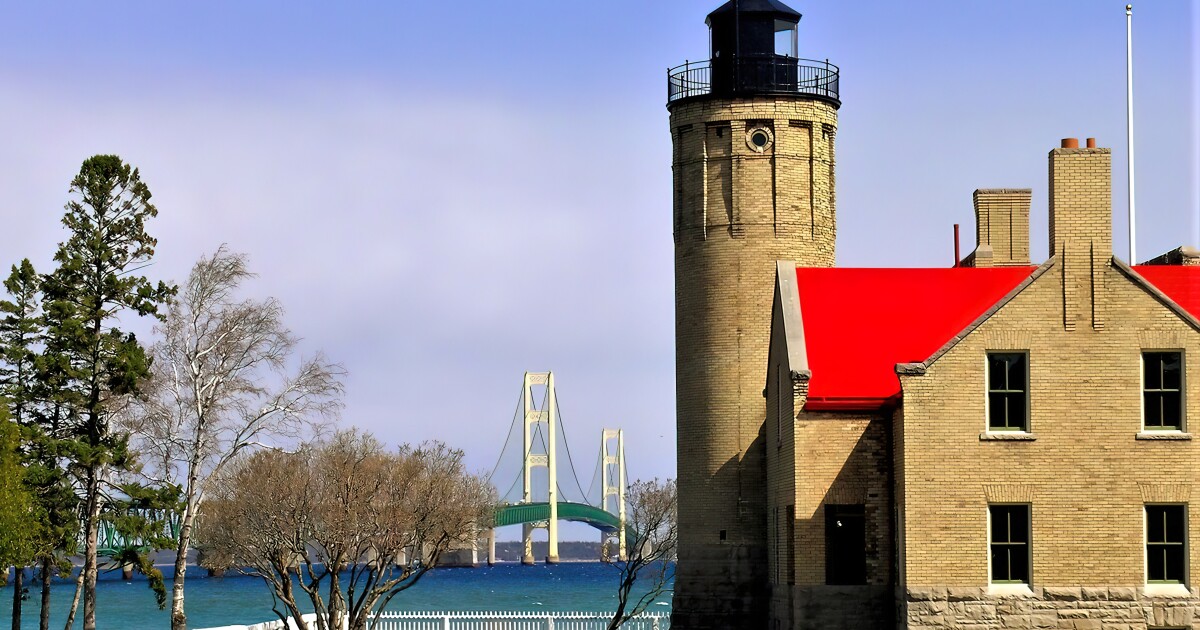
Michigan Governor Gretchen Whitmer signed a bill on Wednesday that would grant Mackinac Island the authority to regulate ferry operations to and from the popular tourist destination. The new law empowers the island to oversee fares, baggage handling fees, and parking rates on ferry routes.
According to Governor Whitmer, “Mackinac Island is Michigan’s gem, and ferry service to get there should be accessible and affordable. Tariffs and the war overseas are already making things more expensive for Michiganders. They shouldn’t have to face additional costs just to enjoy one of our state’s most beautiful places.”
The legislation was prompted by Florida-based Hoffman Marine taking control of the two remaining Mackinac ferry operations, Shepler’s Mackinac Island Ferry and Arnold Transit Company. This move, perceived as a de-facto monopoly, has led to increased fees and surcharges, sparking concerns among tourism organizations and local businesses.
John Sellek, spokesperson for the Fair Access to Mackinac Island Coalition, stressed the importance of protecting consumers in the face of monopolistic practices. He emphasized that regulatory oversight should be in place to ensure fairness and accessibility for all visitors to Mackinac Island.
While Hoffman Marine did not respond to requests for comment, Mackinac Island Mayor Margaret Dowd expressed confidence in the community’s shared values of fairness, accessibility, and preservation of the island’s unique charm.
State Senator John Damoose, one of the bill sponsors, highlighted the necessity of treating Mackinac Island ferries as regulated public services. Given that a significant portion of the island is state land, regulatory oversight is crucial to balancing private ferry operations with public interest.
The next step in the process involves the city proposing a charter amendment for voter approval, signaling a concerted effort to maintain the island’s appeal while ensuring equitable access for residents and tourists alike.